Scalp Exfoliation Routine: Clear Buildup, Boost Healthy Growth
A simple, non-irritating scalp exfoliation routine that clears product buildup, helps with oil and flakes, and supports healthy-looking hair growth. Learn how often to exfoliate, what to use, and how to pair scrubs, chemical exfoliants, clarifying shampoo, and scalp serums in 2026.
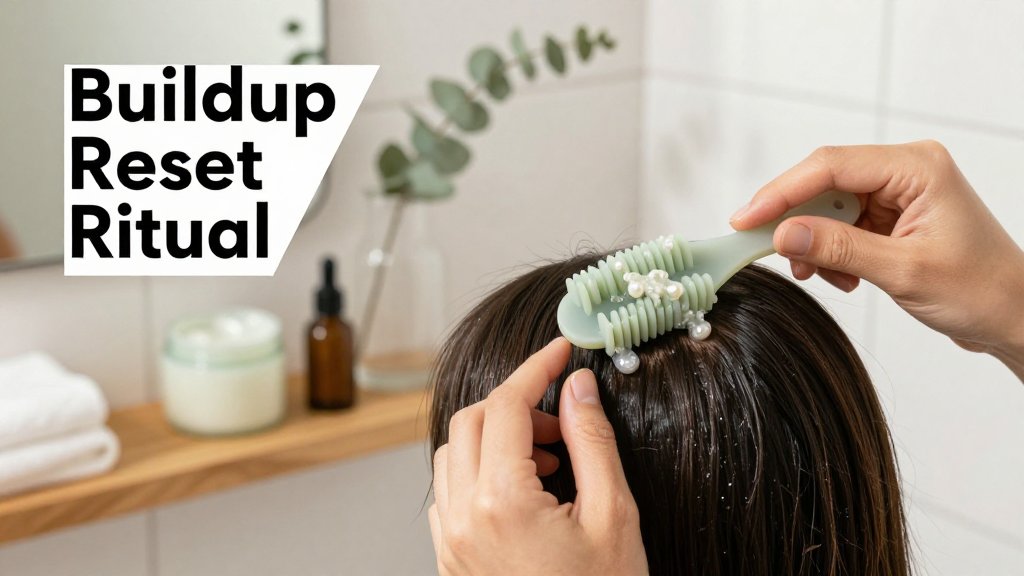
Most “hair growth” routines fail for one simple reason: the scalp is clogged, irritated, or inflamed, so healthy strands never get a fair start. If you are piling on serums and oils without addressing buildup, you may be slowing progress. In this guide, you will learn a simple scalp exfoliation routine that works in real life, including a weekly plan for different hair types. You will also get quick ways to tell dandruff from product buildup, so you can treat the right problem and see steadier results.
Scalp exfoliation basics and buildup red flags
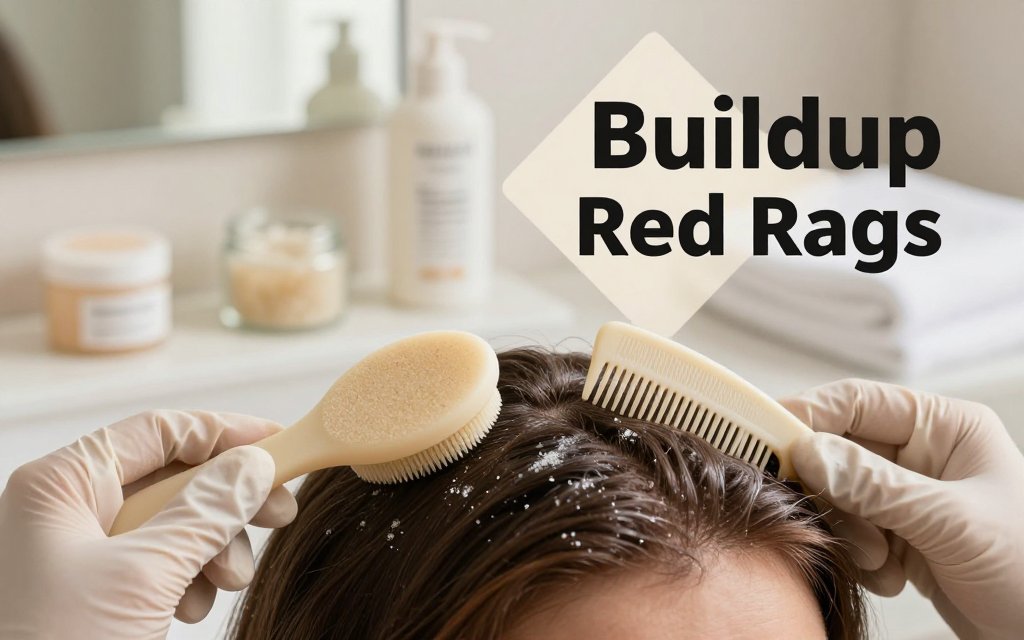
If your roots feel weirdly coated even right after shampoo, scalp exfoliation can be the missing step. In plain language, scalp exfoliation means gently loosening and lifting the stuff that sticks to your scalp over time, so your cleanser can actually rinse it away. Think of it like exfoliating your face, but your “skin” is covered in hair, sweat, and styling products, so residue can hide and hang on. Done correctly, exfoliation helps your scalp feel lighter and your hair look less flat at the crown, especially if you use mousse, gel, hair spray, pomade, or heat protectant most days.
Buildup is not one single thing. It is usually a mix of oil (sebum), shed skin cells, styling polymers (the flexible “hold” film from hair spray and gels), dry shampoo powders (often starches and clays), and hard water minerals that can leave a faint film. Quick “this is probably buildup” signals: your scalp feels waxy or slippery when you scratch lightly with a fingernail, your hair looks dull at the roots, your curls or waves lose bounce, and your fresh color seems to fade faster around the hairline. If you are planning a rich brunette-red moment soon, start with a clean canvas, then explore cherry mocha hair shade matching so the tone you pick looks intentional, not muted by residue.
Now the flip side. “This is probably dandruff or irritation” usually looks and feels different: flakes that keep coming back even after you clarify, a tight or hot sensation, and itching that is more about inflammation than “I feel greasy.” Another clue is where it shows up. Irritation often concentrates along the part, hairline, or behind the ears, and it can flare after a new fragrance, essential oil, hair dye, or strong cleansing routine. Buildup tends to feel like a layer you can remove, while irritation feels like your scalp is protesting. The goal is not to scrub harder, it is to choose the right tool so you do not turn a manageable issue into a tender scalp.
If your scalp is itchy and flaky, do one gentle reset at a time. Pick either a mild chemical exfoliant or a soft scrub, then follow with a simple shampoo. If it stings, stop and simplify.
How to tell dandruff vs buildup fast
Try this 60-second self-check before you buy a new scrub. Look at the flakes on your fingertips or on a dark shirt: buildup flakes often look off-white and feel waxy or damp, like little rolled bits. Dandruff tends to look finer and more powdery, and it can dust off your scalp and onto your shoulders. Next, pay attention to the itch pattern. Buildup itch is often “I feel dirty at the roots,” while dandruff or dermatitis itch can feel prickly, persistent, and worse along your part. Finally, check the post-wash feel: if your hair still feels coated at the crown right after shampoo, that points to residue.
One more test: does a single clarifying wash make a big difference for 24 to 48 hours? If yes, residue is likely part of the problem. If no, and you see redness, burning, oozing, or thick stuck-on plaques, skip exfoliation and consider professional help. Those signs can point to conditions that need targeted treatment, not more friction. The Mayo Clinic seborrheic dermatitis overview is a helpful reference for common symptoms and treatment approaches. Your scalp should feel calm after care, not raw or “sandpapered.”
Scalp scrub vs scalp exfoliant, what to pick
A scalp scrub is physical exfoliation. It uses tiny particles to lift debris mechanically, like sugar, salt, or rounded beads in a creamy base. Scrubs can be satisfying if you have heavy dry shampoo use or lots of styling paste at the hairline, but pressure matters more than the product. Use the pads of your fingers, not nails, and think “light shampoo massage” for 30 to 60 seconds. If you have eczema, psoriasis, frequent scalp pimples, a recently irritated scalp, or you are freshly post-color and tender around the hairline, aggressive scrubbing is a no. A silicone scalp massager can be gentler than gritty particles for some people.
A scalp exfoliant is usually chemical exfoliation. Ingredients like salicylic acid (oil-soluble), glycolic acid, or lactic acid help loosen the bonds between dead skin cells and break up oil in and around follicles, so buildup lifts without as much rubbing. This can be a great option for oily scalps, tight protective styles that limit frequent shampooing, or anyone whose roots feel “stuck” even after cleansing. The most common mistake is doubling up, using a gritty scrub and an acid exfoliant on the same day, especially when you are already itchy. If your scalp is sensitive, alternate weeks, start once weekly, and keep the rest of your routine simple and fragrance-light for a few washes.
How to exfoliate scalp safely, step by step
Think of scalp exfoliation like resetting your roots so your shampoo can actually do its job. The safest approach is gentle, targeted, and consistent, not aggressive. Start by picking one exfoliation style: a pre-wash chemical exfoliant (often salicylic acid or mild AHAs) if you deal with oil, stubborn flakes, or heavy styling products, or a very fine scrub made for the scalp if you love that “clean” feeling. Skip exfoliating if you have open sores, active sunburn on your scalp, or a flare that is painful to touch. If you are unsure whether your flakes are buildup or a condition like seborrheic dermatitis, treat exfoliation as supportive care, not a cure, and keep it mild.
The 10-minute weekly routine that clears buildup
Most scalps do best with exfoliation 1 time per week, then you adjust based on how your scalp feels by day 2 or day 3 after washing. The order matters. Detangle first (dry hair is fine) so you do not rip at your roots later. Next, apply your exfoliant to the scalp only, using parts like you are applying a root touch-up. For a chemical exfoliant, give it 3 to 5 minutes of contact time before you add lots of water. Then massage with the pads of your fingers for 30 to 90 seconds and keep it light. “More” backfires because over-scrubbing can leave your scalp irritated, which often triggers more oil production and makes flakes look worse, not better.
In the shower, keep water comfortably lukewarm. Hot water feels amazing but can dry out both scalp and lengths, which is one reason post-exfoliation hair can feel rough. Dermatology guidance like DermNet shampoo guidance specifically notes that hot water can be drying, and that stronger clarifying shampoos should not be overused. After you rinse the exfoliant, shampoo your scalp (not your ends) and take another 30 to 60 seconds to really lift residue from the hairline, crown, and behind the ears. Then squeeze out excess water and condition only mid-lengths to ends. If your hair is fine, keep conditioner off the first 2 inches near the scalp so your roots do not collapse.
Right after exfoliating is when people accidentally create rebound oil or dry, crunchy ends. Your goal is balanced: clean scalp, cushioned lengths. Rinse thoroughly, then do not “double cleanse” with harsh shampoo unless you truly used heavy product that day. If you style with dry shampoo, wax sticks, or strong hairspray, you can use a gentle second lather just at the roots. After conditioning, consider a quick cool rinse for shine, then towel blot (do not rub) and add a lightweight leave-in only on the ends. For wedding hair like a sleek low bun, or for a glossy blowout that shows off face-framing layers, this is the step that keeps the lengths polished instead of frizzy.
If your scalp feels tight, looks red, or suddenly flakes more after exfoliating, pause for two weeks. Switch to a gentle shampoo and focus conditioner on ends only, then restart with less pressure and time.
Frequency guide for oily scalp, dry ends, and color-treated hair
Adjust frequency with an “if this, then that” mindset. If your scalp is oily and gets flat within 24 hours, you can usually handle exfoliation 1 to 2 times weekly, as long as you keep pressure gentle and conditioner off the roots. If you have dry ends or a curly or coily texture that needs moisture, aim for 1 time every 10 to 14 days so you do not rough up the cuticle or disrupt your curl pattern. If your scalp is reactive (stings with products, gets red easily, or you are new to actives), start every 2 to 3 weeks, and keep the massage closer to 30 seconds. A good sign you are on the right schedule is that your scalp feels calm after drying, not squeaky or tight.
Clarifying shampoo is a separate tool from exfoliation, and most people do not need it weekly. A simple baseline is every 2 to 4 weeks, then adjust up only if you use lots of styling products, live with hard water, swim often, or rely on dry shampoo between washes. Popular examples include chelating or “detox” style cleansers (often marketed for mineral buildup) and deeper clarifiers that remove silicones and oils. Use them like this: saturate hair, emulsify in your palms, apply to scalp first, massage gently for about 60 seconds, then rinse well and follow with a conditioning mask on mid-lengths to ends. If your hair feels straw-like afterward, you clarified too often or left it on too long.
For color-treated hair, the trick is to keep your “deep clean” focused at the scalp so your ends stay glossy. Choose color-safe clarifiers when possible, keep chemical exfoliants on the scalp only (do not drag them through highlighted lengths), and protect fragile ends with a richer conditioner or mask after. If you are planning a change, like copper balayage, a cool espresso gloss, or going lighter for a bright blonde moment, a calm, buildup-free scalp helps your roots look fresher and your part line cleaner. It also makes it easier to judge what shades flatter you when you are previewing options in Fravyn, because your hairline and roots look more true-to-life in the photo. If your color fades easily, schedule clarifying for weeks you are not refreshing toner.
Build a scalp care routine for healthy growth
A good scalp routine is not about chasing a miracle, it is about removing the stuff that gets in the way of your healthiest hair. If you style often (dry shampoo, root spray, gel, edge control, hair fibers, hairspray for an updo), it is easy for product, oil, and sweat to mix with dead skin and create a film at the root. Exfoliation is the reset button: it helps clear that congestion so your scalp feels comfortable and your hair looks more lifted at the part line. Think of it like making sure your “soil” is breathable, especially if you are trying new looks like a slicked bun, curtain bangs, or a sharp bob that shows your scalp line more clearly.
Here is what scalp exfoliation can realistically do for hair growth scalp health: reduce visible buildup, calm itch from residue, help flakes lift, and create a cleaner base so leave-in treatments sit on skin instead of on grime. That last part matters if you use scalp serums, minoxidil, or soothing tonics, because they are more likely to contact the scalp evenly. Here is what it cannot do: it cannot override genetics, hormonal shifts, or medical hair loss patterns. If you are noticing widening parts, sudden shedding, or patchy loss, it helps to know that common causes include genetics and hormonal changes, as outlined in this hair loss causes overview. In those cases, scalp care is supportive, not curative.
If your scalp feels tight, stingy, or looks shiny red after exfoliating, treat that like a stop sign. Pause actives for 48 hours, use a gentle shampoo, and focus on barrier-friendly hydration before you exfoliate again.
Scalp serum routine after exfoliation, what actually helps
Go with a calm-down approach right after you exfoliate. After you shampoo and condition, towel-dry until hair is damp, then apply a lightweight, leave-in scalp serum along your part lines (center part, then two diagonal parts over the temples). Use small amounts, like 3 to 6 drops total, and massage for 20 to 30 seconds with your fingertips, not nails. Ingredients that tend to play nicely with most routines include niacinamide (helps support oil balance), panthenol (hydration and softness), peptides (often marketed for the feel of density), and zinc PCA (oil control). The common mistake is piling on heavy oils at the scalp, like castor or coconut, when you are already buildup-prone, because they can trap debris and make you feel greasy faster.
To keep results longer than one wash day, pair exfoliation with styling habits that reduce residue at the root. Aim your conditioners, masks, and leave-ins from mid-lengths to ends, then use a pea-size of a light cream for curls instead of layering butter plus gel plus oil at the scalp. If you love dry shampoo, treat it like makeup, not skincare: spray only at the roots, wait 30 seconds, then brush it out, and do not stack it for three days straight. Brides and event stylers can plan a “reset wash” after heavy hairspray, teasing powder, or pomade-based slick buns, because those formulas cling to the scalp line and can make the next style sit flatter.
How often should you exfoliate your scalp and use clarifying shampoo?
Most people do best with scalp exfoliation 1 time per week if they have an oily scalp, use dry shampoo, or sweat often. If your scalp is dry, curly, coily, color-treated, or easily irritated, start at once every 2 to 4 weeks. Clarifying shampoo is similar: every 2 to 4 weeks for most, up to weekly if you use heavy stylers or have hard water. Do not stack strong “actives” on the same day (for example, a gritty scrub plus a leave-on acid toner). If you get burning, persistent flakes, or sores, pause exfoliation and consider a dermatologist visit.
Can scalp exfoliation help hair growth, or is that a myth?
It can help the conditions that support healthy growth, but it does not “force” new hair. Exfoliation clears excess oil, product film, and dead skin that can clog follicles and make your scalp itchy or tender. When the scalp is comfortable, you are less likely to scratch, and your hair tends to look fuller at the root because it is not weighed down. It can also help topical treatments spread more evenly after cleansing. If you suspect genetic or hormonal hair loss, exfoliation will not reverse it, but it can be a helpful companion habit alongside proven treatments recommended by a clinician.
What should you do if your scalp is oily but your ends are dry?
Split your routine by zone. Cleanse the scalp thoroughly, even double-shampooing if needed, and keep conditioner only on mid-lengths and ends. If your ends feel crispy, add a pre-shampoo step just on the ends (a light conditioner or bond-building mask for 5 to 10 minutes), then shampoo your scalp as usual. After towel-drying, use a scalp serum (lightweight, water-based) on part lines, and a separate leave-in conditioner on the ends. Skip rubbing oils into the scalp to “balance” it, that often backfires for buildup-prone hair. If oiliness is sudden or extreme, consider checking for dandruff or seborrheic dermatitis.
Ready to see how a new hairstyle looks on you after you refresh your scalp routine? Try Fravyn to preview 50+ styles on your own photo in seconds, so you can explore cuts, colors, and protective looks with confidence. Download the app and start experimenting today on iOS. Pick a style, tap to try it on, and save your favorites for your next appointment.
Try a New Hairstyle Today
Preview 50+ hairstyles and 29+ colors on your own photo with Fravyn.