Italian Bob vs Box Bob, Pick By Features
Italian bob or box bob haircut? Here is the feature-by-feature decision guide for face shape, hair density, and length goals, plus what to ask your stylist for and how to preview both with a virtual hairstyle try on.
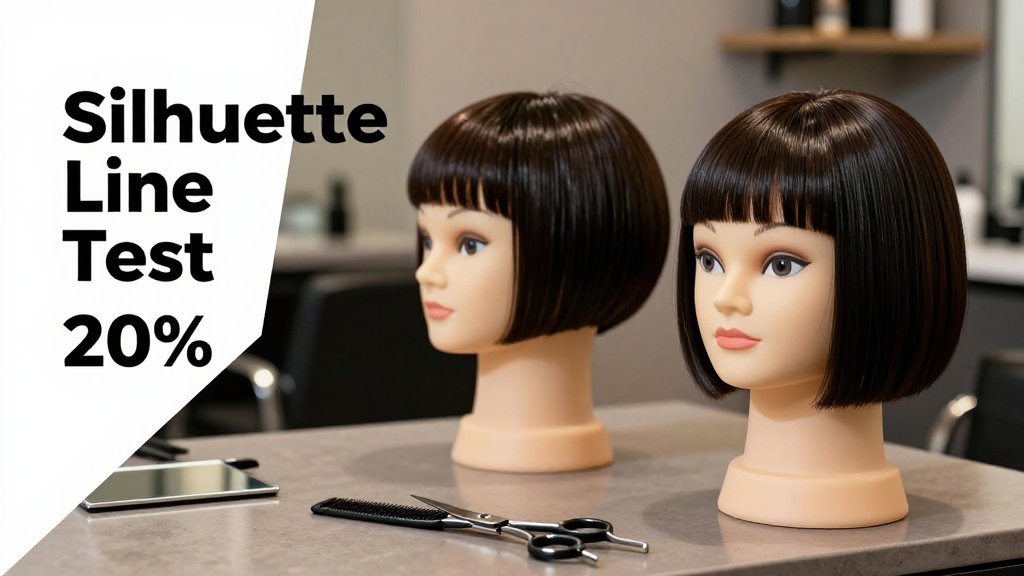
Picking between an Italian bob and a box bob is not just about what is trending. It is about what features you want to highlight, like your jawline, neck length, and natural hair density, plus how much styling time you realistically have. In this guide, you will learn what each cut is designed to do, who it tends to flatter most, and how to describe the shape, length, and finish at the salon. You will also get clear wording to avoid a surprise haircut.
Italian bob vs box bob: what looks different
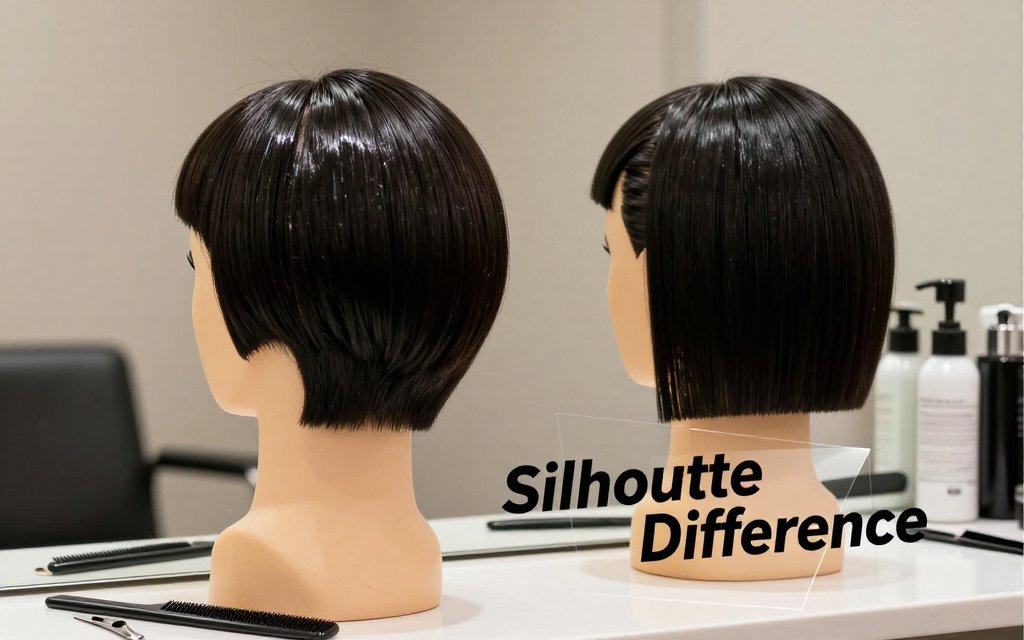
If you want your bob to look expensive and touchable, choose the Italian bob. If you want your bob to look sharp, graphic, and intentionally shaped, choose the box bob. In plain language, an Italian bob is a slightly longer bob with a soft curve and a polished finish, while a box bob is a more geometric bob with a blunt outline that looks almost “drawn on” around the face. Most people notice the difference in the first two seconds: the silhouette (rounded vs squared), the weight line (softly melted vs very defined), the texture (airy movement vs controlled smoothness), and the ends (beveled and tuckable vs blunt and straight).
Here is the mirror test I use to describe it. With an Italian bob, the bulk of the hair tends to hug the head and then gently “roll” inward at the bottom, so the shape feels like a curve that frames your cheeks and neck. With a box bob, the shape is more like a clean rectangle or trapezoid, with a perimeter that reads crisp from the front, especially when paired with a middle part. Trend-wise, this also fits the bigger 2026 vibe of bobs shifting softer and shorter, as noted in Marie Claire’s shorter, softer bob trends, but the Italian vs box choice is still mostly about what line you want your haircut to draw on your face.
Stand in front of the mirror and watch where the haircut makes a line: Italian bobs draw a smooth curve under the cheekbone; box bobs draw a straight edge at the jaw. Pick the line you want to spotlight.
Italian bob: softer curve, heavier shine line
An Italian bob usually lives in that flattering “not too short, not too long” zone, around chin to collarbone length. It is the bob that reads luxurious because the outline is smooth and rounded, and the weight line (the place where the cut looks visually fullest) feels intentionally placed, not choppy. Stylists often keep layering subtle, sometimes just enough internal layering to prevent the bottom from flipping out while still letting the hair look full. The ends are typically softened, either slightly beveled inward with a blowout or left plush and blunt-but-polished so they can tuck behind the ear without looking jagged.
This is also why Italian bobs photograph so well for weddings, engagement shoots, and any event where you will be under bright lights. That rounded shape catches shine in one continuous “gloss ribbon” from root to ends, which looks amazing in pictures (especially if you do a smooth bend with a large round brush, or a quick pass with a flat iron just at the ends). Color pairings that really flatter this cut include rich brunette shades like espresso, chocolate, or chestnut, plus glossy highlights that are fine and blended, not stripey. If you are planning timing around a big date, the maintenance is mostly about keeping the perimeter healthy, and this haircut timing by texture approach helps you decide whether a micro-trim or a full reshape makes more sense for your hair type.
Box bob haircut: crisp outline, squared-off structure
A box bob is the friend who shows up in a tailored blazer and perfect shoes. The outline is the whole point: a blunt perimeter with a deliberate, squared-off structure that keeps its shape even when you move. Visually, the front corners often feel stronger, which can emphasize the jaw and make cheekbones look more defined. Because the perimeter is blunt, it can also make hair appear thicker, especially on fine to medium hair that tends to look see-through at the ends in layered cuts. If you love a clean look, this bob gives you that “fresh cut” feeling for weeks.
Styling-wise, the classic box bob vibe is sleek with a middle part and a straighter finish, but you can still add personality without wrecking the shape. Think: a heat-protected blow-dry with the ends kept straight (not curled under too much), then a pea-sized smoothing cream just on the surface for shine. If you want texture, go piecey and controlled, like lightly separating the ends with a wax or pomade so you still see the strong line. On wavy, curly, or coily hair, a box bob can absolutely work, but you will want to talk with your stylist about how shrinkage changes the apparent “corners” at the front and how to keep the outline crisp without creating a triangle shape.
French bob vs Italian bob: quick sanity check
People mix up the French bob and Italian bob all the time, so here is the simplest way to separate them. A French bob is typically shorter and more playful, often sitting around jaw length and frequently paired with bangs, like a full fringe or soft brow-grazing bangs. It is meant to look a little undone, like you let your natural texture do its thing. The Italian bob, in contrast, usually has a bit more length (chin to collarbone) and a more polished, rounded finish that looks glossy and “styled,” even when it is low-effort. If your inspiration photos show a shorter bob with a fringe and a deliberately airy, tousled vibe, you are probably pointing at a French bob. If the photos look smooth, plush, and quietly glamorous, you are likely in Italian bob territory.
Pick the best bob for your face shape
The fastest way to choose between an Italian bob and a box bob is to stop thinking in “cute vs cool” and start thinking in features you can actually point to in the mirror: where your face is widest (cheeks, jaw, or forehead), how sharp your jaw corners are, whether your face reads longer than it is wide, and how much neck you want to show. Those details tell you where a blunt line will look snatched and where it will feel harsh. The most common mistake I see is picking a trendy reference photo where the model’s face shape, hairline, or even neck length is totally different. A deep hairline, a high forehead, or a strong widow’s peak can change how a center part and chin-length line read on you, even if the cut is technically the same.
Here’s the core idea: a box bob is all about a clean, squared-off perimeter, so it puts a bright spotlight on whatever level the ends land. An Italian bob is usually a touch softer through the shape and movement, so it can “blur” strong angles and create a gentle contour effect. If you like the stylist’s-eye details behind that effortless finish, Sam Villa’s Italian bob haircut breakdown is a helpful reference for what makes the trend feel polished, not heavy. Use that softness strategically: you are basically choosing how crisp you want the outline around your jaw and neck to be. (samvilla.com)
Do a two-minute check before you book: pull your hair back, trace your cheek and jaw width in the mirror, then “pin” your ends at chin and below-chin. Pick the line that makes your eyes pop first.
Best bob for face shape: round face and square jaw
For a round face, you usually want a bob that creates a longer visual line down the sides of the face. That is why an Italian bob that sits just below the chin (or is slightly longer in the front) tends to be the easy win: it stretches the eye downward, especially with a side part or a soft bend that tucks inward near the jaw. A chin-level box bob can be adorable, but it can also widen the face if the ends hit right at the fullest part of your cheek. If your cheeks are your widest point, ask for the front to graze below the chin by about one finger width, then keep the back a touch shorter so it still feels bobby, not like a grown-out lob. (marieclaire.co.uk)
For a square jaw, decide what mood you want. If you want the jaw to look softer and less emphasized, an Italian bob with a gentle bend, light internal layering, and face-framing pieces around the corners of the jaw can reduce the “right angle” effect without hiding your structure. If you want the strong, editorial jawline moment, a box bob can look incredible, especially when the perimeter is super clean and the ends are very blunt. Think Lily Collins vibes with a sleek finish, or a sharp espresso-gloss bob paired with bold brows and a matte lip. Just know that a box bob makes precision visible, so you will want a stylist who is meticulous with the baseline. (elle.com)
Bob length guide: jawline vs neck length
Where the ends land changes everything, and it matters just as much as face shape. Three anchor lengths cover most real-life bob decisions: jaw-length (hits at jaw or chin), just below jaw (clears the chin and often skims upper neck), and collarbone-adjacent (a bob that is flirting with lob territory). Jaw-length gives the biggest “I cut my hair” impact, but it also magnifies width at that exact level. Just below jaw is the most forgiving for round faces and fuller cheeks because it avoids slicing across the widest part of the face. Collarbone-adjacent is the easiest if you wear ponytails a lot or want a bridal look with soft pinned waves.
Now add neck length. If you have a shorter neck (or simply feel like necklaces sit high and your collars already look “busy”), a thick, one-length box bob at chin level can feel crowded, like hair is stacking on top of your shoulders. In that case, a slightly longer Italian bob creates breathing room because the line drops past the tightest part of the neck and the shape moves instead of forming a solid block. If you have a long neck and you want to show it off, a chin box bob is a statement, especially with a crisp middle part and sleek blowout. Bangs can help balance a longer face, but test them virtually first so you do not commit to fringe that fights your hairline swirl.
If you are still torn, try a quick “photo logic” test before you screenshot inspiration: match the model’s face width point (cheek vs jaw), match the hairline height (low, average, high), then match the neck length (short, average, long). If those three are different, the same bob will land differently, even with the same stylist. This is exactly where a virtual try-on saves you: in Fravyn, you can preview an Italian bob that drops below the chin versus a chin box bob on your own photo, then toggle hair colors like soft black, warm chocolate, copper, or bronde to see how contrast changes your jaw and cheek definition. Bring the closest match to your appointment and ask your stylist to adjust the baseline to your jaw and neck, not to the trend photo.
Choose by hair type, then preview it
Hair type decisions get easier when you separate three things: strand thickness (fine vs coarse), density (how much hair you have), and texture (straight, wavy, curly, coily). A bob that looks effortless on dense, straight hair can feel like daily work on fine, low-density hair. Before you pick Italian bob or box bob, be honest about your styling tolerance: Are you a blow-dry person, a diffuser person, or a true wash-and-go person? That one answer often matters more than trend photos, especially if you are planning an event look like engagement photos or a wedding and need the cut to behave on a schedule.
Thin, fine, thick hair: which bob behaves better
Thin hair usually wants one thing: a strong, blunt baseline that makes the ends look fuller. That is where a box bob often wins, because the squared shape and clean perimeter can create the illusion of more hair, even before styling. Beauty editors have specifically called out the box bob for thin hair for adding thickness and body, and that matches what most stylists see in the chair. Fine hair needs a warning label though: too much internal layering can make it look wispy, especially around the front corners and underneath near the nape.
Thick hair, especially thick hair that also has width (coarse strands), can turn a blunt box bob into a “helmet” if the perimeter is heavy and the interior is not managed. An Italian bob tends to behave better here because it can keep the outline chic while removing bulk with subtle internal layers and a little movement, so it does not puff into a triangle. The counterintuitive tip: the blunter cut often looks thicker in photos, but it can feel heavier day to day, which means it may demand more heat styling or more product. If you hate styling, a slightly softer Italian bob can be the lower-effort choice, even if it is not the most blunt option.
Curly, wavy, and coily hair can wear either bob beautifully, but the approach changes. If your curls shrink a lot, a jaw-length box bob can jump up shorter than expected, especially at the back. Many curl specialists prefer to build a bob with controlled internal shape, so the silhouette stays balanced when dry. If you want a boxy outline, ask for a strong perimeter but a curl-by-curl approach through the interior, so the ends look full without a bulky triangle. If you prefer an Italian bob vibe, ask for movement focused on the surface layers and around the cheekbones, not aggressive thinning in the middle.
In the salon, clear wording prevents most bob regrets. Bring two photos: one “shape photo” (front view) and one “behavior photo” (side view that shows how it moves). Then say a sentence like: “I want a blunt perimeter for density, but minimal internal layers because my hair goes wispy,” or, “I need bulk removed inside so it sits close to my head and does not triangle out.” If you are deciding between Italian and box bob, ask your stylist to confirm where the weight line will sit (jaw, below jaw, collarbone) and whether they will point cut, slide cut, or use texturizing shears. Those details change how the bob grows out and how often you need trims.
Previewing the cut on your own face is the easiest way to avoid the “cute on TikTok, not on me” moment. In Fravyn, upload a bright, front-facing photo (hair tucked behind ears helps), then try both bobs at two lengths before you commit: a true jawline bob and a below-jaw bob that hits about 1 to 2 inches longer. Save screenshots of both with your usual part (middle or deep side). If you are also changing color, test one natural shade and one bold option from Fravyn’s 29+ hair colors so you can see how blunt ends make color look more graphic. Fravyn’s face shape analysis and personalized recommendations help narrow what will feel balanced, especially for bridal looks where you want the cut to photograph well from every angle.
FAQ: salon wording and virtual try-on shortcuts
How do I ask my stylist for an Italian bob without getting a French bob?
Say this: “I want an Italian bob, slightly longer, with soft movement and a fuller shape, not a cropped French bob and not a micro fringe.” Show photos where the length sits at the jaw or just below, with ends that look polished and a bit rounded, not choppy. Also show one side-profile photo that proves you want a gentle bevel at the ends. Fravyn shortcut: try Italian bob at jawline, then repeat at below-jaw length, and compare which one gives you cheekbone definition without making the cut feel too short from the side.
What is the safest bob haircut for a round face if I hate styling?
Ask for a collarbone or below-jaw bob that stays off the widest part of the cheeks. Try: “Keep it one length or very lightly layered, with face-framing pieces that start below my cheekbone. I want it to air-dry nicely.” Show photos with a relaxed bend, not a sharp flip that requires a hot tool. If you want extra safety, request a slightly longer front (a soft A-line) without stacking in the back. Fravyn shortcut: test a below-jaw length with a center part and a side part, because parting can change how round or elongated your face reads in photos.
Can I make a box bob work with thick hair or will it look bulky?
You can absolutely wear a box bob with thick hair, you just need the right interior strategy. Tell your stylist: “I want the boxy outline, but I need internal debulking so it sits close to my head. Please keep the perimeter strong and remove weight inside, not by thinning the ends.” Show photos from the back and the side, because bulk shows up there first. If your hair puffs out, ask for a slightly longer length so the shape has room to drop. Fravyn shortcut: try a box bob at jaw length and at a longer, below-jaw version, then pick the one that still looks square without looking wide.
Ready to see how a new hairstyle looks on you? Try Fravyn and preview 50+ styles on your own photo in seconds, including sleek Italian bobs and crisp box bobs. You can compare lengths, volume, and face-framing options before you commit. Download the app here: iOS. Upload a photo, test a few variations, then walk into your appointment with confidence.
Try a New Hairstyle Today
Preview 50+ hairstyles and 29+ colors on your own photo with Fravyn.