Hairstyles That Work With Glasses, Face Shape Match
Glasses change the “frame” of your face, so your haircut needs to balance them, not fight them. Here are practical, face shape based haircuts for women and men that work with glasses, plus an easy way to preview styles and colors before you commit.
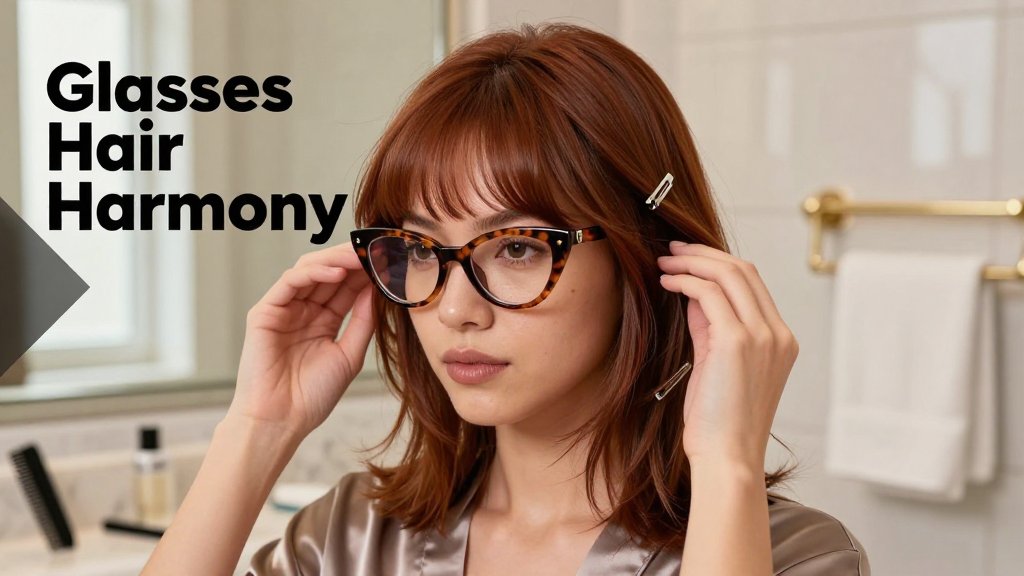
Glasses do more than correct your vision, they change how your whole face reads. Frames can sharpen your cheekbones, widen the look of your temples, and pull focus straight to your eyes, which means the wrong haircut can feel slightly off even if you love your lenses. In this guide, you will learn how to match hairstyles to both your face shape and your frames. Expect practical picks for women and men, plus clear rules for bangs, layers, and color that make everything look intentional.
How to choose a hairstyle with glasses
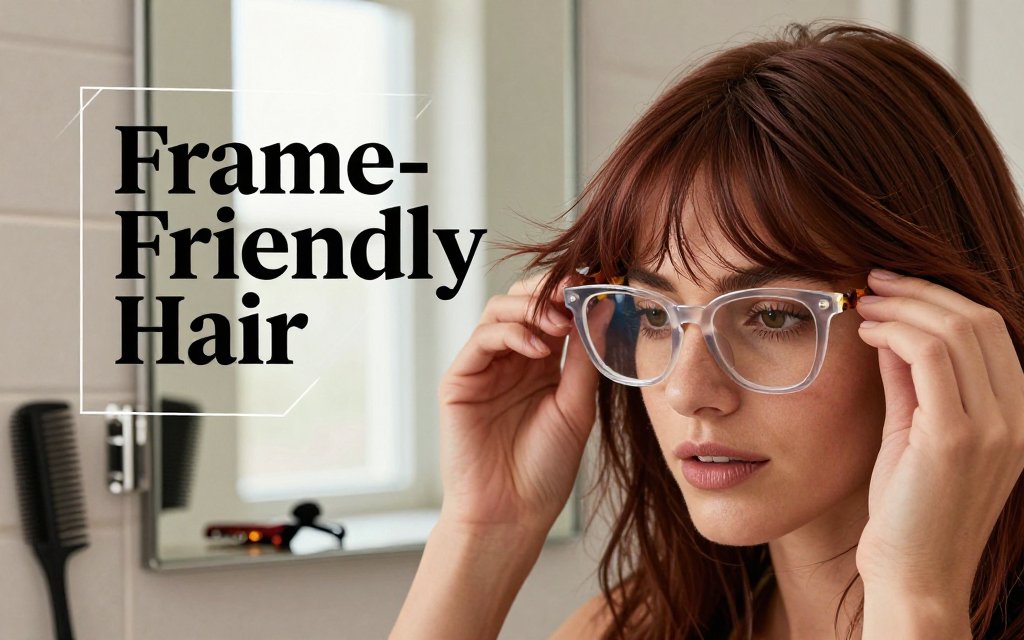
Glasses are not just an accessory, they are part of your face geometry. The easiest rule set to follow is this: your frames create visual lines (across the brow, down the sides at the temples, and sometimes along the cheek), so your haircut should either soften those lines with movement (layers, texture, bend) or echo them with structure (clean edges, sharper parts, crisp outlines). The most common styling “miss” happens when hair and frames compete for the exact same real estate, especially at the brow line and hinge area. If you feel like your glasses look heavier than they are, or your haircut looks strangely chopped from the side, it is usually a balance issue, not a “wrong face” issue.
Next, match frame width with hair volume. Wide, thick frames (like chunky acetate rectangles, oversized aviators, or bold cat-eyes) look best when hair has either height or airiness, so the frames feel intentional rather than dominating. Think a layered lob, a shag with soft bends, or a textured crop that lifts off the temples. Smaller, delicate frames often need a slightly stronger haircut shape so your look does not disappear, such as a blunt bob, a defined side part, or a crisp taper for short hair. Color can help too: if you are switching shades, a rich mid-tone can make frames feel less harsh, and cherry mocha hair shade is a popular example of a “soft contrast” color that pairs nicely with many frame colors.
Your glasses already draw two strong lines at the brow and temples. Let your haircut either blur those lines with airy texture, or repeat them with crisp shapes. The wrong choice is fighting both at once.
A simple balance rule: frames plus hair shape
Here is the balance rule you can use in the mirror: strong frames plus softer hair texture, delicate frames plus slightly stronger hair shape. Strong frames include thick acetate, dark colors, and sharper silhouettes (square, rectangle, geometric). Softer hair texture means bend and movement: airy layers, feathered ends, a shaggy bob, or loose waves that break up the “hard line” effect of the frame. For a women’s example, thick black acetate frames look amazing with a collarbone-length layered lob and a loose, face-framing wave that starts around the cheekbone. For a men’s example, thin metal frames (wire rounds, light aviators) often look sharper with a clean taper and a defined part, because the haircut gives the face a strong outline without overpowering the frame.
Pay extra attention to the temple and sideburn zone, because that is where glasses physically sit. Too much bulk at the temples can make frames look thicker and can even push them outward, creating a “floating” look from the front. Men should watch sideburn width and height: a wide, fluffy sideburn that runs into the hinge area can crowd the frame and make the side profile look boxy. For all genders, be careful with constantly tucking hair behind the ear. If you pack dense hair behind the ear, you create a dark block right under the temple arm, which makes the glasses read heavier. A smarter move is to remove weight with soft internal layers, or keep a clean, tapered line around the ear so the frame arm has visual space.
The bangs and face framing zone around glasses
“Face framing haircuts for glasses” is really code for precision at three landing points: brow, cheekbone, and jaw. The hair that lives near your brows has to sit cleanly around the top rim, and the pieces near your cheekbones need to avoid getting trapped at the hinges. Practical guardrails help: bangs look most effortless when they clear the top rim by roughly 0.25 to 0.5 inches, so you are not constantly brushing hair off your lenses. If your glasses are tall (deep lenses or oversized frames), curtain bangs tend to behave better when the shortest point starts around cheekbone level, not at the brow. It also helps to remember basic fit: Warby Parker fit guide notes that frames should not obscure or sit higher than your eyebrows, which is why brow-level bangs and high-sitting frames can clash fast.
A quick stylist script makes this so much easier in the chair: “I wear these glasses daily. I want the temple area de-bulked so the hinges sit clean, and I want the fringe to sit about a half inch above the top rim when dry. Please cut and check it with my glasses on.” Then add one more line if you want face-framing pieces: “Keep the shortest face-frame starting at my cheekbone so it does not crash into the hinges.” What to avoid saying is “Just do whatever works with glasses,” because that invites a generic bang trim that may land right on the rim. If you like to test before committing, Fravyn can help you preview different bang types, bobs, shags, and tapers on your own photo, so you can walk in with a clear reference.
Best haircut for glasses by face shape
Glasses add strong lines and visual “weight” right where your haircut frames the face, so the best haircut for glasses is usually the one that keeps the eye area clear and creates balance around your cheekbones and jaw. Think of your frames as built-in accessories: they can sharpen angles, emphasize cheekbones, or shorten a long face depending on their size and shape. A glasses-friendly cut is not about hiding your frames, it is about giving them space. That usually means clean lines around the temples, some softness near the cheeks, and a fringe choice that does not land exactly on your frames. If you are unsure, preview a few options on a selfie (Fravyn makes this easy) and compare how each style changes your proportions.
Round, oval, square: what works and why
For hairstyles for round face with glasses, aim for vertical lines and lightness at the cheeks. A collarbone lob with long layers is a go-to because it elongates without looking severe, and the length keeps attention below the frames instead of right at them. Another great option is a textured crop with height at the crown (pixie on straight hair, curly crop on curls, or a coily tapered cut), since a little lift makes the face look longer. Glasses-friendly detail: keep the sides slightly tucked or tapered so the arms of your frames are visible and not fighting bulky hair. Styling tip: create a deep side part and blow-dry the roots up and back, then keep the sides smoother with a light cream to avoid puffing at cheek level.
For hairstyles for oval face with glasses, you can wear almost anything, but it is smart to protect your “eye space” so your frames do not disappear under hair. A layered bob that hits between chin and collarbone is especially flattering with glasses because the ends sit below the frames and the face-framing pieces spotlight your eyes. If you love bangs, try soft curtain bangs or a bottleneck-style fringe that parts slightly, instead of a heavy straight fringe that covers the brows. (Oval faces are often described as balanced and able to wear many styles, as noted in this face shape guide.) Styling tip: set the curtain bangs with a round brush so they bend away from the lenses, then finish with a tiny bit of hairspray on your fingertips to keep separation.
Square faces look amazing in glasses, especially bolder frames, but the most flattering haircut usually softens the corners with movement. A wavy lob with internal layers is a favorite because waves break up the straight lines of a square jaw and square frames. If you like short hair, a layered pixie with a longer top and a side-swept fringe brings softness around the temples, which is a common “hard edge” area on square faces. For men, a textured quiff, messy crop, or medium fade with length on top works well as long as the top stays touchable, not stiff. Glasses-friendly detail: keep fringe wispy and off the lenses. Styling tip: use a sea salt spray and scrunch, then finger-comb the front sideways so it does not fall straight down onto the frames.
Heart and long faces: frames change the balance
Heart-shaped faces often have a wider forehead and a narrower chin, and glasses can pull even more attention upward, especially cat-eye styles or thick top rims. The goal is to keep volume closer to the jaw so the lower face feels a bit fuller. A lob that flips slightly out at the ends is incredibly glasses-friendly because it adds width right where heart faces need it, and it keeps the sides sleek near the hinges of your frames. A chin-length bob can also work beautifully if it is lightly textured, not blunt and heavy. For men, choose a side part with moderate height rather than a tall pompadour. Styling tip: curl just the last one to two inches outward, then brush it out softly so the shape reads “airy,” not retro helmet.
Long (rectangular) faces do best with haircuts that add width and avoid extra height, because glasses, especially tall frames, can visually lengthen the face even more. Shoulder-length layers with waves are a reliable choice, since the wave pattern creates side-to-side fullness around the cheeks and temples. If you prefer a sharper look, a blunt bob (chin to collarbone) gives strong width, and it pairs well with statement frames because both elements look intentional. For men, try a low-to-mid taper with texture on top, but keep the height minimal and bring some fullness forward, not straight up. Frame height note: tall frames add vertical length, so make your hair volume wider, not taller. Styling tip: use mousse and diffuse for lift at the sides, then keep the crown flatter with a light paste so everything stays balanced around the glasses.
Short haircuts with glasses and try on tips
Short hair plus glasses can look seriously polished, but the difference between “cute and intentional” and “accidentally messy” is usually the temple area. If hair piles up where your frames hinge, it fights your glasses for space and makes everything look wider and busier. The most flattering short cuts keep the sides clean (not necessarily shaved, just controlled) and put the “style” up top with texture, bend, or lift. That balance also photographs well, which matters if you are testing wedding looks, updating a dating profile pic, or simply trying to feel more like yourself in your everyday frames.
Short styles that look intentional with frames
For women, short cuts that pair beautifully with glasses have a clear outline and a purposeful front. A bixie (between a bob and pixie) is a great “first short cut” because it stays soft at the cheekbone while still clearing the temples. A textured pixie looks modern with bold frames, especially if you keep a longer top that can sweep away from the hinges. If you love a classic vibe, try a French bob that skims the cheek, or a jaw-length blunt bob with a slight bend so it hugs the face instead of flipping into the arms of your glasses. A short shag works too, as long as curtain fringe sits above the rim, not into it.
For men, the goal is the same: tidy where the glasses sit, shape where the eye goes. A textured crop keeps the sides compact while the top adds grit and volume. An ivy league is a cleaner option that still gives styling flexibility with a small quiff or a brushed side. If you wear thicker acetate frames, a side part taper looks crisp and makes the frames feel deliberate, not like an afterthought. A low fade with a natural top is easy for curly, coily, or wavy hair because you can keep texture while trimming bulk at the hinge. Key warning: avoid bulky hair right at the hinge, it makes frames sit awkwardly and adds visual width. If your temples pinch or slide, use a quick fit check like how glasses should fit and ask an optician for a small adjustment.
FAQ: hairstyles for glasses and face shape match
What is the best haircut for glasses if I want bangs?
The best bang situation with glasses is one that “lands” clearly above or clearly to the side of the frame line. A common mistake is choosing heavy, straight-across bangs that hit the top rim, they smudge lenses and create a dark band across your eyes in photos. Easy fix: switch to airy, piecey fringe, or curtain bangs that split and sit just above the brow line. Try this today: blow-dry bangs side to side, then finish with a tiny amount of paste on the tips for separation, not stiffness.
How do I know if my glasses are too big for my haircut?
If your frames visually overpower the haircut’s shape, they are too big for that cut (even if the prescription fit is fine). The most common mistake is pairing oversized lenses with a tiny pixie, which can make the head look smaller and the mid-face look wider. Easy fix: add height or texture on top (a mini quiff, a lifted wave, or a more voluminous crown) so the haircut “meets” the frames in scale. Try this today: change your part and add a root-lift spray, then set with a quick blast of cool air.
Can I do a virtual hairstyle try on with glasses in the photo?
Yes, and it is one of the smartest ways to commit to short hair, because frames change the whole “front view” of a cut. The common mistake is using a photo where the glasses glare hides the eyes, which throws off the realism of bangs and face-framing layers. Easy fix: retake the photo facing a window, tilt your chin slightly down, and avoid overhead lighting. Try this today: use a straight-on photo plus one 3 quarter angle photo, then compare a pixie, bob, and shag in the same frame style.
A practical try-on workflow: start by picking the haircut silhouette first, then test fringe placement, then test color. In Fravyn (iOS), upload a clear photo with your glasses on, let the face shape analysis guide you toward short cuts that balance your forehead, cheekbones, and jaw, then preview multiple options from the 50+ hairstyles. Keep your “control group” consistent: same photo, same frames, same angle. Compare a textured pixie vs a French bob vs a short shag, and pay attention to the hinge zone and the top shape, not just the length.
Finish with color, because frame color changes what looks rich or washed out. With black frames, deep espresso, soft black, or cool dark brown looks clean and editorial. With tortoiseshell, caramel balayage, honey bronde, and warm chestnut echo the amber tones. Gold frames love warmth like copper, cinnamon brown, and golden blonde, while silver frames pop with cool shades like ash brown, mushroom blonde, and icy beige. Clear frames are flexible, so choose based on your undertone and brow color. In Fravyn, try 2 to 3 shades from the 29+ colors, then screenshot your top two and check them in daylight before booking the cut.
Ready to see how a new hairstyle looks on you? Try Fravyn and preview 50+ styles on your own photo in seconds, so you can test bangs, layers, lengths, and colors that complement your glasses before you commit. Download the app and start experimenting today on iOS. Your most flattering match might be one try-on away.
Try a New Hairstyle Today
Preview 50+ hairstyles and 29+ colors on your own photo with Fravyn.