Demi, Semi, Permanent Hair Dye: Choose Safest Option
Trying to pick between semi, demi, and permanent hair dye without frying your hair? This guide breaks down what each one really does, how long it lasts, how it behaves on gray hair, and the lowest-damage way to get the shade you want.
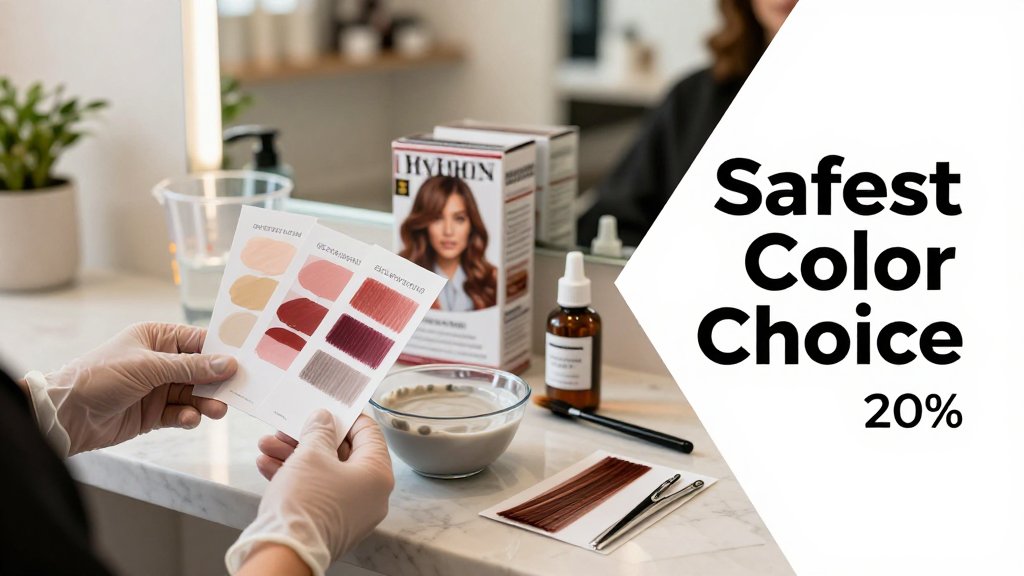
Changing your hair color should feel exciting, not like a gamble with dryness, brassiness, or a harsh root line. The truth is that the safest dye is not one-size-fits-all; it depends on whether you want more shine, a subtle shift, gray blending, or a full level change. In this guide, you will learn the real differences between semi, demi, and permanent hair dye, how long each lasts, what they can and cannot do, and what to ask your stylist so you get predictable, healthy-looking results.
Semi vs demi vs permanent: What is safest
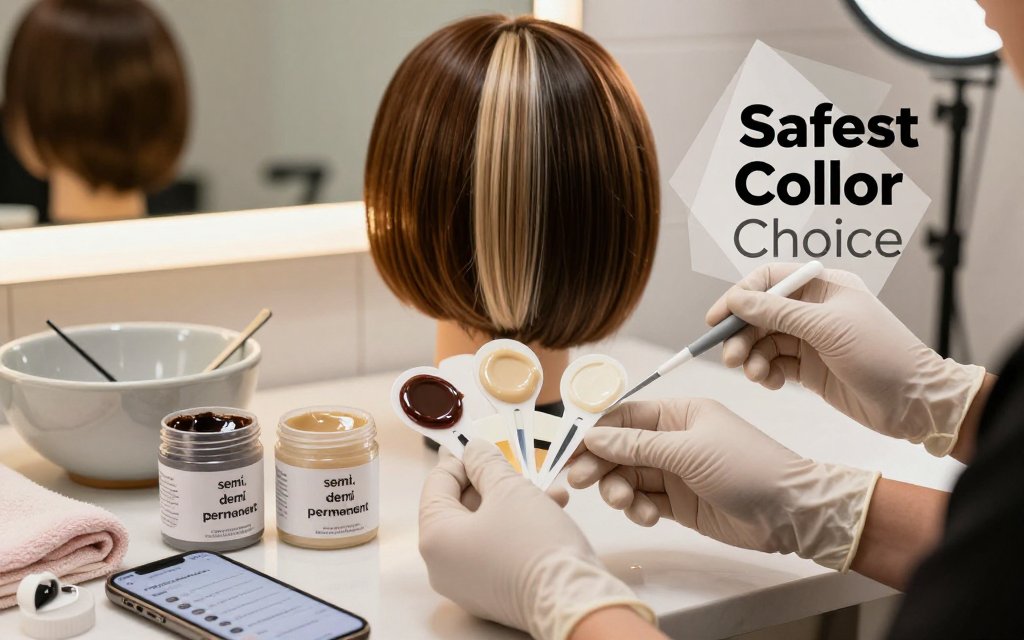
If you are booking a color appointment (or standing in the hair dye aisle) and your first question is “what’s safest,” think in one word: change. The less you need to change your natural pigment, the less chemistry you typically need, and the less structural stress your hair usually takes on. That is why many people feel their hair stays softer with deposit-only options like a gloss, a toner, or a true semi-permanent stain. Safety also includes your scalp, not just your strands, so even the gentlest category can still irritate sensitive skin or trigger an allergy. Your best bet is to match the formula to the goal, not the hype on the box.
The 15-second difference you can trust
Here is the quick version you can repeat to your stylist: Semi stains the outside and fades fastest; demi deposits with a low-volume developer for longer wear; permanent uses stronger chemistry to lift and cover grays. In damage terms, semi is usually the gentlest because it is largely “deposit only” and does not need peroxide to develop. Demi sits in the middle because it uses a low-volume developer to help dye molecules develop and last longer, which can increase dryness if your hair is already porous. Permanent is the biggest change maker: it is designed to open the cuticle, shift natural pigment, and lock in longer-lasting results, which is also why it can feel rougher over time.
The confusing part is the phrase “demi permanent vs semi permanent hair color.” Marketing labels can be sloppy, especially on at-home kits, and “semi” sometimes gets used as a casual synonym for “not forever.” A more reliable clue is the instructions. If the product tells you to mix a color tube with a developer bottle, you are in oxidative color territory (usually demi or permanent, depending on the line and developer strength). If the color goes on straight from the bottle or jar with no mixing, it is typically a direct dye (often semi-permanent). For real-world examples: Manic Panic and Arctic Fox are classic mix-free semis for vivid shades; Redken Shades EQ and Wella Color Touch are popular demi options for toning and gray blending; many permanent lines are chosen for stubborn grays or lift at the roots.
“Safest” also means respecting your scalp. Oxidative dyes (many demi and most permanent formulas) are more likely to involve sensitizing ingredients, so patch testing matters even if you have colored before. The FDA specifically calls out a hair dye safety checklist and patch testing guidance for consumers, which is worth reading before you DIY, especially if you have eczema, fragrance sensitivity, or a history of reactions: FDA hair dye safety checklist. Practical safety habits help no matter the category: apply a barrier cream around the hairline, wear gloves, ventilate the bathroom, and do a strand test on a hidden piece if you are toning bleached hair or refreshing fragile ends.
If your goal is deposit, not lift, skip permanent color. Choose the gentlest formula that achieves the look, then protect it with a cool rinse, sulfate-free shampoo, and fewer heat tools.
Lowest-damage pick by goal (one simple list)
A simple rule of thumb: if you are not trying to go lighter, start by asking for deposit-only first (semi or demi), then move up only if your goal truly requires lift or hard gray coverage. This is especially helpful for wedding hair planning, where you want predictable fade and minimal dryness for photos, curls, and updos. If you are unsure, previewing a few shade directions on your own photo can keep you from over-committing. In Fravyn, you can test dozens of shades and see how they play with your face shape and features, so you walk into the salon knowing if you want a soft neutral brunette, a copper glow, or a cooler espresso tone.
One of the most common mistakes is choosing permanent color when you only needed deposit. Example: you are a natural level 6 brunette who wants to look a touch richer for spring, so you grab a permanent “5 chocolate” kit. It works, but then you get a strong regrowth line at the roots in four weeks, plus your mid-lengths can start to look darker and duller with repeated applications. A demi would have given you the richness with a softer fade and less obvious root contrast. If you do need permanent for gray coverage, ask your stylist about techniques that still look gentle, like a root-only permanent application with a demi gloss on the lengths, or a root shadow that blurs the grow-out for a calmer maintenance schedule.
If you want a real-life example of choosing a lower-damage path, think of trendy brunette shades like cherry mocha. Many people can get that vibe with a demi glaze plus a few strategic highlights they already have, instead of an all-over permanent change. That is also where your undertone matters: a warm cherry-brown on olive skin reads different than the same formula on cool fair skin. If you are narrowing down the direction, use cherry mocha hair shade matching to pick a tone that flatters you first, then select the gentlest dye category that can realistically achieve it. Your healthiest hair color is the one that fits your goal, your maintenance tolerance, and your hair’s current condition.
How long each dye lasts and fades
Longevity is less about what the box promises and more about what your hair does after your third shampoo, your first beach day, and your next round of heat styling. Two people can use the same shade, like a copper glaze or a deep espresso brunette, and have totally different timelines. Hair porosity, how often you wash, and even how hot your showers run can change the fade pattern fast. If you are coloring for an event like engagement photos or a wedding, plan your timing around the point where color looks best on you, which is often week 1 to week 4, not the day you walk out of the salon.
Longevity ranges you can plan around
Semi-permanent color is the commitment-friendly option, but it is also the most variable. A practical expectation is often about 4 to 12 washes, depending on the shade, your base color, and how porous your hair is. On very porous, pre-lightened hair, a bright fashion shade (think hot pink, teal, or cherry red) can look vibrant, then “rinse away” with each wash, especially at the ends. On healthier, lower-porosity hair, a deeper deposit like chocolate brown can hang on longer and fade more evenly. If you are nervous, semi is great for testing a vibe first, especially if you preview it on your photo in a try-on app before you commit.
Demi-permanent is the sweet spot for “I want it to last, but I do not want a hard grow-out line.” So, how long does demi permanent hair color last? A common salon-friendly range is about 20 to 28 washes, which typically works out to roughly 6 to 8 weeks for people who shampoo a few times per week. Demi is amazing for toning highlights, refreshing brunette richness, blending early grays, or adding a glossy “expensive” finish without the full permanence. The tradeoff is that demi can grab more on porous mid-lengths and ends, so your stylist may formula-adjust or apply strategically to avoid darker ends over time.
Permanent color does not really “wash out,” it grows out. That said, the tone you chose can still fade, shift warmer, or lose shine over the weeks. Reds are famous for fading faster and looking more coppery or strawberry as they soften, while cooler ash tones (like mushroom brown or icy dark blonde) can start to look flat if the gloss wears off. Dark deposits often look extra rich for the first week, then relax into a more natural depth as the cuticle smooths and excess pigment releases. Many people who love permanent color still book a quick toner or gloss refresh between full services, just to keep the tone looking intentional.
Maintenance between salon visits that actually works
Most fading is not mysterious, it is predictable friction. Porosity acts like an open door for pigment to slip out, so hair that is bleached, highlighted, relaxed, or frequently heat styled tends to fade faster. Heat tools (flat irons, curling wands, blow dryers on high) can dull shine and nudge color warmer, especially on blondes and light brunettes. Clarifying shampoo is helpful sometimes, but it is basically the “pressure washer” of your shower routine, so frequent use can strip vibrancy. Add sun exposure, hot water that swells the hair and lifts the cuticle, and you have the perfect fade recipe. If you like having a wash-based timeline in mind, Wella wash-count guide gives a simple baseline for semi versus demi.
A small routine tweak that pays off is treating your wash schedule like a “color budget.” Each shampoo is like spending one unit of vibrancy, so fewer washes usually equals longer-lasting tone. If you work out often or have an oily scalp, you do not need to suffer through dirty hair, just get strategic. Try rinsing sweat with water only, use conditioner on ends, then shampoo your scalp lightly on true wash days. Follow with conditioner for at least two full minutes, because slip and softness reduce tangling, and less tangling means less breakage and less roughness that can make color look dull. If your ends feel dry, a weekly mask plus a leave-in can make faded color look glossy again without changing the shade.
One counterintuitive tip, especially for blondes, silver hair, and highlight lovers: purple shampoo is a tool, not a daily cleanser. Overusing it can make hair look dull, slightly lavender, or overly smoky, which is the opposite of that bright “freshly toned” look. A simple approach is once per week or once every other week, depending on how brassy you get, and keep the lather focused on the areas that actually turn warm (often around the face and crown). Time it like you would time a face mask, meaning do not get distracted and leave it on forever. Afterward, follow with a hydrating conditioner or mask so the hair still reflects light, because shine is what makes cool tones look expensive.
Gray coverage, gloss, toner, and salon scripts
If your real issue is grays at the hairline, brassy highlights, or that weird “two-color” fade between roots and ends, you do not always need permanent color to look polished. Low-damage color is usually about choosing the lightest-touch service that fixes your specific problem: shine, tone correction, or subtle deposit for blending. A helpful trick is to decide your goal in the mirror, then bring one or two reference photos and a plain-language description (not just “make it cooler”). If you like to plan, use a hairstyle and color try-on app like Fravyn before your appointment so you can point to a specific beige blonde, mushroom brunette, or copper gloss instead of guessing in the chair.
Gloss vs toner vs demi: what to book
Book this way: if your goal is shine and tone correction, a gloss or toner is often enough; if you need noticeable deposit or gray blending, a demi-permanent service is the workhorse. Toner is typically used to neutralize unwanted undertones, most often after lightening (highlights, balayage, a full blonde). Gloss is usually about shine plus a gentle refresh of tone, like making faded color look “new” again without a big shift. Demi-permanent sits in the middle: more pigment and longer wear than a simple gloss, but still deposit-only, so it can be a softer, lower-commitment choice than permanent for many people.
Here is how that looks in real life. Brassy level 7 highlights (think dark blonde that reads orange or gold in selfies) can often be cooled with a toner that leans violet or blue-violet, because violet cancels yellow and blue helps mute orange. Your stylist might apply it at the shampoo bowl for a short process time, then seal everything with conditioner and a gloss-like finish. On the other hand, a faded brunette can look hollow on mid-lengths and ends, especially on wavy, curly, or coily textures where porous ends drink up color. A demi “glaze” in a neutral or neutral-ash brunette can refill that missing richness so the hair reads expensive again, not flat.
If you are choosing the lowest-damage path, ask about acidic, ammonia-free options for toning and glossing. Many modern gloss services are designed to enhance shine while helping the cuticle lie flatter, which can make hair feel smoother and look brighter under bathroom lighting. For example, Redken describes hair as healthiest at a slightly acidic pH, around 4.5 to 5.5, and positions its Shades EQ service as an acidic demi-permanent gloss. Use that kind of language with your stylist if you want a gentle refresh, not a heavy lift: acidic pH range. This is especially useful if you highlight often and your ends feel a little stressed.
Does demi permanent cover gray hair?
Demi-permanent can cover or blend gray, but results depend on how much gray you have and what “cover” means to you. If you want softer camouflage, demi is great at gray blending because it deposits pigment without lifting, so regrowth lines look less harsh. Many people with 10 to 50 percent gray love a demi root melt or a cool neutral demi at the hairline. If you have very resistant, bright white gray and want solid, opaque coverage, permanent color (or a specialized gray-coverage formula) may perform better, especially at the roots.
Permanent vs demi permanent hair dye: which should I ask my stylist for?
Ask for permanent if you need major, long-lasting root gray coverage, you want to go significantly darker at the roots, or you are changing your natural base level in a way that must hold up for weeks. Ask for demi if your priority is lower damage, a softer grow-out, toning and enriching, or gray blending that looks dimensional instead of painted on. A clear way to phrase it is: “I want deposit-only if possible. I am okay refreshing every month, but I do not want a harsh line.” Your stylist can then tell you what is realistic for your hair.
What is the best low-damage hair color option if I am nervous?
Start with the smallest change that fixes what is bothering you: a clear gloss for shine, or a toner to cancel brass if you are already lightened. If you also feel faded, pick a demi glaze in a shade close to your natural level, like a neutral level 5 brunette or a beige level 8 blonde, so it improves tone without locking you into a dramatic new identity. Tell your stylist you want a “test-drive” service and ask how it will fade on your texture. You can always build intensity next appointment once you trust the process.
Ready to see how a new hairstyle looks on you before you commit to color or a cut? Try Fravyn to preview 50+ styles on your own photo in seconds, so you can choose a look with confidence and bring clear inspiration to your next appointment. Download Fravyn now on iOS and start testing styles today.
Try a New Hairstyle Today
Preview 50+ hairstyles and 29+ colors on your own photo with Fravyn.