Barber Chair Translation, Ask for Your Perfect Fade
Not sure how to ask for a taper fade without ending up with the wrong cut? This guide translates barber terminology into plain English, shows the difference between low, mid, and high taper fades, and helps you choose a fade that actually matches your face shape and hair type.
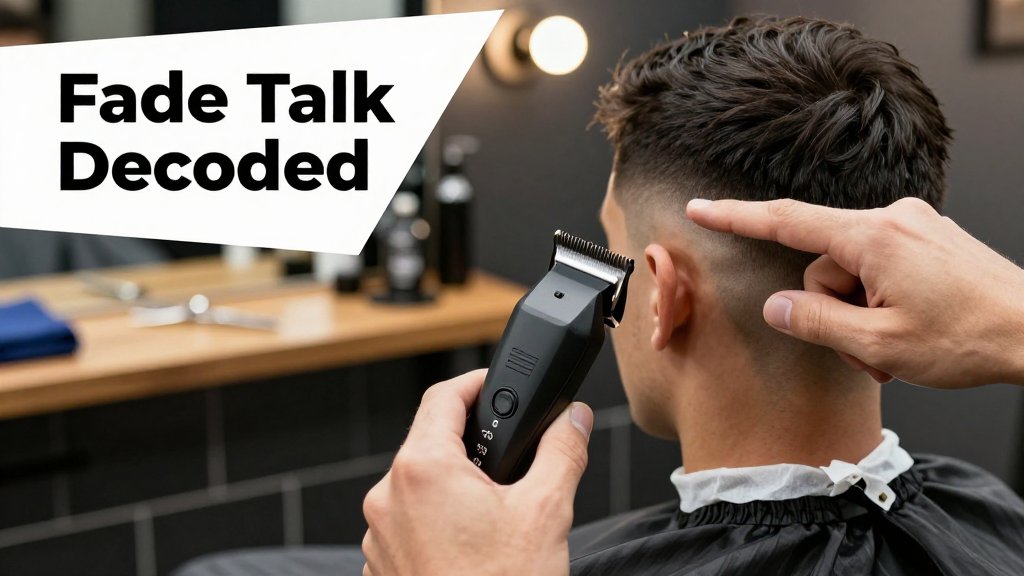
Saying “taper fade” should be simple, but it can lead to wildly different results once the clippers come out. The difference often comes down to where the fade starts, how tight the neckline is, and whether the temple area is sharpened or kept natural. In this guide, you will learn the exact phrases to use in the chair, a quick way to compare low, mid, and high tapers, plus an easy face-shape shortcut so you leave with the fade you actually pictured.
Barber haircut terminology that changes the result
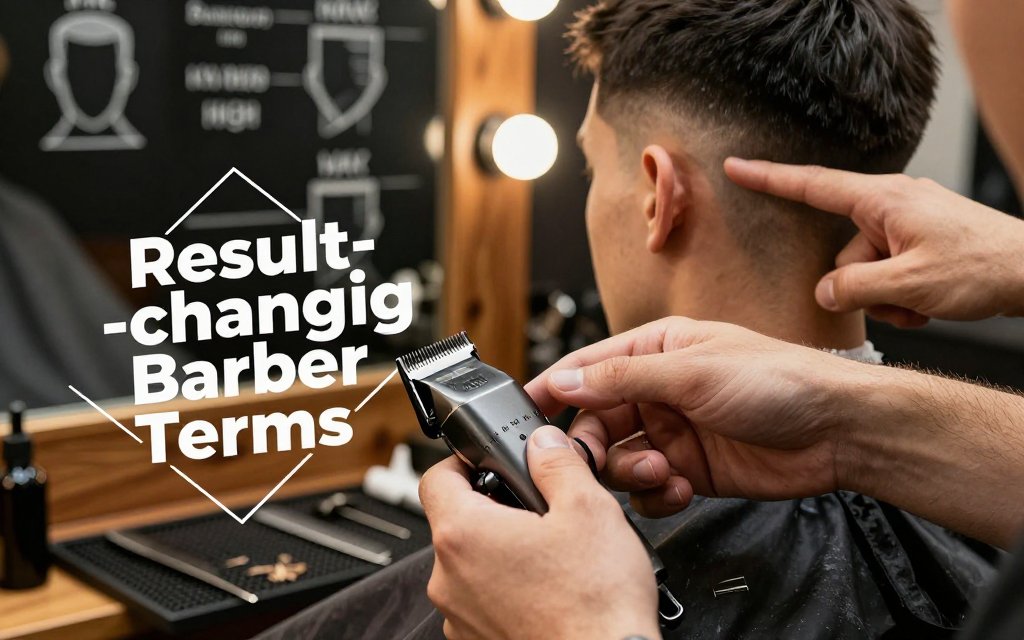
Barber talk can sound like code, but you only need one anchor definition to decode it: a taper describes where hair gets gradually shorter at the edges, a fade describes how quickly it blends to very short, and a guard number describes how much length stays. Those three ideas decide whether you leave looking like a soft, grown-in classic or a crisp, high-contrast cut. The catch is that words like “low,” “skin,” and “clean up the back” are vague unless you attach them to a place on your head. If you can point to your temple (the corner of your hairline by your eyebrow) and your nape (the bottom of your back hairline), you can steer the whole result in under a minute.
Taper vs fade vs taper fade in plain English
Taper means the haircut slowly gets shorter only near the perimeter, basically at the sideburn area, around the ear, and at the nape. The rest of the sides stay relatively full, so it reads polished but not “barbershop fresh” from across the room. Fade means the blend compresses faster and usually travels higher up the head, so you see a stronger transition from short to longer hair. That transition can be low (kept closer to the ear), mid (around the temple ridge), or high (pushing toward the parietal ridge where the head starts to round).
Taper fade is what many people mean when they want “clean edges” without losing too much bulk on the sides. Think of it as a taper that is blended with more intent and visibility, especially at the temple and nape. It can be subtle on straight hair, and it can look extra sharp on curls or coily textures because the contrast makes the shape pop. If you wear your hair natural, you can still ask for softness: “taper fade, but keep it low and dark” signals you want blending without exposing a lot of scalp.
Here is the sneaky part: two people can both request a “low taper” and walk out with different looks because “low” can mean low at the temple, low at the neckline, or both. If your goal is a cleaner profile for photos (think engagement pics, weddings, or just a sharper ponytail line), say it like this: “Low taper at the temples only,” or “Low taper at the nape only.” If you want that fresh outline around the ear without changing the silhouette above it, add: “Keep the weight line, do not take the fade higher than the top of the ear.”
Guard numbers, skin fades, and the neckline trap
Guard numbers are your best friend because they turn “short” into a measurable request. Most people feel the difference immediately in this range: a #4 is “still hair” (you can brush it and it does not look buzzed), a #2 is clearly short and tight, a #1 is very short with obvious scalp show in bright light, and “0” is the shortest clipper setting (usually stubble, not bare skin). Brands vary a little, so it helps to sanity check with something concrete like the Andis guard length chart if you and your barber are speaking different clipper languages.
Now the big vocabulary trap: skin fade (also called a bald fade) means the shortest part of the fade finishes at actual skin, not just “super short.” In practice, that usually involves a trimmer to erase the last stubble line and often a foil shaver for a smoother finish at the very bottom. If you like the contrast but hate the itchy regrowth, ask for a “shadow fade” or “0 fade” instead, so the bottom stays as a soft, dark haze. That detail matters on every texture, and it matters even more if you wear your hair pulled back, because the bottom edge is on display.
Before the cape goes on, pick three details: where the fade begins (temple, mid, or nape), the shortest length (skin, 0, or #1), and the neckline finish. Those choices control the whole haircut.
The neckline finish is the other place people accidentally surrender control. If you do not specify it, the barber may choose what looks “standard,” and it can change the vibe more than you expect. A squared neckline looks sharper and more graphic, great with a line-up or a structured style like a slick back undercut. A rounded neckline reads softer, which can be flattering if you prefer a less edgy silhouette. A tapered neckline (sometimes called a “natural” finish) grows out cleaner and avoids that hard shelf line that can show up in two weeks. If you are also thinking about color, pair the cut plan with a shade plan by previewing a warm brunette like cherry mocha hair shade so your new edges and your new tone feel intentional together.
If you want to be extra clear, describe your request in “barber steps” instead of trend names. Example: “Low taper fade at the temples and nape, keep the sides dark, shortest is a #1 (not skin), blend into a longer top, and taper the neckline.” Another example for a bold look: “Mid skin fade, drop it slightly behind the ear, keep the beard blended into the sideburns, and square the neckline.” Bringing a photo helps, but a photo plus these location words is even better, especially if you are trying something new for an event. In Fravyn, you can test how a higher fade changes your face shape balance before you commit, then show your barber the exact silhouette you liked.
How to ask for a taper fade with confidence
Confidence in the barber chair is mostly about giving three specifics up front: where the taper starts (temple, around the ear, nape), how tight the very bottom should be (guarded vs skin), and where you want the blend to stop (keep the “weight” low, mid, or high). If you like a softer 2026 look, lead with “natural hairline” and “no hard line.” One practical tip: guard numbers are a shared language, but the exact lengths can vary by brand and adjustable levers, which is why a quick glance at an Andis guard length chart can help you and your barber stay on the same page. Bring one photo, then use the scripts below so the photo is a reference, not the whole plan.
Low taper fade 2026: the safe, clean everyday ask
Chair script (say it like this): “I want a low taper fade, just around the ear and temple, and at the nape. Keep the taper low so the sides still look dark. At the very bottom, start with a #0.5 or #1, not skin, and blend it out low.” If you truly want skin, spell it out: “Take the very bottom to skin, but only at the edges, and keep the blend low.” The low taper reads clean without looking dramatic in photos, which is why it’s a go-to for professionals, first-timers, anyone growing out color, and people who wear hats a lot (less contrast when you take the hat off). The key phrase is “keep the weight low,” because that tells your barber not to chase the blend up toward the parietal ridge.
Add-ons that change the result without changing the vibe: ask for “soft taper, not a sharp drop,” and request a natural hairline if you do not want a crisp lineup. Try: “Leave my front hairline natural, just clean the strays.” For sideburn control, be specific about both shape and length: “Keep my sideburns on the shorter side, tapered into the fade, and stop them mid-ear,” or “Leave my sideburns a little fuller and taper them into my beard.” If you have a beard, it helps to say, “Fade the sideburn into the beard, no step.” If you are sensitive at the neck, ask for “a natural neckline, not razor-shaved,” which stays softer as it grows out and tends to look more forgiving between appointments.
Mid taper fade vs low fade: what changes on your head
The visible difference is height and brightness. A mid taper cleans higher at the temple and behind the ear, so your profile looks more “opened up,” but a taper still keeps more darkness than a true fade. A low fade, on the other hand, can still look very fade-like if it drops to skin quickly near the ear, even if it starts low. Script for a softer mid look: “Mid taper, not too high. Keep it darker. I want a smooth blend, and I don’t want the sides to look pale.” That “keep it darker” line is 2026 gold if you want a softer taper that pairs well with texture on top, curls, or a grown-in hairline that you want to keep looking natural.
Script for a sharper outline (still controlled): “Low fade to skin, tight around the ear, and make the blend clean.” This is the ask that gives you that crisp perimeter around the ear and a more obvious contrast, especially on straight hair or fine hair. The most common mistake I see is someone asking for a “mid fade” when they mean “mid taper,” then being surprised by how high and bright it looks once it’s taken down close to the skin. If you are unsure, pause the cut early: “Before you go higher, can you show me the fade height in the mirror?” Barbers are used to that check-in, and it can save you from a too-high result.
High taper fade 2026: lift and structure without the shock
A high taper is for people who want the cleanest temple area and the most “snatched” outline, but you can still keep it modern by asking for softness. Script: “High taper at the temple and around the ear, but keep the blend smooth, not chalky. Keep my hairline natural, and do not take the taper too far back.” This looks great with a textured crop, a curly top with a sponge finish, twists, locs pulled back, or a short quiff, because the height at the sides makes the top look intentional. If you like a lineup, ask for your preference: “Line me up, but keep it soft and follow my natural corners,” or “Line me up sharp in front, but keep the temples slightly natural.”
Try reading this word for word: “Taper my temples and nape, keep the weight where it flatters my head, leave my hairline natural, and blend the sideburns clean. Please show me the height before you go higher.”
Finally, make the top match the sides, because that is where “good fade” turns into “great haircut.” If you want texture on top (very 2026, very wearable), say: “Keep length on top and add texture with scissors, not thinning shears.” For straight hair, that can mean a choppy textured crop or a messy fringe. For curls and coils, it can mean shaping for even volume and letting the curl pattern do the work. Before you leave the chair, do a 10-second detail check: look at both temples, both sideburns, and the nape, then ask for one tweak if needed (“Round my sideburn a touch,” or “Make the right temple match the left”). That tiny moment is what makes the cut feel custom.
Best fade for face shape and your photo test
The best fade is the one that balances your face shape and plays nicely with your hair density, not the one that is trending on your feed. A high skin fade can look razor-sharp on thick, dark hair, but it can also spotlight scalp show-through on fine hair or make a longer face feel even longer. Think of a fade like contour for your head: you are adjusting where the width lives (temples and parietal ridge) and where the height lives (top and crown). That is why two people can ask for “the same mid fade” and walk out with totally different vibes.
Best fade for face shape: quick pairing rules
Here are quick, quotable pairing rules you can use when you are choosing fade height and top shape. Hairstylists often group faces into a few common shapes and aim for balance and proportion, not perfection, which is the core idea behind resources like this University of Kentucky guide on balancing face proportions. - Round faces: add a little height on top (textured quiff, short pompadour, curly top) and keep the sides cleaner with a mid taper or mid fade that does not climb too high. - Square faces: you can handle crisp lineups and strong corners, with a low or mid taper depending on how bold you want the contrast. - Long (oblong) faces: go lower on the taper and keep height modest, think textured crop or short curls with a low taper. - Heart or diamond shapes: a low taper plus texture at the temples helps balance wider cheekbones or forehead. Counterintuitive tip: going too high can make a long face look longer, and it can make thin sides look even thinner if your hair is fine or low density.
Now layer in hair density and texture, because it changes how “sharp” a fade reads. If your hair is fine, a skin fade (down to razor or shaver) can look like an instant bald stripe in bright lighting, especially at the temples. Ask for a softer taper that stops at a #0.5 or #1 at the very bottom, then blends to #2 and #3 quickly so the sides still look full. If your hair is very thick or coily, you can usually wear a cleaner low or mid fade without it looking see-through, but you may want the barber to debulk with clipper-over-comb so the blend does not puff out at the parietal ridge. Brides and anyone planning photos should also consider neckline and sideburn shape, since those details show up in profile shots and updos.
Before you commit, do a sanity-check with a virtual try-on using your actual photo. In Fravyn, upload a straight-on photo in natural light, then try the same style with three fade heights (low taper, mid taper, and a higher fade) while keeping the top consistent, like “textured crop” or “short quiff.” Pay attention to two things: (1) where your head looks widest, and (2) whether the fade makes your face look more balanced from forehead to jaw. Then flip to 29+ hair colors and test your fade with your current color and one shade darker, because higher contrast can make a fade look more dramatic. Save your top two options and show them to your barber so you are both picturing the same finish.
FAQ: common fade questions people ask too late
These are the parking-lot questions that save you from the “it is fine, I guess” haircut regret. If you only remember one thing, make it this: describe the shape and the guard range, then point to where you want the blend to stop (temple, mid ear, or just above the ear). Bringing one front view photo and one side view photo is usually enough. If your hair is curly, coily, or very straight, say that you want the fade to look good both air-dried and styled, since that affects how tight the barber should take the sides and how much weight they leave at the ridge.
What should I say to get a textured top with a taper fade?
Say: “I want a textured top, scissor-cut, left about 2 to 3 inches, and a low-to-mid taper fade. Keep the taper soft, not to skin, and blend from a #1 at the bottom into a #2 and #3, then connect into the top with scissor-over-comb.” Ask for point cutting or razor texture on top so it moves, not chunks. If it comes out too heavy, return and ask them to remove weight with thinning shears at the crown and parietal ridge, not by pushing the fade higher.
Low taper fade vs skin fade: how do I choose without overdoing it?
Choose a low taper if you want something photo-friendly and flexible, especially with fine hair, a long face, or if you wear your hair pushed forward. Say: “Low taper, keep some shadow at the bottom, minimum #0.5 or #1.” Choose a skin fade if you want maximum contrast and you are okay maintaining it every 1 to 2 weeks. Say: “Skin at the very bottom, but keep it low, do not take it above the ear.” If it looks too harsh, ask for a higher guard blend (often #2 or #3) to soften the transition.
How do I fix a fade that went too high?
First, do not “even it out” at home by raising the other side, that is how a mid fade turns into a high fade fast. Go back within a week and say: “The fade sits above my parietal ridge, can you drop the blend and add weight?” A barber can soften the high line by darkening the area above it (clipper-over-comb, usually around #3 to #5), then re-texture the top so the shape feels intentional. While it grows, style forward or add texture with matte clay to reduce the tall, long-face effect.
Ready to see how a new hairstyle looks on you before you commit in the chair? Try Fravyn to preview 50+ styles on your own photo in seconds, including different taper and fade heights. Download the app and test a few options, then bring your favorite look to your next appointment with confidence. Get Fravyn on iOS today.
Try a New Hairstyle Today
Preview 50+ hairstyles and 29+ colors on your own photo with Fravyn.