Wolf Cut Haircut for Women, Best by Face Shape
This shag-and-mullet hybrid suits more faces than you think once the layers sit in the right spot. See how to pick short or long layers by face shape, style the look in five minutes, and preview it before your salon visit.

The wolf cut haircut has jumped from a TikTok curiosity to one of the most requested styles at the salon chair. It borrows choppy crown layers from the 1970s shag and a touch of length from the mullet, so the shape reads a little wild without the sharp front-to-back contrast of a true mullet haircut. Whether it suits your face depends far more on where the layers sit than on the trend itself.
That is good news, because the same shag-and-mullet shape can be tailored to a round, square, heart, or long face just by moving the shortest layers up or down an inch or two. Before you commit, it helps to preview the look on your own photo, which is what an AI hairstyle try-on lets you do in seconds.
What a Wolf Cut Haircut Actually Is
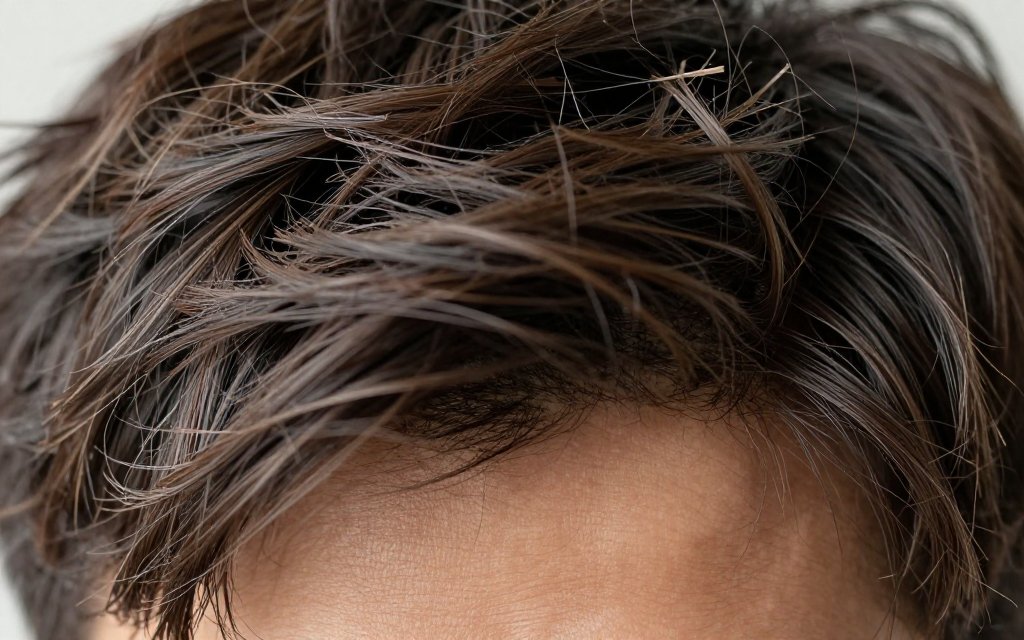
This wolf-like layered cut is built around volume at the crown that tapers into wispy, disconnected ends. Stylists often describe it as a shag haircut crossed with a mullet, with most of the texture and layering hugging the face and neck. Because the layers are cut at many lengths, the style keeps movement even on the second or third day after washing.
This cut is not a wash-and-go style. Its shape leans on frequent trims, a good texture spray, and a few minutes of rough-drying to look intentional rather than messy.
Shag Versus Mullet: The Real Difference
The difference comes down to where the volume lives. A mullet haircut keeps the front and sides short and saves the length for the back, so the contrast is the whole point. The shag spreads texture all over, with face framing layers on the cheeks and a fuller crown, which makes it easier to wear day to day.
Maintenance is the other split. A classic mullet often needs a stylist visit about twice a month to hold that front-to-back line, while the shag usually holds its shape for six to eight weeks between trims, as this side-by-side comparison lays out.
Best Layered Haircut for Round Face and Other Shapes
Face shape decides where the shortest layer should fall. For a round face, stylists build height at the crown and drop the face framing pieces just below the cheekbone, which pulls the eye up and makes a round face read longer. A detailed layer-by-layer face shape guide maps this out shape by shape.
Round and Square Faces
Round faces gain from crown lift and vertical layers. Hairstyles for square face types do better when the front pieces stay at chin length or longer with soft, wispy ends, since a hard layer at the jaw line only underlines the angle you are trying to soften.
Heart and Long Faces
Heart shaped faces suit layers that land between the jaw and chin, with a curtain-style fringe at the cheekbone to add width low on the face. Long or oblong faces should keep the crown flatter and push fullness to the sides, and a soft fringe helps shorten a tall forehead. Our heart shaped face haircut guide goes deeper on balancing a narrow chin.
| Face shape | Layer focus | Frame height |
|---|---|---|
| Oval | Any length works | Below the chin |
| Round | Lift at the crown | Below cheekbone |
| Square | Chin length or longer | Soft wispy ends |
| Heart | Jaw to chin layers | At the cheekbone |
| Long | Fuller at the sides | Add a soft fringe |
Ask for the shortest crown layer to sit no higher than the top of your ear. That one measurement keeps a round or long face in balance.
Short Wolf Cut or Long Wolf Cut?
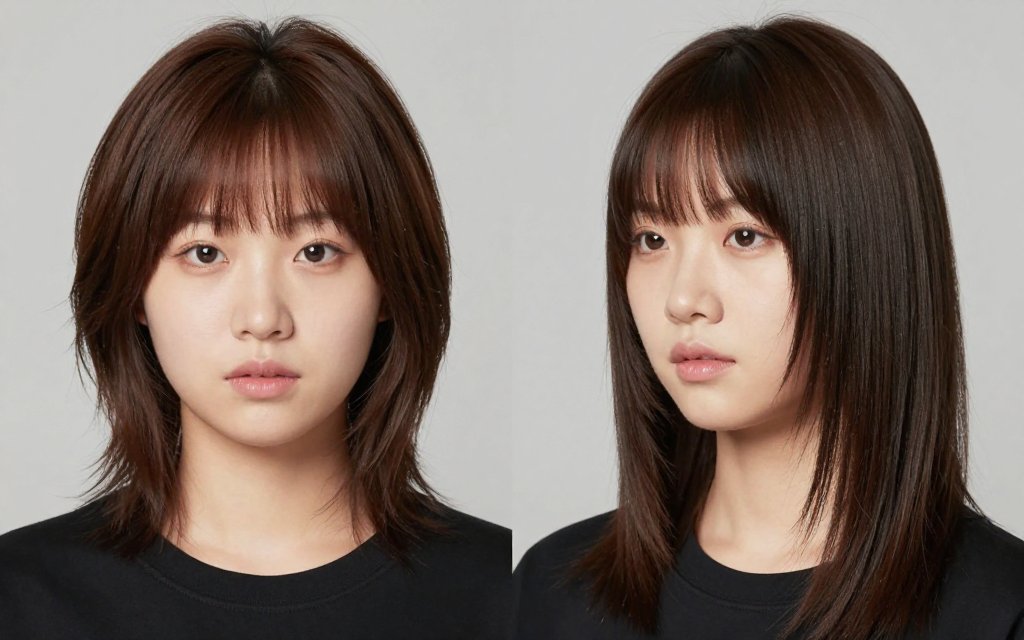
Length changes both the vibe and the upkeep. A short version sits around the chin and jaw, feels edgier, and needs a trim every six to eight weeks because the crown layers grow out fastest. A longer version keeps length past the shoulders, reads softer, and can stretch to eight or ten weeks between shape-ups.
Past ten weeks, either length starts to lose the choppy definition that separates it from plain long layers. If you dislike frequent salon trips, the longer cut buys you a little more time between visits.
| Version | Trim weeks | Best hair type |
|---|---|---|
| Short cut | 6 to 8 | Straight to wavy |
| Long cut | 8 to 10 | Thick or wavy |
| Curly cut | 8 to 10 | Loose to medium |
Curly Wolf Cut and Thin Hair Notes
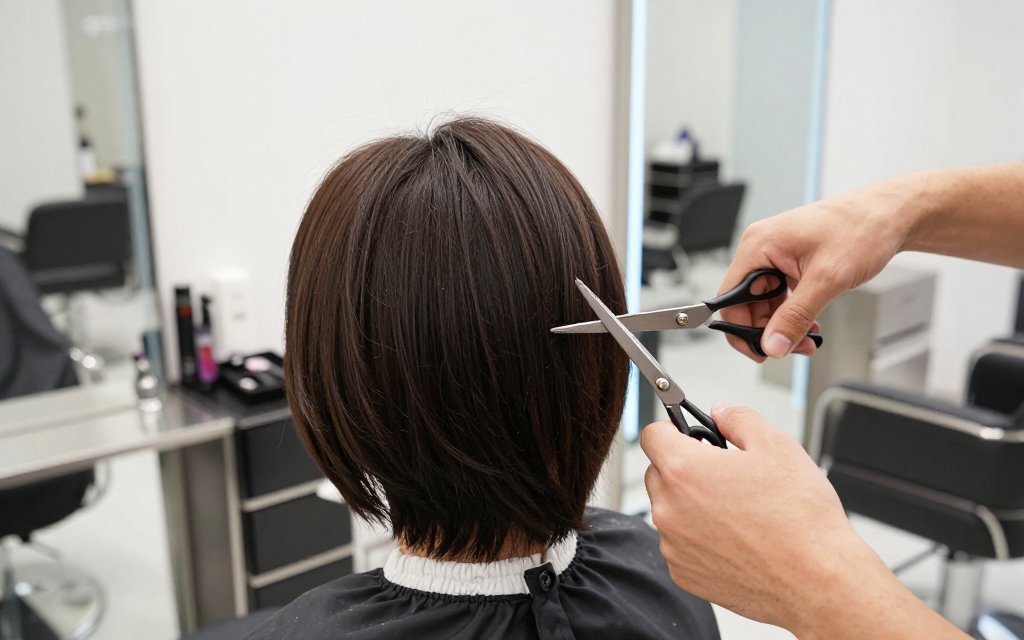
The curly version works well on loose to medium curls, where the layers cut down bulk and let each curl spring up with shape. Very tight coils are trickier, because the layers can shrink unpredictably once the hair dries, so a stylist who cuts curly hair dry is worth the search.
Thin hair is the one big caution. A shag haircut for thin hair can look sparse because the layers remove weight from already fine strands. If your hair is fine, ask for fewer, softer layers and keep more length so the cut still has body.
Thick hair carries the heavy layering best. Very thin hair often looks fuller with a blunt cut than with piecey, weight-removing layers.
How to Style a Wolf Cut at Home
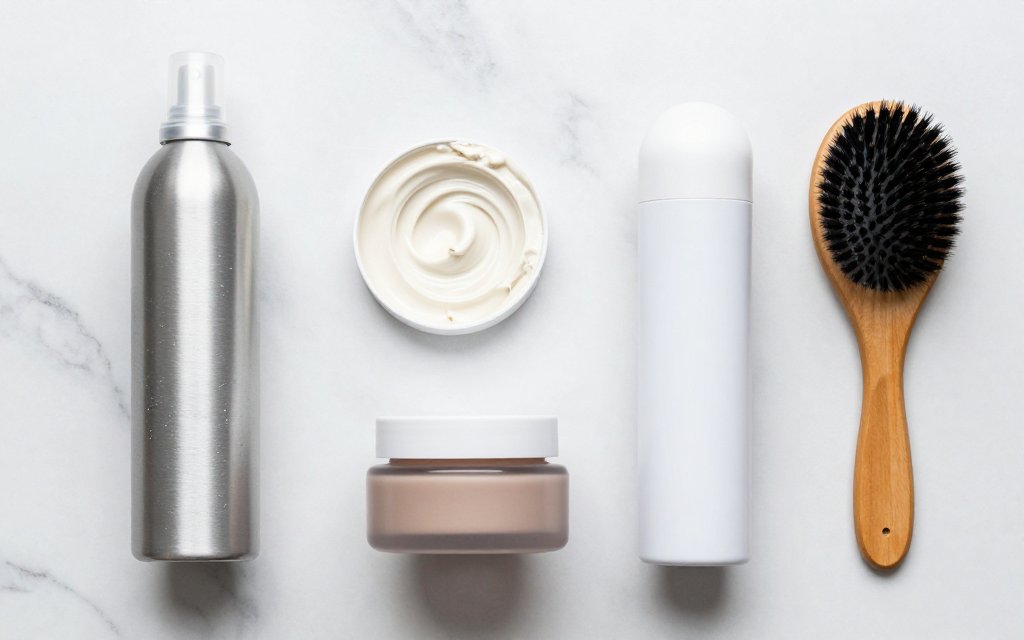
Styling takes about five minutes once you have the right products. Rough-dry the hair while scrunching in a texture spray, which most stylists call the single most important product for this look. Finish by twisting a few face framing pieces around a round brush or a curling iron.
Because the cut is built to look worn-in, air-drying with a little sea salt spray is a real routine on busy days. A matte clay or light wax separates the ends, and dry shampoo at the roots keeps crown volume going into day two. A wolf cut with bangs styles the same way, so blow-dry the fringe over a round brush for a soft bend, and our curtain bangs guide covers the fringe in detail. If you like disconnected layers, the jellyfish cut preview walks through a related shape.
Shag and Layering Questions, Answered
Is a shag haircut good for thin hair?
It can be, but with care. On fine or thin hair the layers remove weight and may look sparse, so ask for fewer, softer layers and keep more overall length. A blunt or one-length cut often gives thin hair more visible body.
How often should I trim this cut?
Plan on a shape-up every six to eight weeks for a short version and eight to ten weeks for a longer one. Stretching past ten weeks lets the crown layers grow out and the choppy texture soften into ordinary layers.
Can I add bangs to the cut?
Yes, and a soft curtain fringe is the most popular pairing. Bangs frame the eyes and suit heart and long faces especially, since a fringe adds width low on the face and shortens a tall forehead.
Does this style work on curly hair?
Loose to medium curls take the layers beautifully, since cutting the bulk lets the curl pattern spring up with shape. For very tight coils, book a stylist who cuts curly hair dry so the length is judged after the hair shrinks.
Ready to see how this style looks on you before you pick up the scissors? Test short and long versions, check the layers against your face shape, and preview a soft fringe on your own photo in seconds. Get the app here: iOS.
Try a New Hairstyle Today
Preview 50+ hairstyles and 29+ colors on your own photo with Fravyn.