Wispy curtain bangs suit curly hair and long layers
A wispy fringe flatters curly hair and long layers with barely any upkeep. Here is how to style it with a round brush, what a trim really costs, and how to grow it out without the awkward stage.

Curtain bangs are the fringe that refuses to go out of style, and there is a reason your feed keeps serving them up. They part down the middle, feather back toward your cheekbones, and grow out without the awkward phase that blunt fringe puts you through. Softer than a full fringe, easier than commitment.
The best part is how forgiving they are. A wispy fringe melts into long layers, sits happily on curls, and frames almost any face without a standing salon habit. Below is how to style it, what a trim really costs, and how to grow it out when you want a change.
What are curtain bangs, really
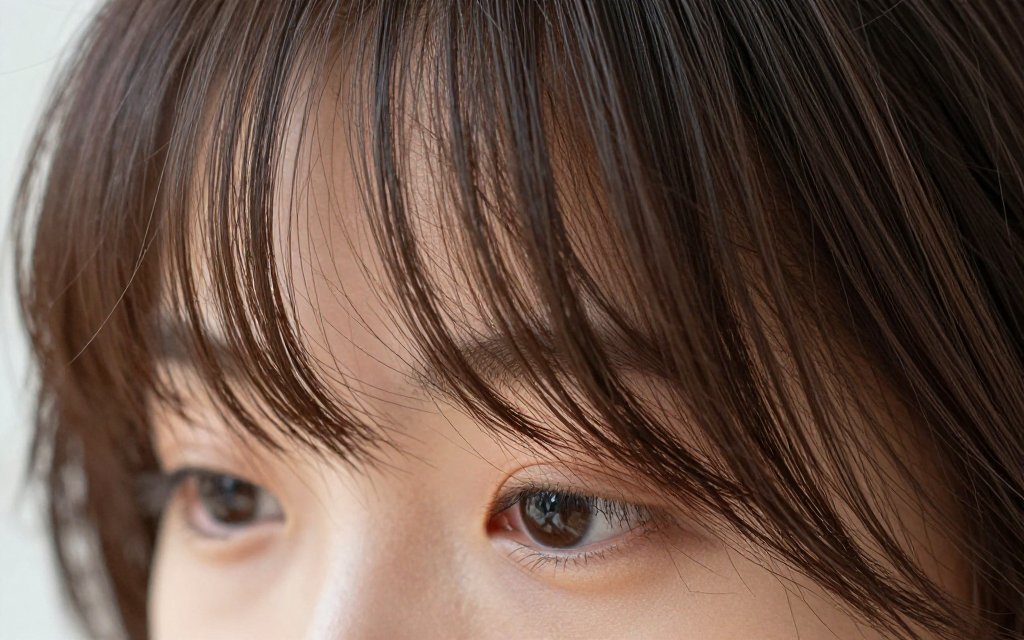
Picture a face-framing fringe parted in the center or just off it, tapering out to blend into the hair at your cheekbones or jaw. That soft, lived-in shape is the whole idea. Stylists trace the look to 1960s and 70s icons like Brigitte Bardot, Farrah Fawcett, and Goldie Hawn, though it reads completely current in 2026.
Unlike a heavy blunt fringe that sits flat across the forehead, this style opens outward and moves. That is why so many people ask what the shape even is before they ask for anything else at the chair. The honest answer is freedom, since you can pin it back, tuck it behind your ears, or let it fall.
The look traces back to 1970s icons like Bardot and Farrah Fawcett, yet it reads completely current in 2026.
How to style curtain bangs at home

You need three things and about five minutes: a heat protectant, a round brush, and a dryer. Part the fringe down the middle, dry it with the brush tucked underneath at the root, and curve the ends away from your face. The stylist method finishes by letting them cool so the shape holds.
On lazy mornings, borrow the wrap-dry trick. Brush the fringe forward over your face, then sweep it side to side with the dryer until it is fully dry. That trains your hairline to fall into a soft curtain shape instead of splitting into a cowlick right down the middle.
Cool air is what sets the bend. Blast the fringe warm, then hit the cool button before you let go of the brush.
Why the fringe loves curly hair and long layers

Here is where the style earns its keep. It sits beautifully on curls because the fringe follows your natural pattern instead of fighting it. The more texture you have, the softer the feathering looks against your face.
Cutting the fringe dry on curls
Curls shrink as they dry, sometimes by a couple of inches, so a fringe cut wet can jump up short. Cutting it dry keeps the length honest. If you are unsure of your curl family, our curl pattern chart from 2C to 4C sorts it out fast.
Long layers and a face-framing fringe
On long hair, the fringe reads as the shortest layer in a stack of long layers, which is why the pairing looks made to order. It pulls face-framing pieces forward while your long layers keep the length and swing. That is the layered look everyone screenshots.
Short bangs versus a longer fringe
Length changes the whole mood. Short curtain bangs with layers feel bold and retro, hitting around the brow or the top of the cheekbone. The longer version starts lower, brushes the cheekbones, and blends so gently you can tuck it away for a clean face when you want one.
If you are bang-shy, start long. You can always take more off, and the longer cut lets you test the look without a big reveal. A high, short fringe needs more upkeep, because even a little growth shows fast.
Bang shy? Start long. You can always trim more off next visit, but you cannot glue length back on.
Which fringe length suits your face
This fringe suits nearly everyone, but small tweaks help. Long curtain bangs for round face shapes add vertical lift by starting at the cheekbones. Wispy curtain bangs for oval face shapes have it easiest, since almost any length lands. A square jaw softens when the center sits a touch shorter and feathers out.
Not sure which camp you are in? Measure it. Our tape-measure face shape guide takes two minutes, and you can even preview a fringe on your own photo before you book the chair.
What a fringe trim costs to keep up
Here is the money math nobody mentions at the chair. Hair grows about half an inch a month, and that half inch shows fast on a fringe. This cut holds its shape for four to six weeks, longer than blunt bangs, which look shaggy in two to three.
A standalone bang trim runs about 10 to 25 dollars, and plenty of salons touch up regulars for free between cuts. Do the arithmetic. At six-week intervals that is roughly eight or nine trims a year, or somewhere between nothing and 200 dollars depending on your salon's policy.
| Bang style | Trim window | Trim cost |
|---|---|---|
| Blunt bangs | 2 to 3 weeks | 10 to 25 dollars |
| Wispy bangs | 3 to 4 weeks | 10 to 25 dollars |
| Curtain fringe | 4 to 6 weeks | 10 to 25 dollars |
| Regular client | Between cuts | Often free |
A curtain fringe stretches to six weeks between trims, about twice as long as blunt bangs, which adds up over a year.
How to cut curtain bangs and grow them out
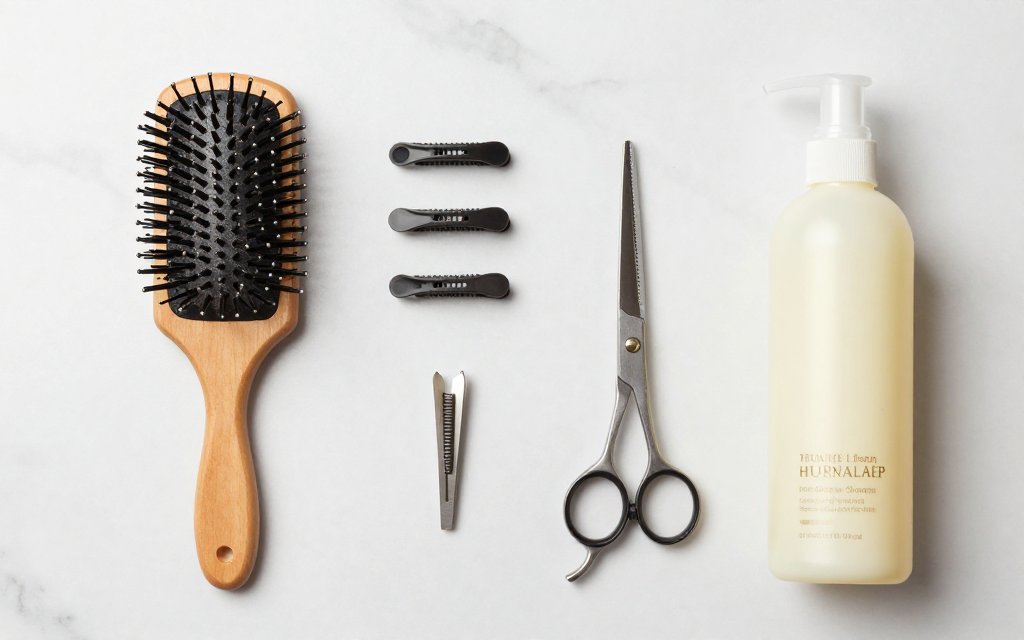
Tempted by the kitchen scissors? The honest answer is to let a stylist handle the first pass, because salon pros warn the angle and length fool the untrained eye, and a wet fringe dries shorter than you expect.
Growing it out is the easy part, the quiet superpower of this cut. Ask your stylist to take a little off the sides at each visit while the center grows, so the fringe melts into your layers and the face-framing pieces stay soft instead of hanging in your eyes.
| Time | New length | What changes |
|---|---|---|
| 1 month | 0.5 inch | Past your brows |
| 3 months | 1.5 inches | Grazing cheekbones |
| 6 months | 3 inches | Blends to the jaw |
| 12 months | 6 inches | Fully grown out |
Questions people actually ask
How do you make the fringe stay put all day?
Set it with cool air. Dry the fringe with a round brush, curl the ends away from your face, then hit the dryer's cool button before you let go. A dab of light cream or a mist of flexible spray keeps the shape without any crunch.
How often should you trim a curtain fringe?
Every four to six weeks keeps the shape sharp. Because hair grows around half an inch a month, waiting longer lets the fringe slip past your cheekbones and lose its face-framing job. Wispy pieces can stretch a little longer than blunt ones before they read messy.
Do these bangs suit curly and thick hair?
Yes to both. On curls, the fringe follows your pattern and looks softer the more texture you have. On thick hair, ask for extra feathering so it does not sit heavy, and have it cut dry so the length comes out true.
Ready to see how a new fringe actually lands on your face before anyone picks up the scissors? Try Fravyn and preview wispy, short, or long versions on your own photo in seconds. Get the app here: iOS.
Try a New Hairstyle Today
Preview 50+ hairstyles and 29+ colors on your own photo with Fravyn.