The modern mullet haircut suits curly, wavy and straight hair
The modern mullet is back with soft, piecey layers instead of 1980s edges. See how the short front and long back flatter curly, wavy and straight hair, which face shapes it suits, and what the trims cost each year.
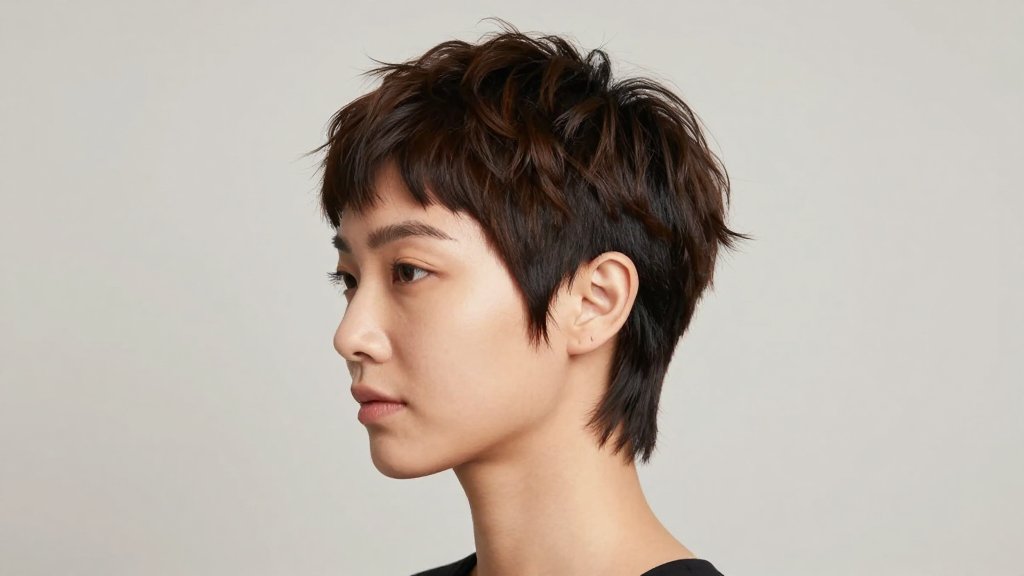
The modern mullet is the rare haircut that reads bold and low key at the same time. It keeps short, piecey layers around the face and leaves real length down the back, so the shape moves when you do. Stylists have spent the last two years softening the flat 1980s version into something you can wear to an office.
It works on curly, wavy and straight hair, and it has become a mullet haircut women request as often as men do. The cut grows out gracefully, so one missed appointment won't wreck it. That mix of drama and forgiveness is the whole appeal.
What is a modern mullet, and why it came back
A modern mullet is short and fluffy through the front and sides, then longer and choppier at the back. The current version leans on soft texture and movement, with just enough structure to look intentional, as one stylist guide puts it. Think balance of polish and rebellion, not a retro costume.
The length gap does the work. Your crown and fringe sit short for lift, while the back can fall several inches longer for that signature outline. Because the ends are razored or point cut, they look lived in rather than blunt.
The modern mullet trades the 1980s helmet for soft, piecey layers that move, so the same cut can look editorial on Monday and undone by Friday.
Wolf cut vs mullet, what actually changes
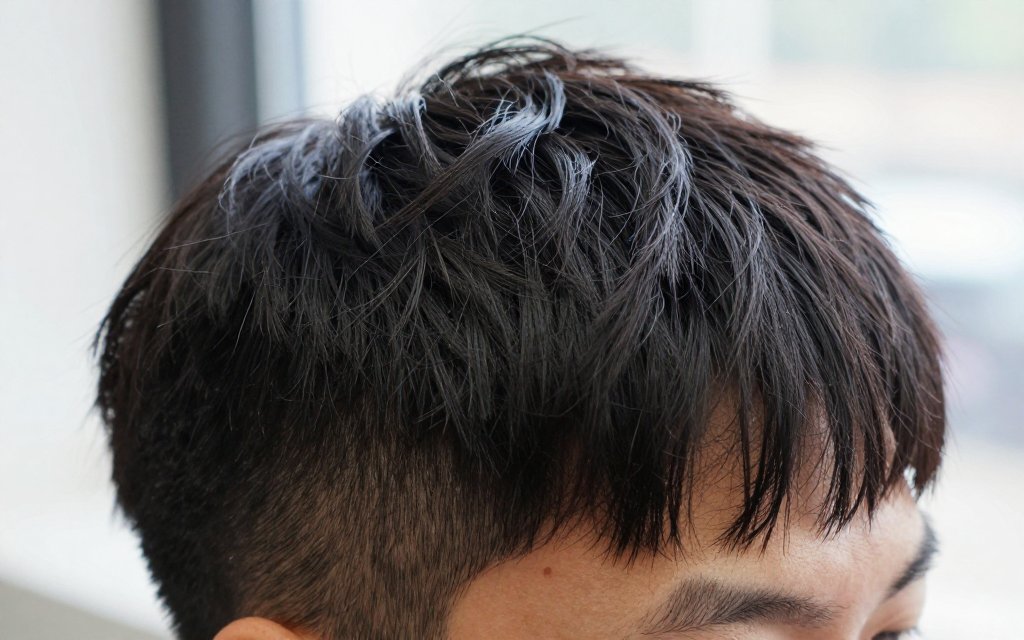
People mix these up constantly, so here is the honest split. A wolf cut blends its layers from crown to ends, so the shape flows without a hard line. A mullet keeps a clear break between the short front and the long back, which reads sharper and more graphic.
Upkeep is the other difference. A wolf cut runs low to medium maintenance and grows out on its own, while a mullet sits at medium to high and wants regular shaping to hold that contrast. If you want a defined outline, the mullet is worth the extra chair time.
A wolf cut forgives a missed appointment. A mullet rewards you for keeping it, with a cleaner line every time you sit back down in the chair.
| Feature | Wolf cut | Mullet |
|---|---|---|
| Layers | Blended | Defined break |
| Vibe | Soft, relaxed | Bold, graphic |
| Upkeep | Low to medium | Medium to high |
| Trim gap | 8 to 12 weeks | 4 to 8 weeks |
Which face shapes a mullet flatters
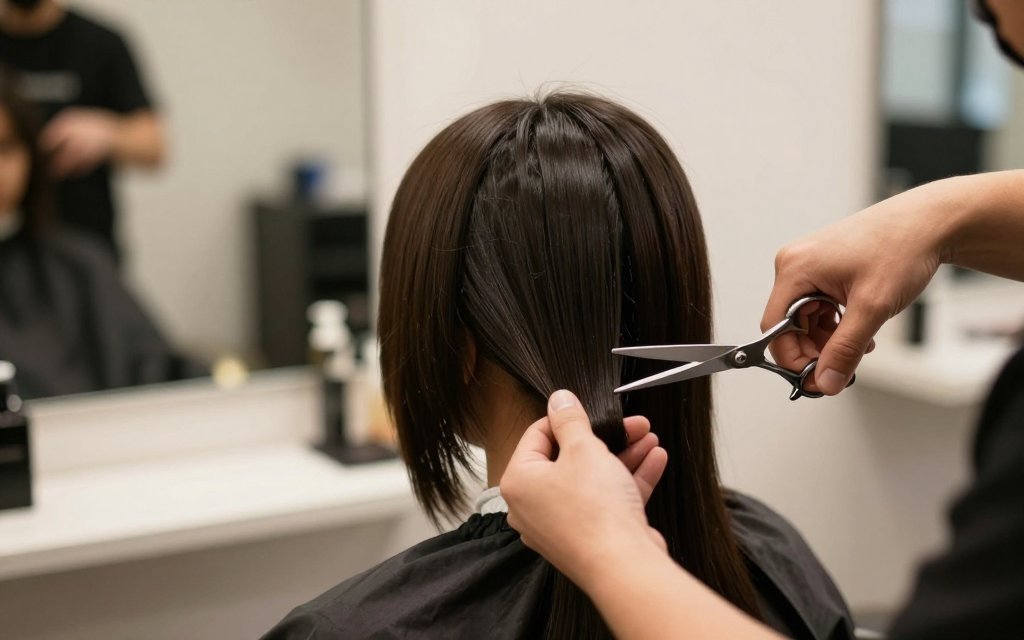
The back length is a balancing tool. A mullet flatters oval and longer faces because the volume up top and the length below keep proportions in check. Barbers place it well on round and angular faces too by adjusting where the layers start.
Not sure where you land? Measure before you book, since the right layer placement depends on it. Our guide to your face shape walks through the quick version with a tape measure.
Soft bangs help a rounder face
If your face is on the rounder side, ask for soft, feathered bangs. They add movement at the front and draw the eye down, which lengthens the face without hiding it. A curtain style fringe does the same job with less commitment.
Curly, wavy and straight hair all work
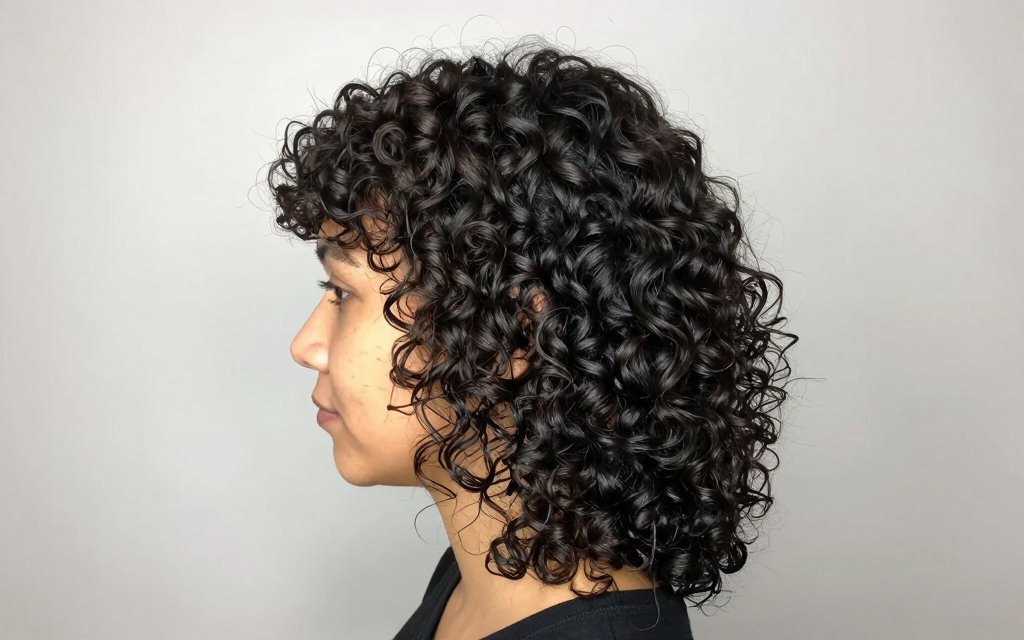
Texture is a feature here, not a problem. A curly mullet gets natural volume for free, so the crown lifts without much effort and the back holds its shape between washes. Wavy hair lands in the same easy zone.
Straight hair takes the cut too, with a sharper, cleaner contrast between the short front and long back. Fine or very straight hair usually needs a little help, so a volumizing mousse or root spray earns its place.
No matter your texture, wavy, curly or straight, a skilled stylist can add or remove layering to match your hair, which is why the cut suits so many people.
The mullet fade and other bold takes
Want more edge? A mullet fade tightens the sides with a taper so the top and back feel even more dramatic. The burst fade mullet, which arcs the fade around each ear, is one of the most requested versions at barbershops right now. If fades are new to you, our low fade guide covers the taper basics.
Prefer something softer? A mullet with bangs keeps the front romantic, and a shaggier take blurs the line back toward a wolf cut. Any of these can be dialed up or down at your next trim.
What a mullet costs to keep up each year
Here is the money math. A women's haircut averages $69 in the United States, and most fall between $39 at a budget chair and $93 at an upscale salon, according to a 2026 pricing survey. In pricey metros the number climbs, with New York City averaging about $163.
The real cost is the calendar. Plan on a shaping trim every 4 to 8 weeks to hold the contrast, which pencils out to roughly $450 to $600 a year at the average price. Growing one out from a longer cut takes about 3 to 5 months, so patience saves money too.
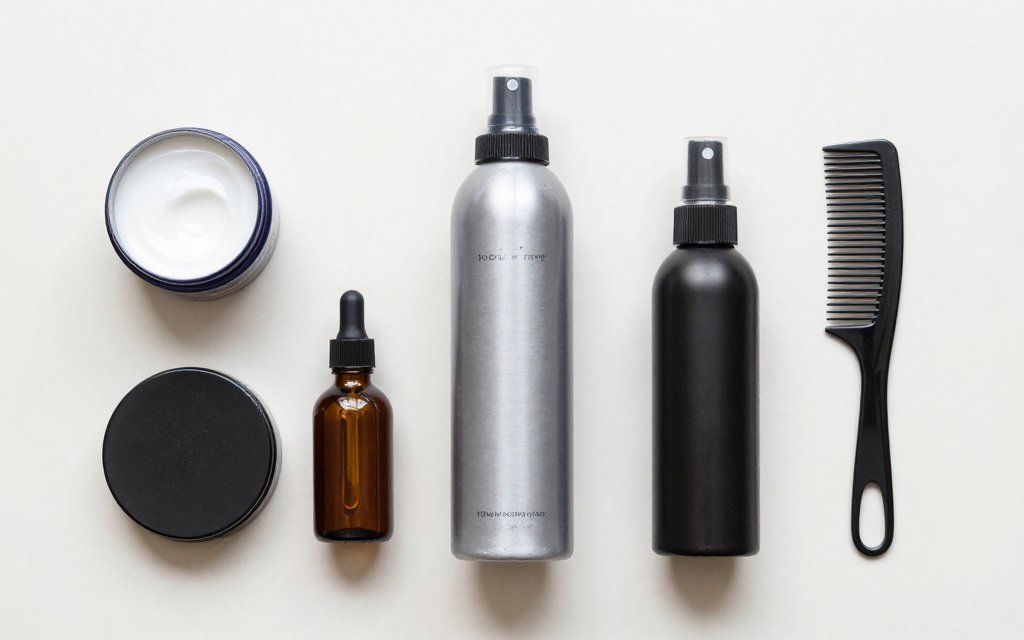
Day to day, a modern mullet hairstyle likes a light touch. Work volumizing mousse or root lifting spray in at the roots, scrunch a lightweight serum through the back to tame frizz, and use a little soft pomade to keep the sides neat. Fravyn can show you the shape before any of this starts.
| Item | Interval | Cost |
|---|---|---|
| Shaping trim | 4 to 8 weeks | $39 to $93 |
| Yearly upkeep | 7 to 9 visits | $450 to $600 |
| Grow out time | 3 to 5 months | $0 |
Mullet questions, answered
Is a modern mullet haircut high maintenance?
It sits in the medium to high range. You will want a shaping trim every 4 to 8 weeks to keep the short front and long back in balance, plus a few minutes of styling on most days. Curly and wavy textures forgive a longer gap between cuts.
Does the cut suit fine or thin hair?
It can, with the right prep. Fine hair needs volume, so ask for softer, feathered layers and lean on mousse and root spray. A fuller look for fine hair is easier when the crown is cut for lift.
How do you style a mullet haircut for women at home?
Start with a rough blow dry for lift, then define the back with your fingers and a little cream. Plenty of people who wear a mullet haircut, women included, keep a texturizing spray on hand for second day shape. A cool shot from the dryer locks the crown volume in.
Ready to see how a mullet looks on you before the scissors come out? Fravyn lets you try 50 plus hairstyles on your own photo in seconds, so you can test the short front and long back against your own face shape first. Get the app here: iOS.
Try a New Hairstyle Today
Preview 50+ hairstyles and 29+ colors on your own photo with Fravyn.