Rosemary Essential Oil for Hair Growth Matched 2% Minoxidil
A 2015 trial put rosemary essential oil for hair growth head to head with minoxidil, and the plant kept pace over six months. Here's what the study really showed, what it costs, and how to use it without irritating your scalp.
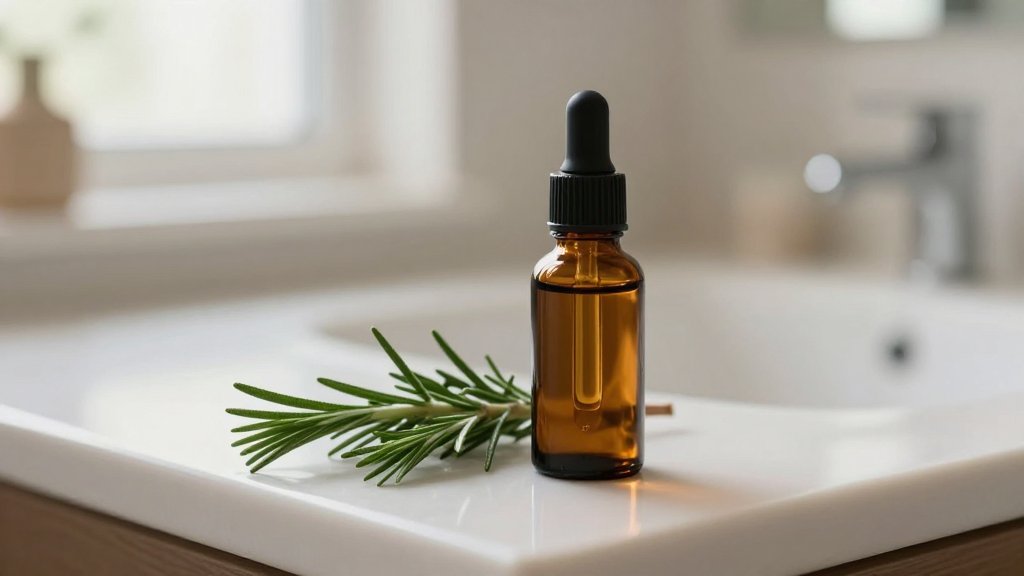
In a 2015 clinical trial, rosemary essential oil for hair growth held its own against minoxidil, the drug most dermatologists reach for first. Researchers in Iran followed 100 people with pattern hair loss for six months, and by the end both the rosemary group and the minoxidil group had grown back a similar amount of hair. That is why a plant extract keeps showing up in serious hair loss conversations.
Here is the honest version, because the internet tends to oversell this. The study compared rosemary oil to 2 percent minoxidil, not the stronger 5 percent most people use now, and it was a single trial. Still, the fact that a cheap oil kept pace with a proven medication at all is worth understanding before you spend a cent.
At six months, the rosemary group and the minoxidil group landed at nearly the same hair count. Neither showed much at three months, which is the exact point most people quit.
How Rosemary Essential Oil for Hair Growth Was Tested
The trial split its 100 volunteers into two even groups of 50. One rubbed rosemary oil into the scalp daily, the other used minoxidil 2 percent, and both stuck with it for half a year. You can read the 2015 trial in full, but the short version matters more than the jargon.
At the three month mark, neither group had gained meaningful hair. That is the trap. Most people abandon a scalp routine around week six, long before the six month point when both groups finally showed a real jump in hair count. The rosemary users also reported less scalp itching than the minoxidil users, a small but genuine comfort win.
Rosemary Oil vs Minoxidil, What the Numbers Really Say
Comparable does not mean identical, and this is where the fine print earns its keep. Minoxidil carries decades of data across thousands of patients. Rosemary oil has this one well run trial. If your hair loss is fast, or you want the safest bet on evidence, that gap is the whole story.
| Factor | Rosemary Oil | Minoxidil 2% |
|---|---|---|
| Hair at 6 mo | Significant rise | Significant rise |
| Result at 3 mo | No change | No change |
| Scalp itching | Less frequent | More frequent |
| Cost per month | $15 to $30 | About $4 |
| Study size | 50 people | 50 people |
Why would an herb do anything at all? The leading idea ties rosemary essential oil and hair growth to better blood flow at the scalp, which feeds the follicle, plus compounds that may calm the inflammation behind thinning. It will not regrow a bald crown, but for early, patchy thinning it gives follicles a friendlier place to work.
One caveat is worth repeating. The rosemary dose was standardized in a lab, and the minoxidil was only 2 percent. Bump minoxidil to 5 percent and the comparison likely shifts. Treat rosemary oil as a real contender for mild thinning, not a guaranteed swap for a prescription.
What Rosemary Oil for Hair Costs Compared to Minoxidil
Money changes the math more than most reviews admit. Generic minoxidil can cost about $4 a month, while a bottle of rosemary oil plus a carrier oil usually runs $15 to $30 a month. Rosemary looks pricier per month, yet one essential oil bottle lasts a long time at these tiny doses, which narrows the real gap.
Twelve months of a treatment that does nothing is not free. It is the money spent plus the growth you lost while waiting to find out.
There is a hidden cost too. Spend a year on something that is not working for your type of loss, and that is not just $180 to $360 gone. It is a year the follicles kept shrinking. If you are not sure whether you face thinning or plain breakage or shedding, sort that out first so you treat the right problem.
How to Use Rosemary Oil for Hair the Right Way
Dilution is the whole game. Healthline notes a mix of about 5 drops of rosemary oil per teaspoon of carrier oil, which keeps it near a safe 1 to 2 percent strength. Straight essential oil on bare skin burns and flakes, so it never touches the scalp undiluted.
Dilution is not optional. Undiluted essential oil on the scalp is the fastest way to trade thin hair for an itchy, flaking one.

Frequency is a slow build, not a blitz. Start once a week, and only climb to two or three times a week once your scalp shrugs it off without redness. More is not better here, and daily dousing tends to leave hair greasy and irritated rather than fuller.
Which carrier oil for rosemary oil works best
The carrier oil for rosemary oil matters almost as much as the rosemary itself. Jojoba sinks in fast and suits fine or oily hair, coconut coats thicker strands, and olive oil is a heavy pick for very dry ends. Your hair's low porosity or high porosity decides how quickly any of them absorb.
| Carrier Amount | Rosemary Drops | Dilution |
|---|---|---|
| 1 teaspoon | 5 drops | About 2% |
| 1 tablespoon | 3 to 6 drops | 1 to 2% |
| 2 tablespoons | 6 to 12 drops | 1 to 2% |
How to make rosemary oil for hair at home
You can buy it ready to go, or learn how to make rosemary oil for hair from scratch for a few dollars. The homemade route is gentler and cheaper, though the potency swings batch to batch, so store bought stays more predictable if you want a steady dose.
Rosemary Water for Hair and Other Ways to Use It
Not into oil at all? Rosemary water for hair is the lighter cousin. You simmer rosemary in water, cool and strain it, then use it as a scalp rinse or a leave in spritz between washes. It will not match the studied oil for strength, but it is a low fuss way to test whether your scalp likes rosemary before you commit.
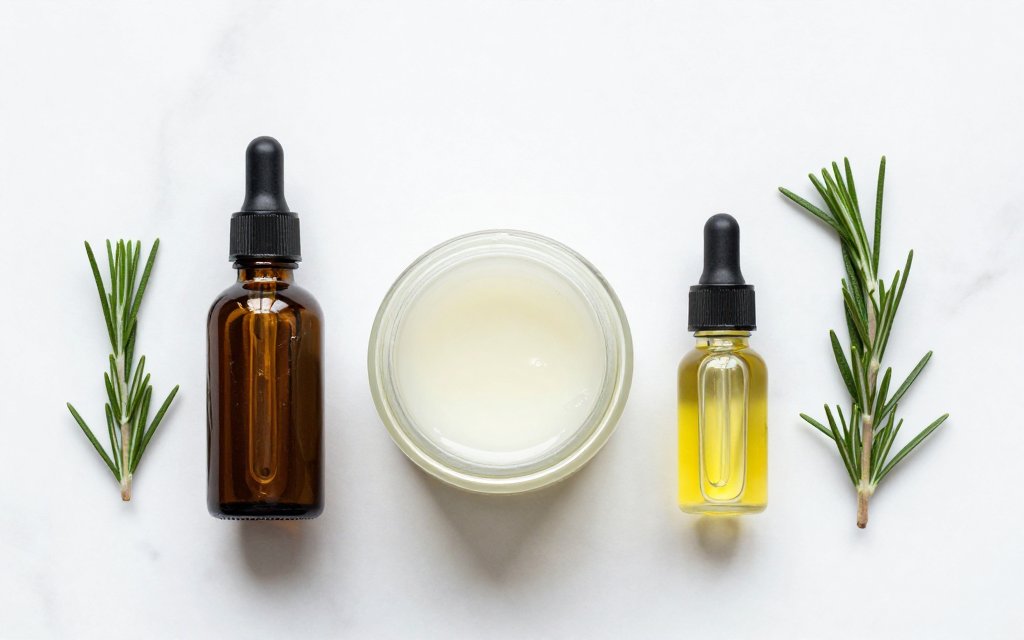
Some people stir rosemary into shampoo or buy a ready made scalp oil to skip the mixing. If you have tried the rice water routine and liked the ritual, this slots into the same weekly habit without much extra effort.
Set Expectations Before You Start
Patience is the price of admission. Scalp comfort and less flaking can show up in two to four weeks, but real changes in thickness track the study's timeline of three to six months. Bail at week six because nothing looks different, and you miss the exact window when the trial saw its gains.

A new part or a fuller looking style can also make thin spots read as fuller today, no waiting required. Curious how a different cut would sit while your hair fills in? You can preview styles on your own photo and pick one that flatters a thinner crown right now.
Common Questions About Rosemary Oil for Hair
Does rosemary oil grow hair, or just thicken what is there?
The trial measured a real rise in hair count, so it is more than a thickening illusion, at least for pattern thinning. That said, does rosemary oil grow hair on a fully bald scalp? No. It works best on follicles that are shrinking, not ones that are already gone.
How long until rosemary oil benefits for hair show up?
Expect scalp changes in two to four weeks and visible density around three to six months. The rosemary oil benefits for hair build slowly, so mark a calendar date six months out and judge it then, not after two frustrating weeks.
Can you use rosemary oil for hair loss alongside minoxidil?
Many people do, applying them at different times of day to limit irritation. No trial proves the combo beats either one alone, so treat rosemary oil for hair loss as a gentle add on rather than a reason to drop a treatment that already works for you.
Rosemary oil can nudge your hair fuller over months, but it will not preview a new cut or color for you. Before you book a big change, see how it actually reads on your face. Fravyn lets you try 50+ hairstyles and 29+ colors on your own photo in seconds, so you decide with your eyes, not a guess. Get the app here: iOS.
Try a New Hairstyle Today
Preview 50+ hairstyles and 29+ colors on your own photo with Fravyn.