Purple Shampoo for Brassy Hair, Plus When to Use Toner
Brassy hair creeps back weeks after a color job. Here is how purple shampoo cancels yellow, when a blue one beats it, and the point where a salon toner is worth the money over another bottle at home.
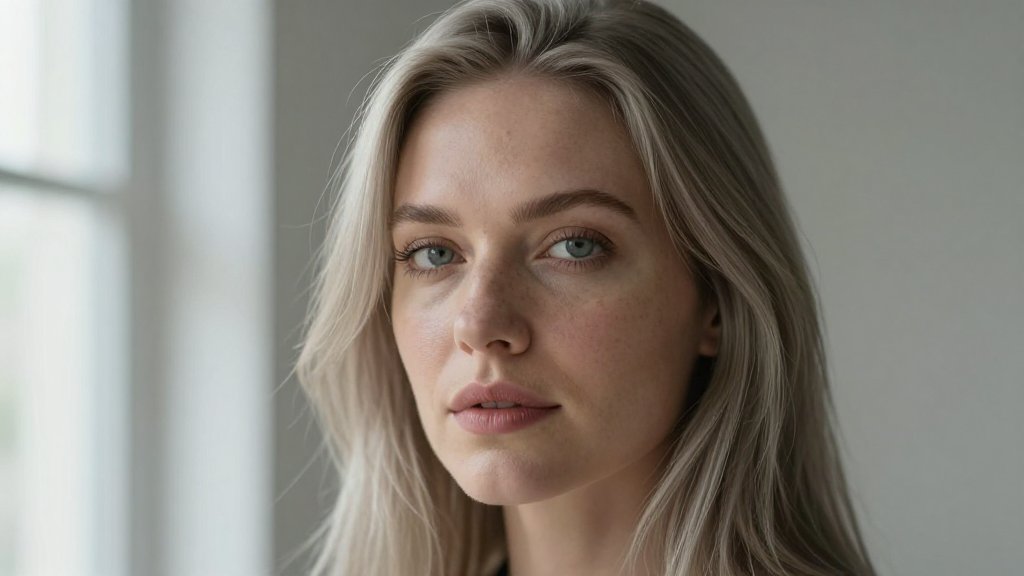
Brassy hair usually shows up about three weeks after a color appointment, right when the cool tone you paid for starts to fade and warm yellow or orange creeps in. Purple shampoo for brassy hair is the cheapest way to push it back, and it does work, but only on the kind of warmth it was built to cancel.
Here is the simple rule. Violet pigment cancels yellow, blue pigment cancels orange, and a salon toner resets the whole color when the at-home bottles can no longer keep up. Which one you need comes down to your shade and how far the color has drifted since your last visit.
Why Purple Shampoo for Brassy Hair Works
Color correction runs on the color wheel. Violet and yellow sit opposite each other, so a violet film laid over yellow strands makes both read as a neutral, cooler blonde. That is the whole trick, and it is also why a blue formula, not a violet one, is the answer when the brass looks orange.
A pigmented wash deposits a sheer layer of violet that rinses out over a few washes. It does not lift or bleach, it only sits on top and tints, which is exactly why the effect is gradual and needs topping up. Treat it as upkeep between salon work, not a full correction on its own.
Blue pigment molecules are the smallest in the hair shaft, so they fade first and leave the warm yellow and orange tones behind.
What Turns Blonde and Brunette Brassy
Brass is warmth left behind. Blonde hair drifts yellow because the small blue pigments that keep it ash toned fade fastest, and once they go the warmer pigments underneath take over. Brunette hair does the same thing lower on the scale, showing red or orange as the cool tones wash out, which is why brassy blonde hair and warm brunettes need different fixes. Redken breaks down the main causes here.
Hard water leaves metal behind
Hard water carries iron, copper, calcium, and magnesium that cling to the cuticle and pull the color warm. It is one of the most overlooked triggers, and a clarifying wash once a week helps strip the buildup before it sets into the strand.
Sun, chlorine, and hot tools
UV light oxidizes dye and burns off the cool tones first. Chlorine strips protective oils and can leave a green or orange cast, and flat irons above 350 degrees open the cuticle so the small blue pigments escape faster. A cool-water rinse after a swim slows all three down.
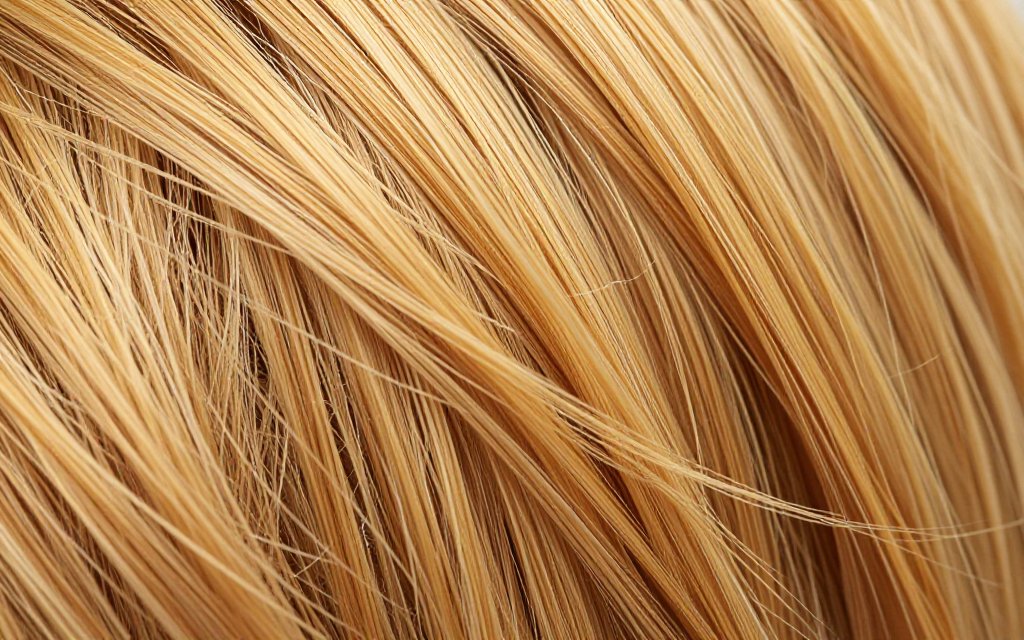
How to Get Rid of Brassy Hair at Home
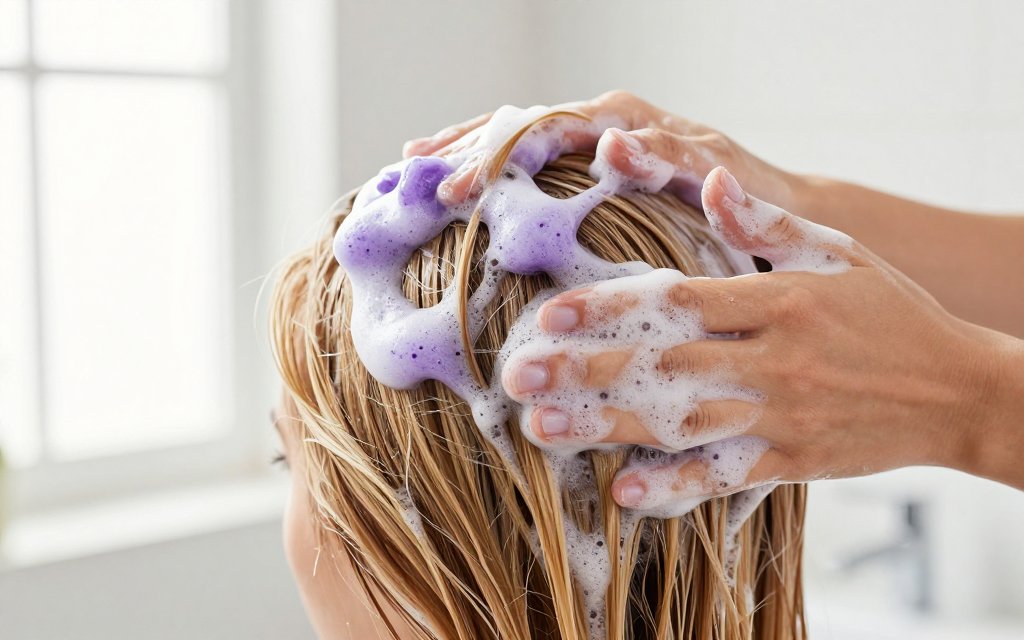
Here is the at-home routine, and it costs almost nothing. Wash once with a regular shampoo, then work the pigmented wash through wet, even hair and let it sit. Timing matters, because the pigment keeps depositing the longer it stays on.
Leave the toning wash on for two to ten minutes depending on how warm the hair looks, then rinse and follow with conditioner. Use it a few times a week rather than daily, since very light or damaged hair can pick up a faint lilac cast if you overdo it. Reach for purple shampoo for yellow hair, and a blue shampoo when the fade has slid toward orange.
If your hair picks up a purple tint, wash again with a clear, non-pigmented shampoo for 3 to 5 minutes to lift it.
Purple Shampoo for Yellow Hair or Ash Blonde
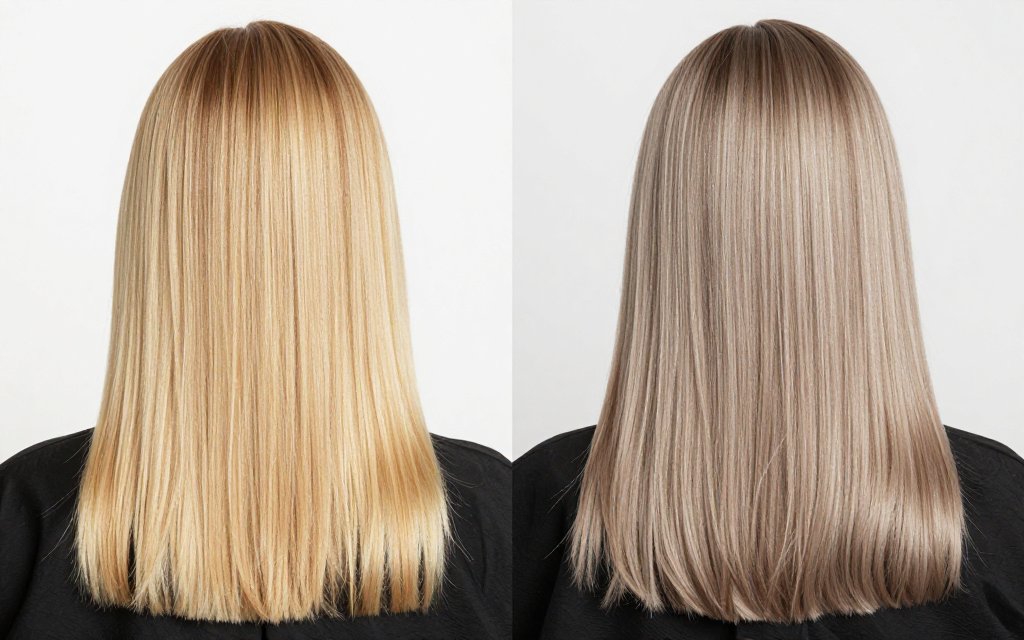
Match the bottle to the fade. Bright yellow after bleach calls for a strong violet, while a soft warm cast on natural blonde needs a gentler one so you do not overcool it. For smoky tones, a purple shampoo for ash blonde hair keeps the color from sliding warm between salon visits.
Platinum and silver clients lean on the deepest pigments because pale hair shows every degree of warmth. An ash blonde purple shampoo used twice a week is usually enough, and if your undertone runs cool to begin with, matching the color to your skin helps it hold. See our guide to hair color for warm and cool skin tones for that call.
| Warm tone | Canceled by | Use this |
|---|---|---|
| Yellow | Violet | Violet shampoo |
| Orange | Blue | Blue shampoo |
| Pale yellow | Deep violet | Toning gloss |
When to Use Toner for Brassy Hair
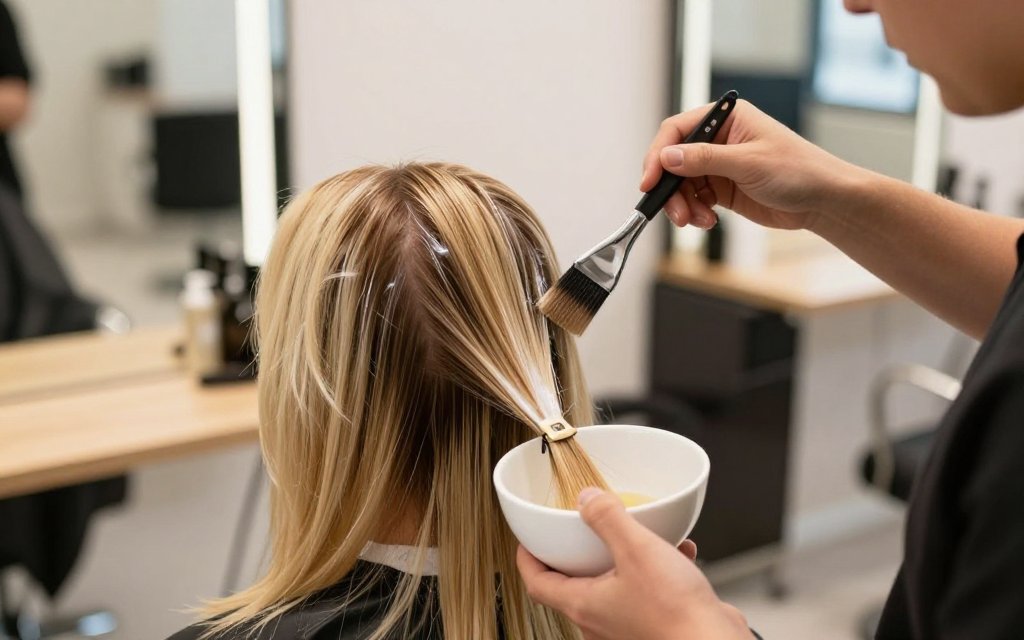
When the bottles stop keeping up, it is time to book a salon toner. It deposits a semi-permanent tint that neutralizes brass across the whole head at once, something a wash-in product can only fake. It is the reset that buys you weeks of even color.
Toner is not permanent. Demi and gloss formulas fade in about two to three weeks, while a permanent toner holds four to six, so most people rebook every four to six weeks. A professional toning service averages 63 dollars in the United States and runs from about 12 to 93 dollars depending on where you live, per StyleSeat pricing data.
Run the math and the two approaches pair up rather than compete. A cheap bottle of pigmented wash can stretch a 63 dollar salon toner from six weeks toward ten, which is one or two fewer appointments a year. A clear gloss or glaze at the salon can also seal the tone for an extra four to six weeks.
| Service | Color lasts | Rebook |
|---|---|---|
| Demi gloss | 2 to 3 weeks | 3 to 4 weeks |
| Permanent toner | 4 to 6 weeks | 4 to 6 weeks |
| Home toning wash | 3 to 4 washes | 2 to 3 weekly |
A sheer salon glaze can lock in your tone for an extra four to six weeks before brass starts to return.
Preview a Cooler Color Before You Commit
Before you commit to going lighter or cooler, it helps to see the shade on your own face instead of a swatch. Warm brass reads very differently on deep brunettes than on copper and auburn shades, and a cool ash can wash out fair skin when the undertone is off.
That is where a try-on saves money. With Fravyn you can preview 29 hair colors and more than 50 styles on a photo of yourself in seconds, so you walk into the salon knowing whether ash blonde or a warmer beige actually suits you. Browsing first also cuts the corrections that create brass in the first place. Start on the aihairfilter.com site.
Common Questions About Brassy Blonde
What does purple shampoo actually do?
It deposits a sheer violet pigment that cancels the yellow tones brass leaves behind, so blonde reads cooler and cleaner. It sits on the surface rather than lifting color, which is why the result is gradual and fades over a few washes. Think maintenance, not a full correction.
How do I fix brassy hair between salon visits?
Use a pigmented wash two to three times a week, rinse in cool water, and add a clarifying shampoo weekly if you have hard water. Violet handles yellow, blue handles orange. If the warmth is deep or uneven, that is the signal to book a toner instead.
Does blue shampoo work on orange brass?
Yes. Orange sits opposite blue on the color wheel, so a blue shampoo for brassy hair neutralizes the orange that brunettes and darker blondes tend to get. A violet formula would barely touch that range, so match the pigment to the tone you actually see in the mirror.
How often should you tone at home?
For most people two to three times a week is plenty. Daily use on pale or damaged hair can leave a lilac cast, so start light and add sessions only if the warmth returns fast. If a faint tint builds up, one clear wash lifts it back out.
Ready to see how a cooler blonde or a warmer brunette looks on you before you touch a bottle of bleach? Try Fravyn and preview 50+ styles and 29 colors on your own photo in seconds, then take the winning shade to your colorist. Get the app here: iOS.
Try a New Hairstyle Today
Preview 50+ hairstyles and 29+ colors on your own photo with Fravyn.