Protein or Moisture? The 2 Minute Hair Test
Not sure whether your hair needs protein or moisture? This quick 2 minute elasticity check plus a simple symptom scan helps you decide between a protein treatment or a deep moisturizing mask, then shows you how to rebalance without making hair stiff or limp.
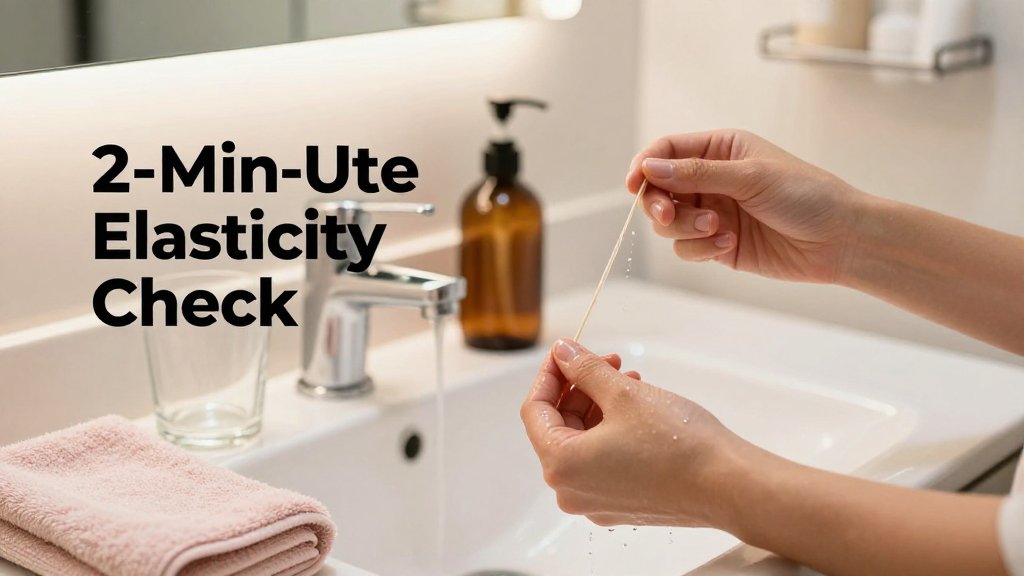
If your hair swings between dry, straw-like roughness and soft, stretchy mush, you are not imagining it. Those ups and downs usually point to an imbalance between protein and moisture, and guessing can make things worse. In this article, you will learn a simple 2 minute elasticity test you can do in your bathroom to identify what your strands need right now. You will also get a clear symptom checklist and an easy, no drama routine for choosing the right mask or treatment.
Do the 2 minute protein vs moisture hair test
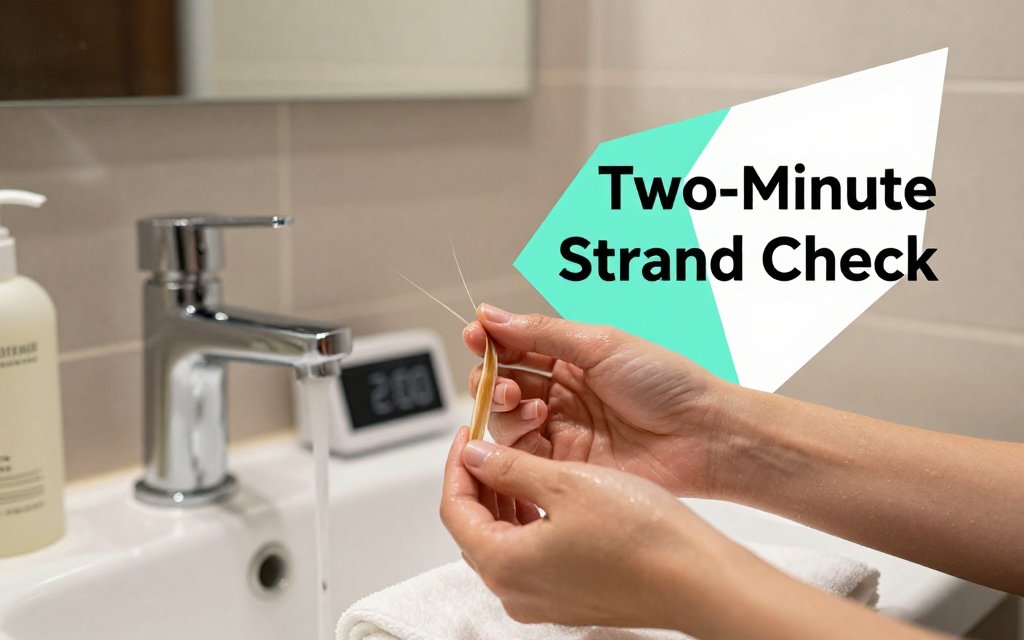
In 2 minutes, stretch-test one wet strand, then double-check how your hair feels while rinsing, to decide if you need protein (more strength and structure) or moisture (more softness and slip). You will get the clearest read right after shampoo, before heavy conditioners and stylers can mask what your hair is actually doing. The goal is not a perfect “diagnosis” forever, it is a fast, repeatable snapshot you can run any wash day, especially before a big change like going platinum, growing out curls, or trying a sleek wedding updo that needs hair with bounce and hold. Keep your expectations realistic: curly, bleached, and heat-styled hair can all feel confusing, so you will use two cross-checks to avoid the most common wrong call.
The hair elasticity test, step by step
Start in the shower right after shampooing. Skip a heavy mask, butter, gel, or oil until after you test, because coatings can make hair feel “slippery” even when it is fragile underneath. Grab 1 to 3 shed hairs from your hands, or pinch a tiny strand from a hidden spot like the nape, behind the ear, or under a top layer part. Wet the strand fully, then blot it once on a towel so it is damp, not dripping. Hold it between both hands with a little space between your fingers, and pull apart slowly for about 2 seconds. Slow and gentle matters because a quick jerk can snap even healthy hair.
Read the result in three buckets. If it snaps fast with almost no stretch, your hair is behaving brittle, which usually points to needing more moisture and gentler handling (especially if you have been heat-styling, rough towel-drying, or brushing while wet). If it stretches a little and springs back close to its original length, that is the sweet spot, your hair has both flexibility and structure. If it stretches a lot and stays elongated, looks stringy, or feels like overcooked noodles, that often points to needing protein or bond support, which is a common post-bleach issue and can also happen if you have been layering super rich conditioners for weeks. Test two areas if your hair is mixed-texture or highlighted.
Wet behavior is more revealing than dry touch because water temporarily changes how the hair fiber moves, so elasticity issues show up fast. Dry hair can feel “crispy” just from product cast, or feel “soft” from silicones, while the damp stretch test shows whether the strand can flex without failing. Porosity also affects what you see: high-porosity hair (often from highlights, sun, or frequent hot tools) can swing between roughness and gummy stretch depending on what it absorbed that day. If you want to match products to how quickly your hair takes on and loses water, take our hair porosity quiz for products after you run this test.
Two quick cross checks that prevent wrong calls
Cross-check 1 takes 10 seconds during rinsing. Run your fingers down a small section while water is flowing. If it feels slimy, gummy, or overly stretchy, it can signal over-moisturized, over-processed, or swollen hair that needs more structure, not more softness. If it feels squeaky, rough, or “grabby,” that usually signals you need more moisture and slip, plus a gentler routine. One easy way people misread this: testing right after a strong clarifying shampoo. Clarifiers can leave hair feeling squeaky even when protein is the bigger issue, so if you clarified today, repeat the test on the next wash. Another common trap is testing hair coated in oils or silicone serums, which can hide true elasticity and make everything feel smoother than it is. If gummy wet hair sounds familiar, hygral fatigue symptoms are worth reviewing so you can spot the pattern early.
Cross-check 2 happens after air-dry, and it is key for curls and coils. Let one small section air-dry with no cream or gel, then observe. If it dries puffy, frizzy, and feels rough at the ends, you are likely missing moisture, or your cuticle is lifted and needs more conditioning plus gentler detangling. If it dries limp, overly soft, and your curl pattern will not hold definition (waves fall flat, curls look fluffy but unsupported), you likely need more protein or a strengthening step. Curly hair is often misread because shrinkage can make strands feel “tight,” which some people mistake for protein overload. Bleached hair is often misread the opposite way, because gummy stretch makes people panic and pile on oils, which can add slip but not fix the lack of structure. Heat-styled hair can also trick you: a smooth blowout can look healthy while the wet strand test shows breakage starting.
If your strand snaps fast and feels rough in the rinse, reach for moisture and gentler handling. If it stretches too far, feels gummy, and dries limp, add protein or bond support. Always retest next wash before changing everything.
Once you have your “lean,” keep your fix simple for the next 1 to 2 wash cycles, then retest. For moisture-leaning hair, think hydrating conditioner plus a leave-in with slip (look for glycerin, panthenol, aloe, or fatty alcohols), and lower the heat on tools if you are chasing a glassy bob or a smooth bridal bun. For protein-leaning hair, try a light protein conditioner or a targeted treatment once, then follow with moisture so you do not swing too far into stiffness. Product examples people often recognize include a quick protein reconstructor (like Aphogee Two-Step used carefully) or a bond-builder step, paired with a simple moisturizing conditioner after. If you are experimenting with new looks, like curtain bangs, a shag, or a high-contrast color refresh, this 2-minute test helps you prep your hair so the style holds better and your ends look healthier in photos.
Symptoms: protein overload hair vs over moisturized hair
Think of your 2 minute strand test as a quick translator for what your hair has been “saying” all week. If your hair looks frizzy, it can be either problem. Over moisturized, overly elastic hair can puff up because it has no structure to hold a smooth shape. Protein overloaded hair can frizz because it is rough and rigid, so it catches and scatters light instead of laying flat. Even breakage is not a slam dunk sign, because hair can snap from being too stretchy (not enough strength) or from being too stiff (not enough flexibility). The key is matching what you see and feel to what your strand did when it stretched and tried to bounce back.
The situations that push you toward “needs protein” often involve hair that has been softened and weakened: bleach, highlights, frequent flat ironing, or aggressive wet detangling that stretches fragile strands. Swimming can muddy the picture, because pool exposure often leaves hair feeling drier and rougher afterward, especially if you skip a rinse and conditioner step. Dermatologists note that chlorine can dry hair, which can make you reach for more masks, which can then swing you too far in either direction. On the flip side, a curly routine packed with leave-ins, creams, and butters can make fine hair look dull and “wet” even when it is fully dry.
How to tell if hair needs protein
Hair that needs protein usually feels almost too soft when it is wet. In the shower, it can feel a little gummy, like it is stretching instead of gliding, and it may take forever to feel “rinsed clean” even if you did not use a heavy mask. During your strand test, it stretches far and keeps stretching, then it either does not bounce back or it breaks after a long pull. You might notice your curl pattern will not hold, even with a gel you normally trust, like a strong-hold curl gel or mousse. After conditioner, the ends can turn stringy, as if small sections are separating into thin, see-through tails.
Breakage from low structure often looks like tiny mid-shaft snaps. You will see short, uneven pieces that do not match your typical shedding length, and they can show up after wash day or after brushing wet hair. Common triggers are color services that lift and swell the cuticle (bleach, high-lift color, heavy highlighting), repeated heat styling (flat iron touchups, hot brush passes, too-hot blowouts), and routines that are “moisture on moisture” with very little reinforcement. If you are doing lots of co-washing, weekly deep conditioning, daily leave-in refreshes, and detangling in the shower with tension, weak hair can start behaving like overcooked pasta.
If this sounds like you, protein does not have to mean a scary, crunchy mask. Start small and targeted. Try one protein step every 1 to 2 weeks, then reassess, especially if you have fine hair or loose waves that get weighed down. Look for labels that mention hydrolyzed keratin, hydrolyzed wheat protein, silk amino acids, or collagen in a rinse-out conditioner or a lightweight mask. Follow protein with moisture the same day, because strength without softness can flip into stiffness fast. If you are planning a big style moment (engagement photos, a bridal updo, or a bold copper gloss), do your “balance fix” at least a week before, so your hair behaves predictably.
Protein overload symptoms people ignore
Protein overload usually feels like stiffness first, not dryness first. Your hair can feel straw-like at the ends, rough through the mid-lengths, and weirdly tangly even right after conditioner. The strand test tends to show the opposite of the “gummy stretch” problem: the hair barely stretches, then it snaps quickly. People often miss the early warnings because curls can look defined at first, almost like you got extra shrinkage and hold, but the definition is brittle. If you run your fingers down a curl, it may feel tight and wiry, and you may hear or feel little snaps when you comb, scrunch, or separate.
This overload pattern often shows up after repeated keratin services, “strengthening” shampoos, bond-building routines, and protein masks layered close together, especially if you skip true moisture steps because you are chasing a sleek look. A common example is highlights plus weekly repair masks plus a keratin smoothing product, then daily heat styling. Another is low porosity hair that does not absorb product well, so protein-heavy formulas sit on the outside and leave a rigid coating. The fix is usually to pause protein for a bit, clarify to remove buildup, and lean into flexible moisture (hydrating conditioner, a light mask, and a leave-in that does not feel waxy). Once your hair bends again, you can reintroduce protein slowly.
What to do next: mask or protein treatment routine
After you do the quick stretch test, your next wash day should feel more predictable, not like a haircare roulette spin. Think of the next step as a single correction, then a gentle reset. If you choose moisture, expect softer ends, more slip while detangling, and less frizz right after styling. If you choose protein, expect less “gummy” stretch, more spring-back, and curls or waves that hold shape longer. The goal is not perfect hair in one night, it is getting back to a middle zone so your haircut, color, and style choices (sleek bob, shag, twist-out, curtain bangs) actually behave the way you want.
A simple damaged hair repair routine that rebalances fast
Start with one decision rule and commit to it for the next wash day only. If your hair feels gummy, over-stretchy, or takes forever to bounce back, do a light to medium protein treatment next. Many protein masks work well in 5 to 15 minutes, especially on fine hair or loose curls that get weighed down fast. If your hair feels stiff, rough, or “crunchy” even when it is clean, do a deep moisturizing mask next, usually 10 to 20 minutes. Either way, rinse really well and skip stacking five other treatments afterward, because that is how people swing from too soft to too brittle in one week.
Frequency is where most routines go off the rails. For the first two weeks, aim for one targeted treatment every 2 to 4 washes, not every wash, and not three treatments in one weekend. On your other wash days, use a normal conditioner and focus on technique: detangle with a gentle, wide-tooth comb or flexible brush while the conditioner is in, then rinse with lukewarm water. Keep leave-in conditioner to mid-lengths and ends only, especially if your roots get oily or your curls collapse. If you must clarify (heavy silicone build-up, lots of dry shampoo), do it less often than you think, then follow with a regular conditioner, not a second mask.
Curly and coily hair usually needs both strength and hydration, just in smaller, steadier doses. If your curls feel limp and over-stretched, pick a protein treatment that lists hydrolyzed proteins (keratin, wheat, silk, collagen) but keep the timing on the shorter end, then style with a water-based leave-in and a gel for hold. If your curls feel wiry or rough, reach for a rich conditioner with fatty alcohols (cetyl, stearyl) and humectants, then seal ends with a light cream. Fine hair often does better with shorter processing times and lightweight formulas, while color-treated hair benefits from lower heat styling, a heat protectant every blowout, and fewer harsh shampoos so your tone stays brighter.
FAQ: Protein vs moisture hair questions, answered
If you have ever “fixed” your hair and then accidentally broke it again two wash days later, you are not alone. The trick is using clear guardrails: one main treatment per wash day, reassess after the first style day, and keep a small notebook note in your phone about what you used and how it felt dry. Also remember that your goal changes with your style. A glassy, flat-ironed look needs strength plus heat protection. A bouncy blowout needs softness without heaviness. A defined curl routine needs enough protein for structure, plus enough moisture for elasticity. Use the questions below to pick a calm, repeatable schedule.
How often should I do a protein treatment vs a deep conditioner?
A practical starting point is protein every 2 to 4 washes and deep conditioning every 1 to 2 washes, then adjust based on feel. If hair stretches too far before breaking or feels mushy, add protein next wash day (5 to 15 minutes). If hair is stiff, rough, or tangles like Velcro, do moisture next (10 to 20 minutes). Common mistake: doing both heavy protein and a heavy mask back-to-back for “extra repair.” Instead, alternate, and give your hair one full wash cycle to show you the result.
Can curly hair be over moisturized, and what does it look like?
Yes, and it often shows up as curls that feel very soft but will not hold shape. Signs include limp roots, curls that stretch longer than usual, stringy clumps, and definition that disappears by midday even with gel. Another clue is wet hair that feels “too stretchy” with very little snap-back. The fix is not stripping shampoo and panic, it is adding a light protein step once, then simplifying moisture products for a week. Common mistake: layering leave-in plus cream plus oil daily, which can keep hair overly pliable and heavy.
Is a bond builder the same as a protein treatment?
No. Bond builders target certain types of hair damage differently than protein does, and many bond builders do not add protein at all. For example, OLAPLEX’s FAQ explains that its Nº.0 treatment does not contain protein, which helps clear up the common confusion. A simple rule: use protein when you need structure (less stretch, more strength), use moisture when you need flexibility (softness, slip), and use bond builders as a separate repair lane. Layer carefully by not combining a strong protein mask and a bond treatment on the same day unless your hair is extremely compromised.
Ready to see how a new hairstyle looks on you before you commit? Try Fravyn and preview 50+ styles on your own photo in seconds, so you can explore cuts, colors, and protective styles with confidence. Download the app here: iOS. Pick a style, upload a photo, and get a realistic try-on in moments.
Try a New Hairstyle Today
Preview 50+ hairstyles and 29+ colors on your own photo with Fravyn.