Pixie Bob and Long Pixie Cut by Face Shape
A pixie cut flatters different faces in very different ways. See how the pixie bob, long pixie cut, and textured crop suit round, square, heart, and oblong shapes, with real trim schedules and salon costs.
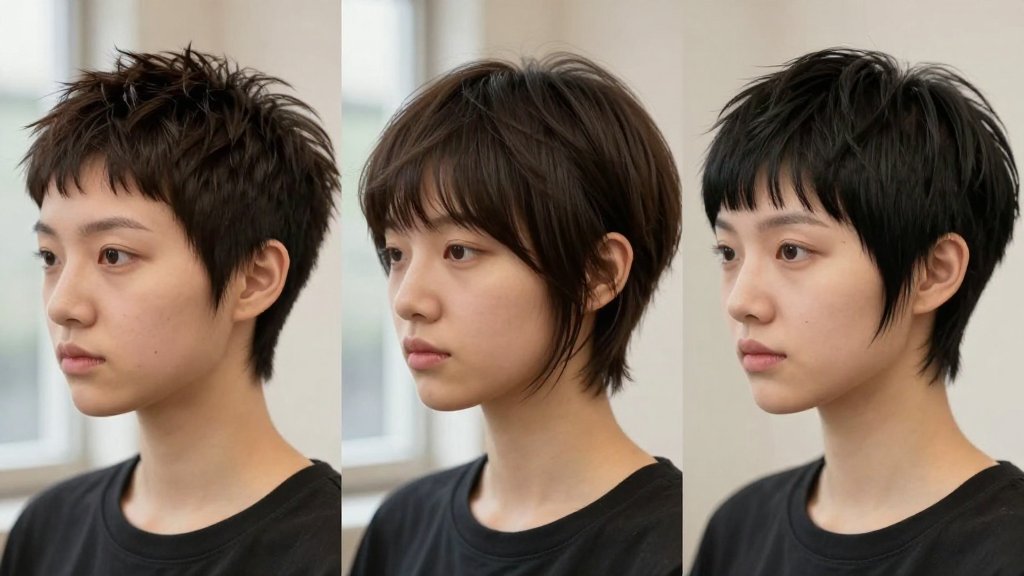
A pixie cut looks easy on the right person, but the version that flatters you depends almost entirely on your face shape. The same crop that sharpens a round jaw can widen a square one, and a long pixie cut that softens strong angles can overwhelm a petite frame. Getting the details right is what separates a great short haircut from a regret.
This guide sorts the pixie family by face shape, from the cropped classic to the grown-out pixie bob, and shows how a virtual hairstyle try-on can preview each one before a stylist picks up the shears. Every number here comes from stylist advice and real maintenance data, not guesswork.
The Pixie, Long Pixie, and Bixie Explained
The pixie family is really a length spectrum. A classic pixie keeps the back and sides short, usually under an inch, with more length on top to style. A long pixie leaves two to four inches through the crown and fringe, which reads softer and more versatile. The pixie bob, sometimes called a bixie, sits closer to the ears and nape, and our bob shape comparison shows where it overlaps with a true bob.
Because the shapes differ, the pixie haircuts that flatter each face differ too. A face-framing long pixie suits angular features, while a cropped, textured pixie highlights delicate bone structure. Knowing where your cut sits on that spectrum is the first real decision.
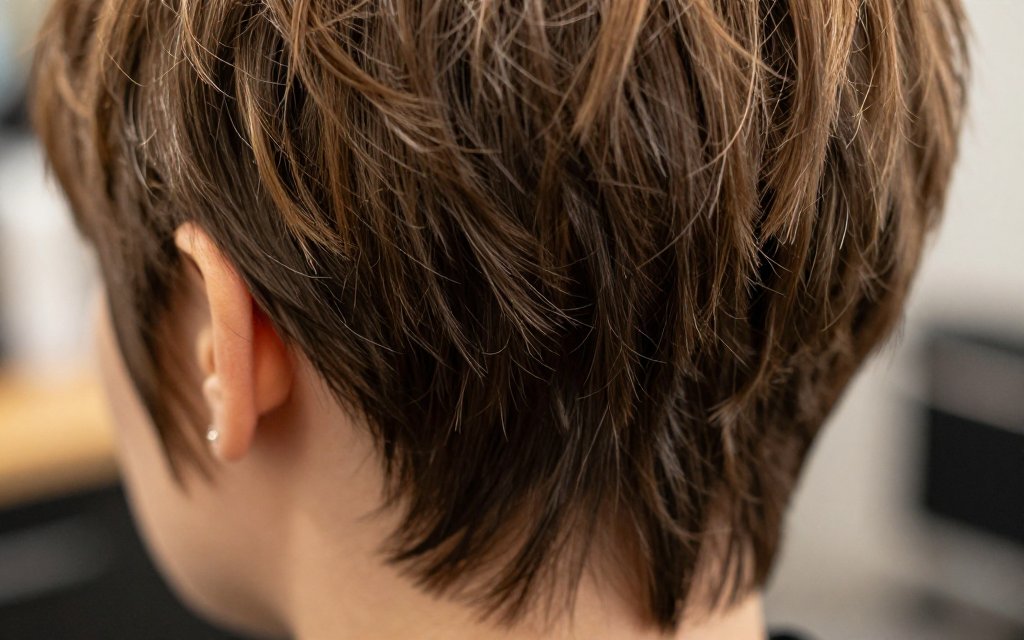
Pixie Cut for Round Face Shapes
On a round face the goal is vertical lines with no width at the cheeks. Stylists build height into the crown and keep the sides close, which draws the eye upward and slims the face. A long, side-swept fringe near the eyes narrows it further, and an off-center part adds a diagonal the round shape lacks.
Skip the blunt, uniform crop. A round-face pixie should stay piecey and asymmetric so nothing reads circular. If you love length, a rounded long pixie with volume on top elongates the face while still feeling soft.
On a round face the fix is vertical. Height at the crown and close sides do the slimming, so a pixie cut for round face works with structure, not extra length.
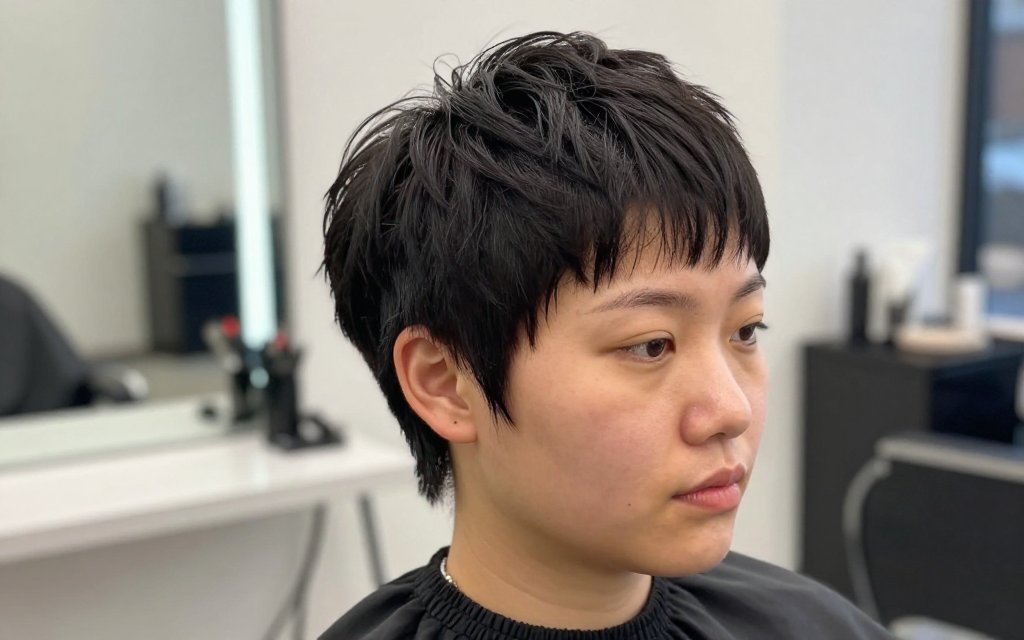
Square, Heart, Diamond, and Oblong Faces
A square face carries weight at the jaw, so the pixie cut for square face leans longer and softer than a round crop. Wispy, side-swept fringe and pieces that fall past the jaw break up the corners. Steer clear of sleek, blunt shapes that echo the angles you want to soften. Our square face haircut guide covers longer options too.
Heart-shaped faces
Heart shapes run wider at the forehead and narrow to the chin. Keep volume low near the jaw and let a side-swept fringe break up the brow line. A rounded long pixie balances the point of the chin without piling width on top.
Diamond face shapes
Diamond faces pair a narrow forehead with wide cheekbones, so fringe does the corrective work. A full or side-swept front adds forehead width, and soft layers around the cheeks keep the middle of the face from dominating.
Oblong and oval faces
Long, oblong faces want a horizontal fringe to cut the length, never a tall crown. Oval faces are the exception: nearly every shape works, so this is the face that can chase the boldest crops and the shortest short haircut ideas for women. Prefer shaggy layers over a crop? The wolf cut by face shape is the longer cousin worth a look.
Diamond and oblong faces almost always need a fringe. The bangs do the balancing that length would otherwise handle on a longer cut.
Short Pixie Cut vs Long Pixie Cut
The length you pick sets your whole routine. A short pixie needs a trim every three to four weeks to hold its shape, and it shows every styling choice. A longer pixie is more forgiving, stretching to five or six weeks between trims, with pieces you can tuck, sweep, or texturize.
Budget follows length. Shorter crops mean more frequent salon visits, so the cheaper cut can cost more across a year. If you travel often or hate long styling mornings, the grown-out option usually wins.
| Pixie length | Trim cycle | Grow to bob |
|---|---|---|
| Cropped pixie | 3 to 4 weeks | 6 to 9 months |
| Classic pixie | 4 to 6 weeks | 6 to 9 months |
| Long pixie | 5 to 6 weeks | 3 to 6 months |
| Pixie bob | 6 to 8 weeks | 2 to 4 months |
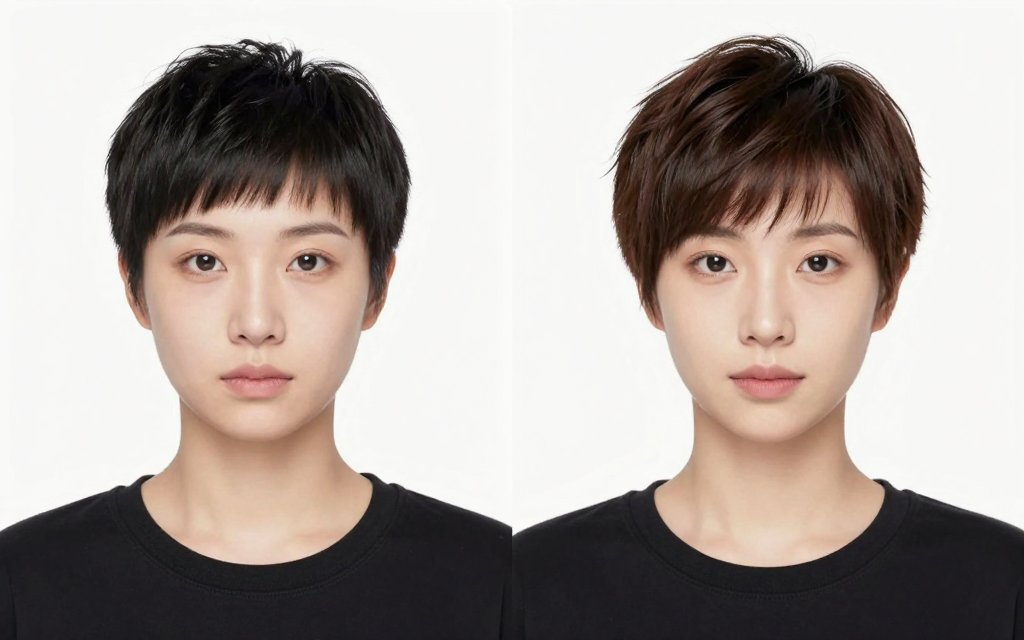
Textured Pixie and Curly Short Haircuts
Texture changes how a crop behaves. A textured pixie cut uses point-cutting and layers so the ends separate into piecey movement instead of a solid cap. It hides thinning, fakes density, and styles in minutes with a little paste.
Curls play by their own rules. Curly short haircuts for women rely on shape and dryness more than length, cut to let each coil spring where it wants. A little extra length keeps the curl pattern intact, so a rounded long pixie or pixie bob often beats a tight crop on textured hair.
Cost and Maintenance of Pixie Haircuts
A pixie is low effort but not low upkeep. Because the shape grows out fast, most stylists suggest a trim every four to six weeks, or every three to four for a sharp cropped look. Skip it and the clean outline turns shaggy within a month.
Cost swings by city and stylist. A basic pixie runs about thirty to sixty dollars, a layered cut forty-five to eighty, and an asymmetrical shape sixty to one hundred, according to salon pricing roundups. In New York or Los Angeles the same cut can reach one hundred to two hundred dollars, so build the trim cycle into the yearly total.
| Pixie type | Salon cost | Trim weeks |
|---|---|---|
| Basic pixie | $30 to $60 | 4 to 6 |
| Layered pixie | $45 to $80 | 3 to 5 |
| Asymmetrical | $60 to $100 | 3 to 4 |
| Big city cut | $100 to $200 | 4 to 6 |
Hair grows about half an inch a month, so a pixie reaches bob length in roughly six to nine months and shoulder length in twelve to eighteen.
Planning the grow-out helps you skip the worst of the awkward months. The grow-out timeline falls into three clear stages you can style around.
Common Pixie Questions, Answered
Does a pixie suit a round face?
Yes, with the right shaping. A round face wants height at the crown, close sides, and a long side-swept fringe so the cut adds vertical lines. Avoid a blunt, uniform crop, which only repeats the round outline. A rounded long pixie with volume on top is the safest bet.
How often do I trim a pixie bob?
Plan on every six to eight weeks for a pixie bob, since the longer shape holds up better than a cropped pixie. If you like a crisp perimeter, tighten that to five or six weeks. Between visits, a dab of paste keeps the ends from looking overgrown.
Can I grow a long pixie into a bob?
Absolutely. Hair grows roughly half an inch a month, so a long pixie reaches bob length in about six to nine months. The awkward bixie phase hits around months three to six, when a volumizing mousse and a good side part carry you through.
Ready to see how a new pixie looks on you before the big chop? Fravyn lets you preview more than 50 styles and short crops on your own photo in seconds, so you can test a round-face pixie or a longer, grown-out style risk free. Get the app here: iOS.
Try a New Hairstyle Today
Preview 50+ hairstyles and 29+ colors on your own photo with Fravyn.