Pick a hair color for fair skin that will not wash you out
Fair skin does not limit your options, but the wrong shade drains your face. Here is how to match hair color to your undertone and contrast, which shades flatter cool, warm and olive fair skin, and what a color change really costs.
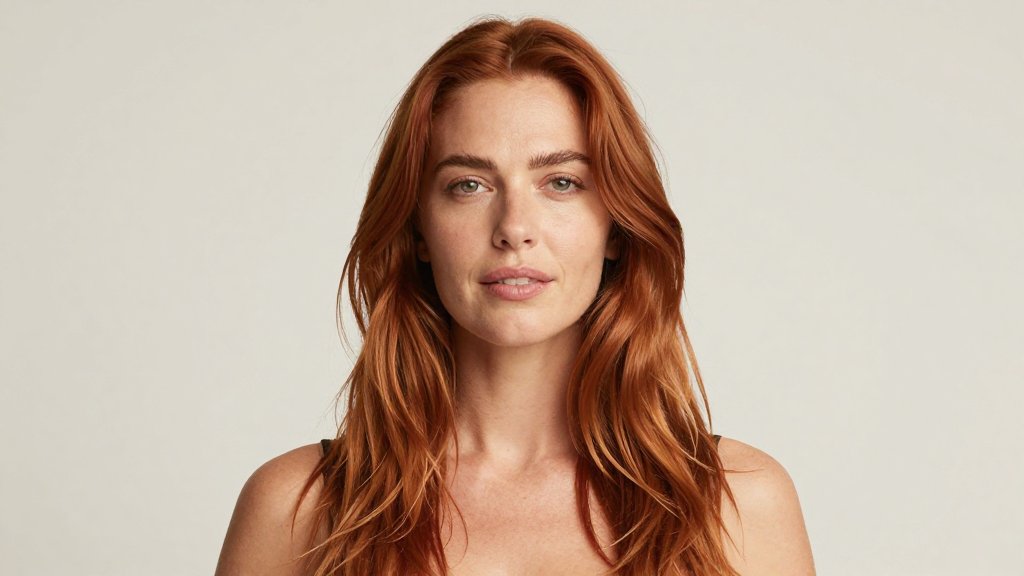
If your face looks tired the second you go darker, your complexion is not the problem. The wrong hair color for fair skin pulls color out of your face and leaves you looking washed out, while the right shade does the opposite and makes you look rested. Fair skin is not limited. It just reacts fast, so small choices show up big.
The trick is not going lighter or darker on instinct. It comes down to two things: your undertone, and how much contrast sits between your hair and your skin. Get those right and hair colors for pale skin can run from icy platinum to deep espresso without draining you. Get them wrong and even a pretty shade fights your face.
What washing out actually looks like
Washing out is what happens when your hair and skin share the same lightness and the same undertone, so your features stop standing out. Very pale skin next to a flat ashy blonde can read as one pale blur. The same face under a warm honey blonde looks brighter, because the gold adds back the color your skin does not have.
It shows up first around the eyes and mouth. Undereye shadows look grayer, lips look paler, and you reach for more blush to compensate. None of that is your skin changing. It is the hair color for light skin bouncing the wrong light onto your face.
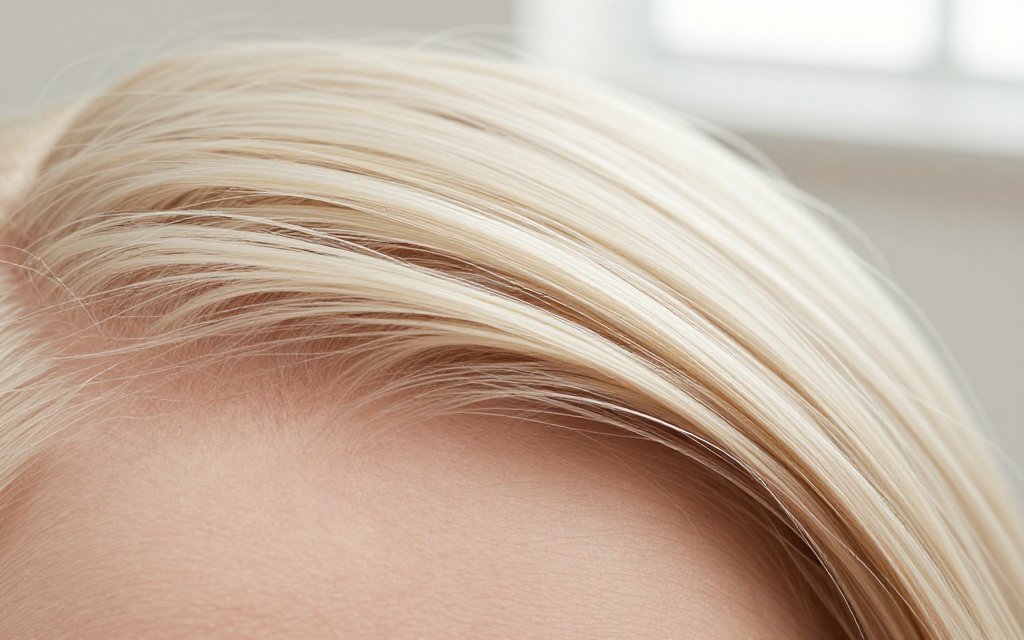
A shade that makes you reach for more blush is a shade working against your face, not with it.
How to find your undertone before you touch a box of dye
Fair skin comes in cool, warm, and neutral, and that undertone decides everything. Cool skin has blue, pink, or porcelain hints. Warm skin has peach, gold, or a light golden cast. Neutral sits in between. Here is how to find your undertone in about a minute, using tests colorists actually use.
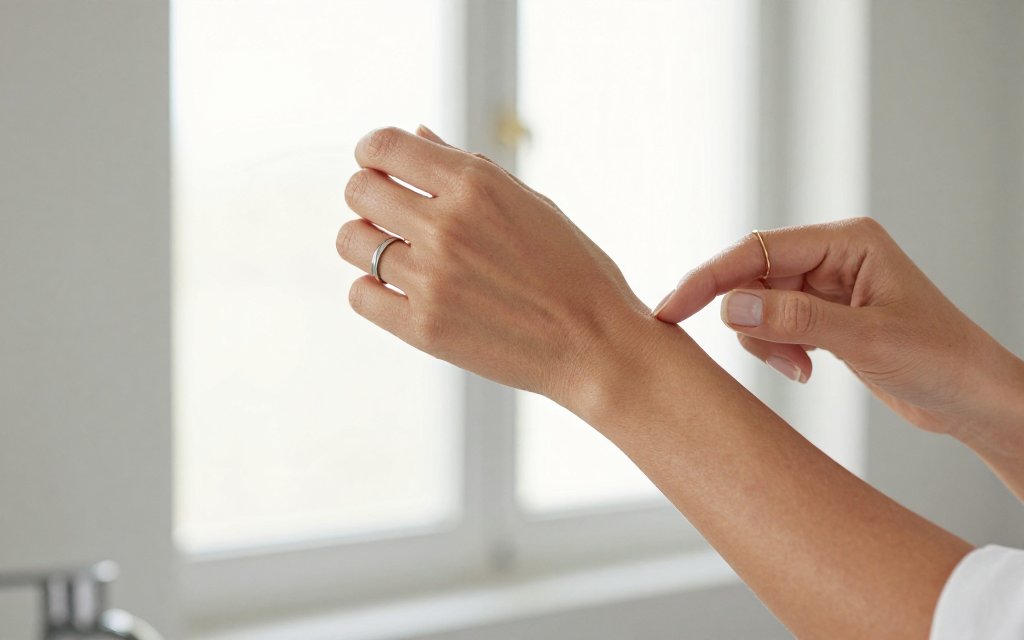
The three second vein test
Turn your wrist to natural light near a window. Blue or purple veins point cool, green points warm, and a blue-green mix points neutral. Revlon and most colorists start here because it takes three seconds and it is hard to fake.
The jewelry test
Hold silver against your face, then gold. Cool skin looks brighter and cleaner next to silver, while warm skin looks healthier next to gold. If you own both and wear both happily, you probably lean neutral, and the cool vs warm skin tone debate stops mattering for you.
The best hair color for fair skin with cool undertones
If you are cool and pale, lean into shades with blue or ash at the base so they echo your skin instead of clashing. The best hair color for cool undertones keeps pale skin crisp: cool browns, ash blondes, and true reds. For deeper drama, burgundy, cool black, and violet brown flatter cool skin without the orange cast that reads harsh on you.
Skip warm honey and golden tones here. On cool skin they can turn brassy fast, and fixing brass is the most common reason people book a toner. If you want a hint of warmth, a soft cool caramel is about as far as you should push it.
The best hair color for fair skin with warm undertones
Warm fair skin has gold or peach in it, so gold in your hair looks natural rather than added on. This is where the best hair color for warm undertone earns its place: golden brown, honey blonde, rich copper, toffee, and warm chestnut all brighten a warm complexion. The same logic drives every good hair color for warm skin tone, from strawberry blonde to auburn.
Rich copper especially reads healthy on warm pale skin because it matches the peach already in your face. If you want depth instead of brightness, a dimensional warm brunette gives the same glow without the upkeep of blonde.
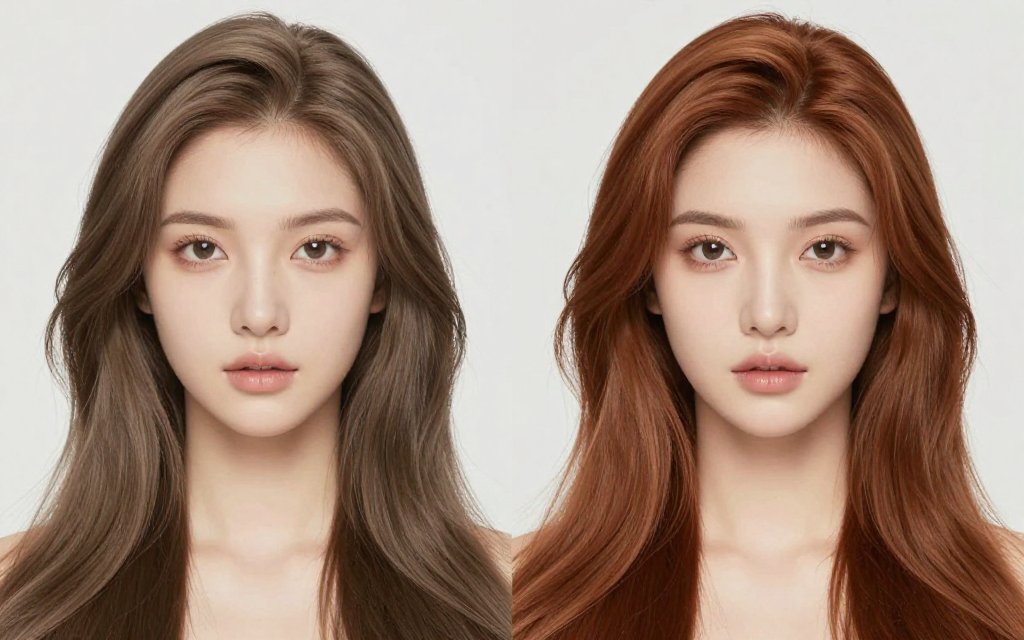
Copper on warm pale skin borrows the peach your face already has, which is why it looks healthy instead of costume.
Shades that flatter light skin, and the ones that fight it
Depth matters as much as undertone. Very fair skin with low contrast features, meaning light brows and lashes, can vanish under jet black. Very fair skin with dark brows can carry deeper color because the contrast is already there. That is why hair color for light skin is a two part answer: undertone first, contrast second. A cut that suits you helps too, so it is worth finding your face shape before the salon.
Fair is not the only pale category people mix it up with. If your skin reads slightly green or golden in photos, you are closer to a light olive, and the best hair color for olive skin leans warm and rich rather than icy. Golden brown and warm chestnut flatter olive far more than ash does. You can test any of these on your own photo with the color try-on at aihairfilter.com before you book.
What a new color costs, and what a bad one costs more
Here is the part most style guides skip. Picking the right shade the first time saves real money. A single all-over color runs about $55 to $180, and root touch-ups run $55 to $135 every four to six weeks, based on Yelp data from more than 7,000 real quotes. Balayage costs more up front at $148 to $375 but only needs a refresh three or four times a year, so it is cheaper to keep up over twelve months.
Go too dark or too ashy for your fair skin and the fix is not cheap. Color correction to lighten box dye, cancel brass, or undo a shade that washed you out averages about $210 and ranges from $68 to $405 depending on where you live. A heavy correction can take two or three sessions spread over weeks to protect your hair.
| Service | Typical price | Upkeep |
|---|---|---|
| Root touch-up | $55 to $135 | Every 4 to 6 weeks |
| All-over color | $55 to $180 | Every 6 to 8 weeks |
| Balayage | $148 to $375 | 3 to 4 times a year |
| Color correction | $68 to $405 | 1 to 3 sessions |
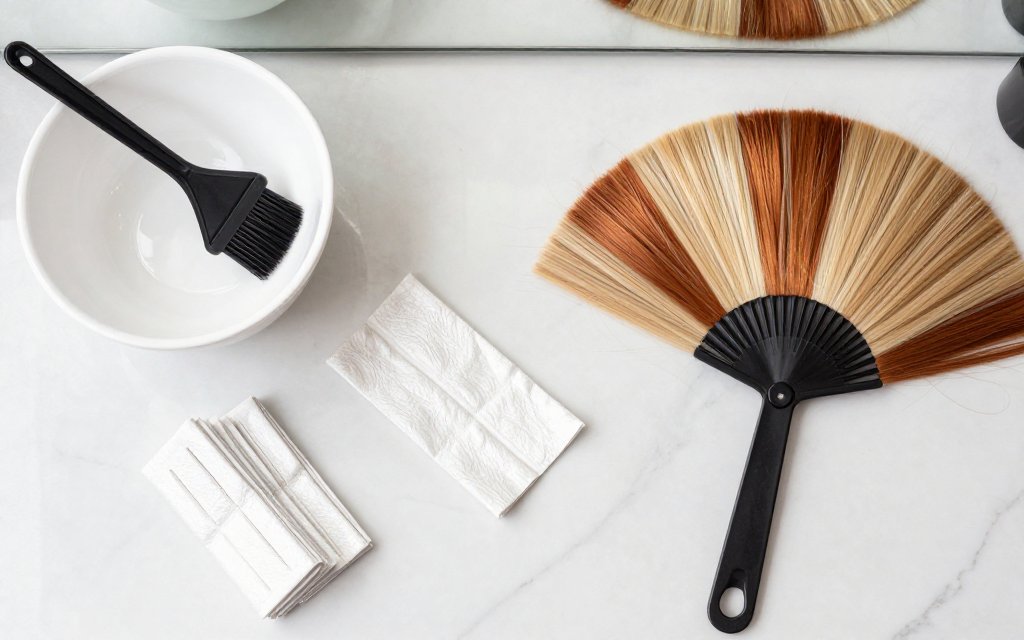
The cheapest hair color is the one you pick correctly the first time, because color correction averages $210 and climbs from there.
Common questions about hair color for fair skin
How do I know if I have cool or warm undertones?
Check your veins in natural light and your jewelry preference. Blue or purple veins and a lean toward silver mean cool, while green veins and a lean toward gold mean warm. If the signals split, you are neutral and can wear both the best hair color for cool skin tone and warmer shades.
Can fair skin pull off dark brown or black hair?
Yes, if your natural contrast supports it. Fair skin with dark brows and lashes carries espresso and soft black well. Fair skin with pale brows tends to look overpowered, so a deep cool brown is usually safer than true black.
What hair color makes pale skin look less washed out?
Add warmth or contrast. For warm undertones, honey blonde and copper put color back in your face. For cool undertones, a richer cool brown adds contrast without brass. The worst offender for pale skin is a flat shade at the exact lightness of your own skin.
Is olive skin the same as fair skin?
Not quite. Olive skin has a green or gold cast and usually reads a shade deeper, so hair color for olive skin leans warm and dimensional rather than icy. Truly fair skin has less of that cast, which is why very light cool shades work on fair skin but can gray out olive.
Ready to see how a new hair color for fair skin looks before you commit? Fravyn lets you preview 50 plus styles and colors on your own photo in seconds, so you can test a copper or a cool brown against your real complexion instead of guessing in the salon chair. Get the app here: iOS.
Try a New Hairstyle Today
Preview 50+ hairstyles and 29+ colors on your own photo with Fravyn.