Low Porosity Hair vs High Porosity Hair Care
Not sure if your hair is thirsty or just coated? Learn how to check hair porosity at home, why the float test misleads, and the exact routine for low porosity hair versus high porosity hair.
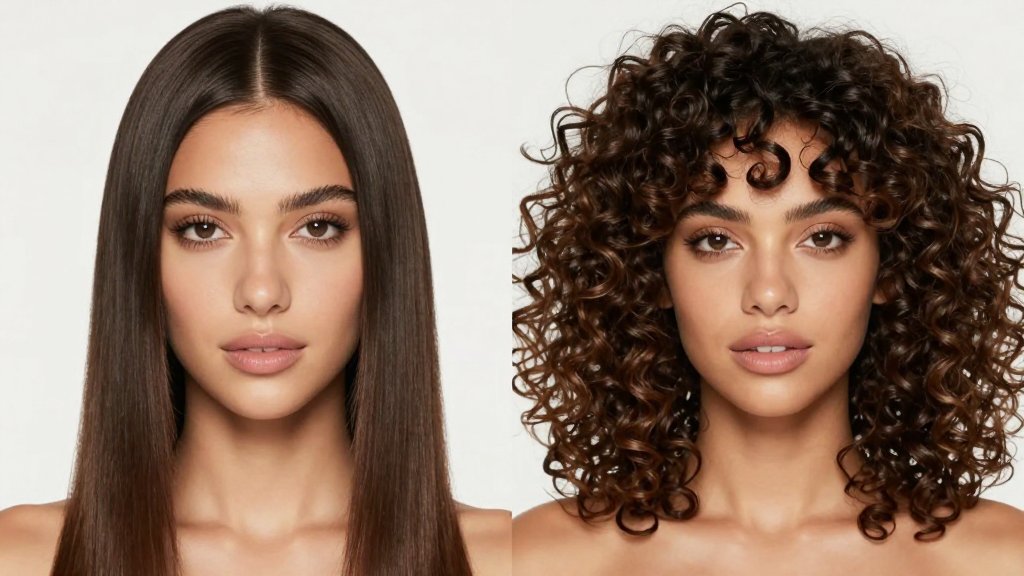
Your shampoo works, your masks cost a fortune, and your hair still feels dry or greasy in all the wrong places. The missing piece is often porosity. Learning whether you have low porosity hair or high porosity hair changes which products actually reach the inside of each strand.
Hair porosity describes how easily moisture moves through the outer layer of your hair, called the cuticle. Get it right and a cheap conditioner can outperform a luxury one. This guide covers how to check your type at home, why one popular test is unreliable, and the exact care routine for each level.
What Hair Porosity Actually Means
Each strand has three layers. The cuticle is the shingled outer coat, the cortex holds most of the protein and pigment, and the medulla is the soft core. For water or conditioner to hydrate your hair it has to slip past the cuticle and reach the cortex, as Healthline explains.
When those cuticle scales lie tight and flat, you have low porosity hair. When they sit raised or cracked, you have high porosity hair. Medium porosity hair falls in between, with scales loose enough to let moisture in and snug enough to hold it.
Your cuticle is the gatekeeper. When it lies flat, water struggles to get in. When it lifts, water floods in and escapes just as fast.
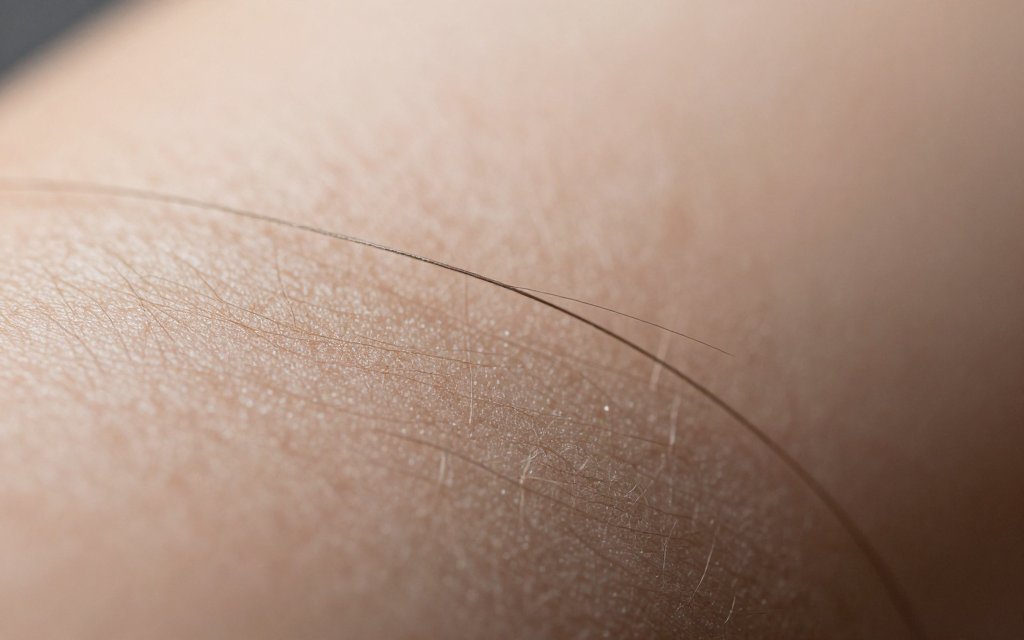
How to Check Hair Porosity at Home
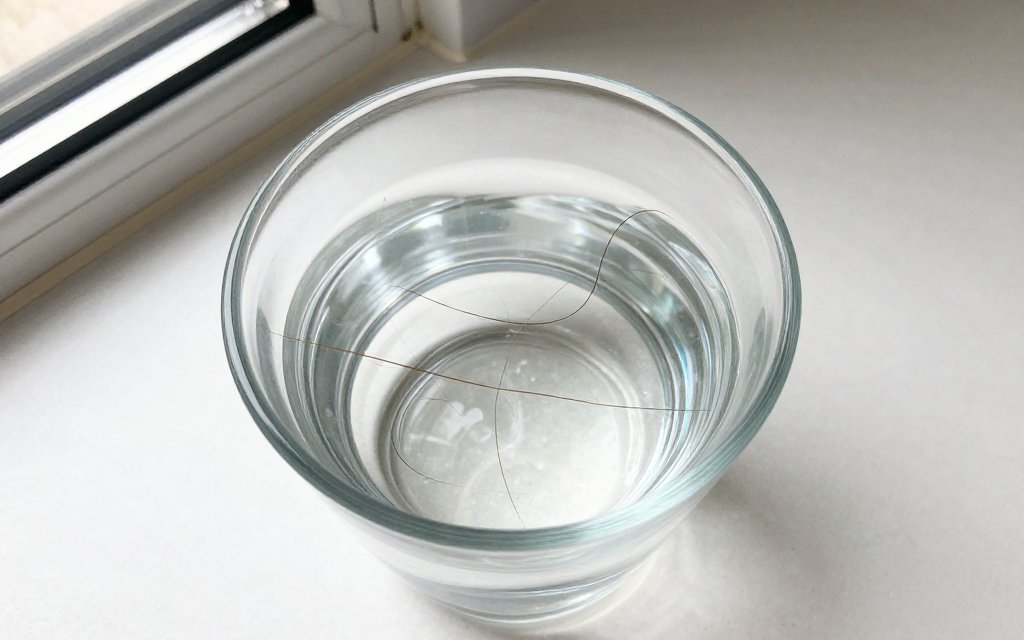
You cannot see a cuticle without a microscope, so most people check hair porosity by watching how their strands behave. The best known method is the float test, and you can run it with nothing more than a glass of water.
There is also a slip test. Slide two fingers up a single strand toward the root. A smooth glide means the cuticle is sealed and tight, while a rough, bumpy feel means it is raised and open.
The float test went viral around 2014, yet it mostly measures surface tension, not how much water your hair absorbs. Run it at least three times before you trust the result.
Why the Float Test Often Lies
Here is the catch. A clean, dry strand tends to float for the first minute no matter its porosity, because you are watching surface tension on the water, not moisture soaking in. As salon chemists point out, the float method is not taught in regulated cosmetology programs, so treat a single hair porosity test as a hint and pair it with how your hair truly behaves.
Low Porosity Hair: Signs and Care
The low porosity hair meaning is simple: tightly bound cuticles that block water from getting inside. Strands feel coated, water beads on the surface, and a wash can take hours to dry. Because product sits on top, buildup is common, which is why the protein and moisture balance matters so much here.
Products for Low Porosity Hair
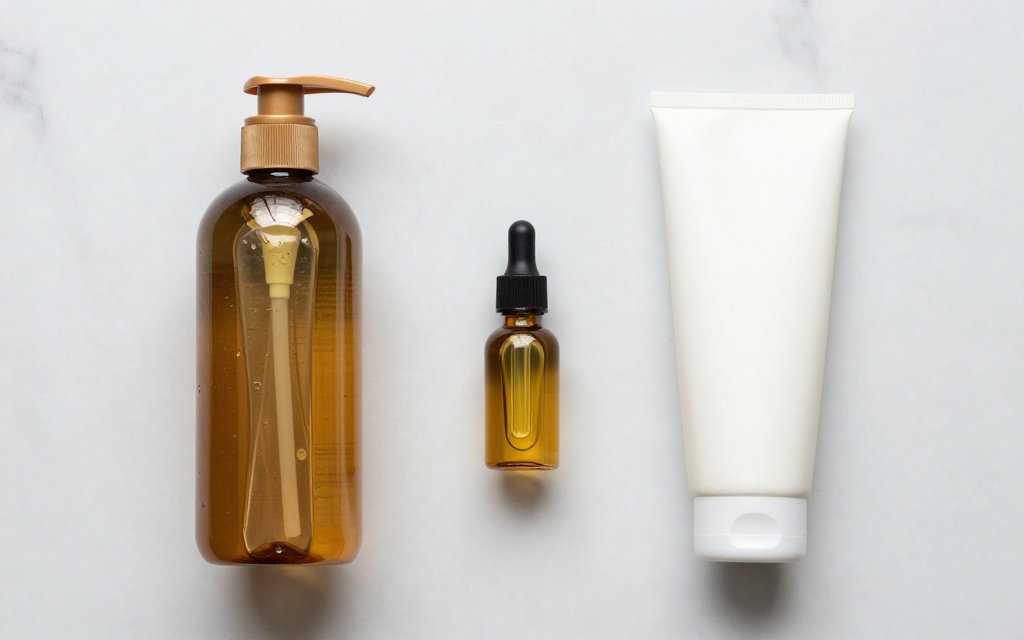
Warmth is your ally. A 15 minute steam or a warm towel over a conditioning mask relaxes the cuticle so moisture can finally enter, a routine many stylists recommend. Reach for lightweight, water-based formulas, use a clarifying shampoo for low porosity hair once a week to clear residue, and add a few drops of jojoba oil for low porosity hair to seal hydration without weighing strands down.
High Porosity Hair: Signs and Care
All hair is porous. Damaged hair is simply more porous, because heat, color, and bleach pry the cuticle open and leave gaps behind.
High porosity hair has raised or broken cuticles, usually from heat tools, color, bleach, or sun. It drinks up water fast and loses it just as quickly, which shows up as frizz, tangles, and split ends. Curly and wavy textures often skew this way, so the tips in our frizz-free diffusing guide apply here too.
Products for High Porosity Hair
Layering is the strategy for porous strands. A good leave in conditioner for high porosity hair goes on first, then a cream, then an oil or butter to lock the cuticle down using the LOC order. Rinse with cool rather than hot water, use a heat protectant before styling, and refresh faded tone with a gloss, glaze, or toner.
Medium Porosity Hair and the Balanced Routine
Medium porosity hair is the easiest to manage. The scales are loose enough to absorb moisture and tight enough to keep it, so a light leave-in and a wash every two to three days usually keeps it happy. Bond-repair products help hold that balance when you color or heat style.
Whatever your level, matching hair porosity products to your cuticle beats buying by brand hype. Porous hair needs sealing, while tight cuticles need gentle heat and weekly clarifying. You can see how different looks suit you at aihairfilter.com before you spend on new bottles.
| Porosity | Water Test | Key Routine |
|---|---|---|
| Low | Floats, dries slow | Clarify weekly, steam 15 min |
| Medium | Sinks slowly | Light leave-in, wash 2-3x |
| High | Sinks fast | Seal with oils, cool rinse |
Match Your Style to Your Porosity
Porosity also shapes which cuts and colors hold up. Porous strands grab color fast and can fade or turn brassy, so a toner keeps them true, while tightly sealed cuticles may need gentle warmth for even coverage. Before you commit to bleach that raises porosity for good, it helps to see the change first. With Fravyn you can preview 50+ hairstyles and 29+ colors on your own photo, so a bold move stays low risk.
Frequently Asked Questions
How do I check hair porosity without a test?
Watch your everyday hair. If water beads on the surface and washes take hours to dry, your cuticles are probably tight and closed. If your hair soaks up water at once and frizzes as it dries, it leans porous and thirsty. These daily signs are steadier than one float test.
What does low porosity hair mean?
It means the cuticle scales lie flat and tightly packed, so water and product struggle to get inside. This hair often looks shiny but feels dry, resists color, and collects residue quickly. Gentle heat during conditioning helps open the door.
Can hair porosity change over time?
Yes. Genetic porosity stays roughly fixed, but damage from bleach, heat, and sun raises it over time and turns healthy strands into high porosity hair. Bond-repair and protein treatments patch some of the gap, though a trim is often the fastest reset.
Ready to see how a fresh cut or color looks on you before you commit? Fravyn previews 50+ styles and 29+ shades on your own photo in seconds, so you can choose with confidence whatever your hair type. Get the app here: iOS.
Try a New Hairstyle Today
Preview 50+ hairstyles and 29+ colors on your own photo with Fravyn.