Low fade haircut and low taper fade suit thin hair
A low fade haircut keeps length on top and tapers the sides just above the ears. Here is how the low taper fade, drop and skin versions differ, who they suit, and what the upkeep really costs.
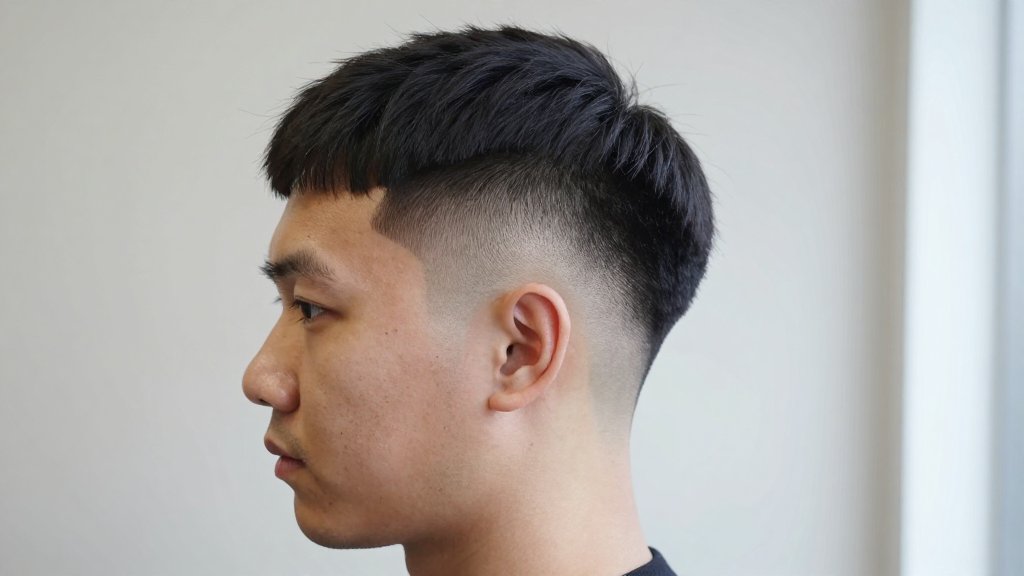
A low fade haircut trims the sides down close to the skin just above your ears, then leaves the hair on top long enough to style. It's the reason the low taper fade turned into the most requested men's cut of the year, and the shape treats thin hair far more kindly than the scalp-baring high fades a lot of barbers reach for first.
The appeal is simple. This cut grows out softly instead of leaving an obvious shelf, so you can stretch three weeks between chair visits instead of two. That gap matters once you notice a single barber trip runs $25 to $60 before the tip, which is where most of the money in this haircut actually goes.
What a low fade haircut is and where the line sits
The fade line on this cut sits about half an inch to an inch above the ear, per barber guides like Cultured Grooming, with the blend spread over one to two inches of vertical space. Everything below that line drops toward the skin. Everything above it keeps length, which is why the top still reads as a regular haircut from the front.
The low placement is the whole point. Because the shortest hair hides down by the neckline, the cut looks understated in an office and still sharp in photos. Barbers call the lowest, cleanest version a low skin fade, where the hair meets bare skin right at the bottom.
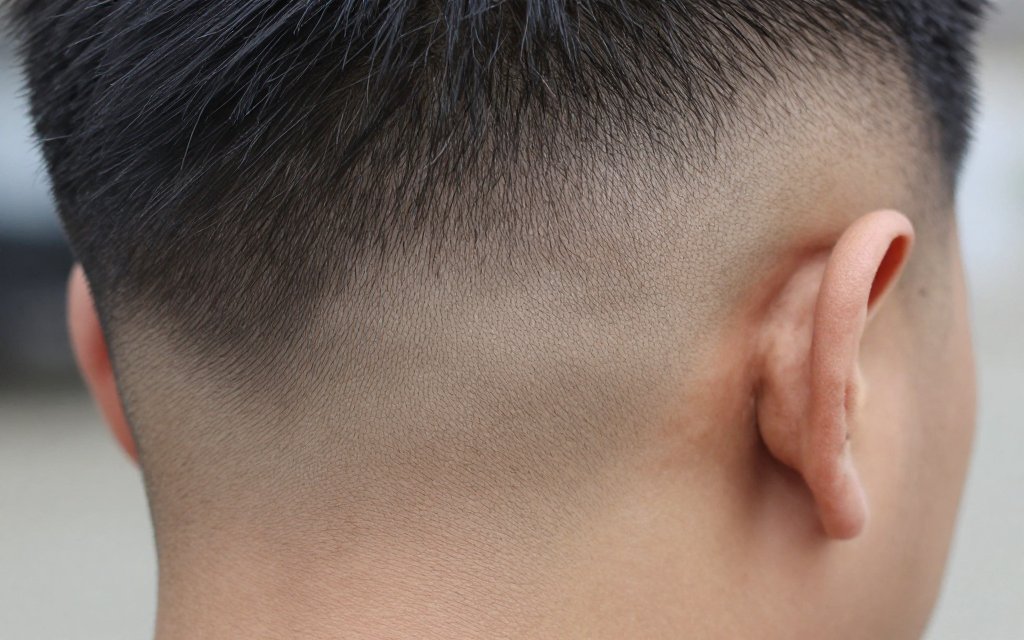
The fade line sits roughly one inch above the ear, while a high fade starts two to three inches up near the temple.
Low fade vs high fade and where each one starts
Here's the difference in one line. The low version starts just above the ears, while a high fade begins high on the side near the temples and races down to the skin fast. Leaving more hair on the sides means the contrast with the top stays gentler, and the grow-out is much more forgiving.
Which fade suits your face shape
Face shape decides a lot here. The cut softens a strong, square jaw, one reason it anchors our square face haircut guide, and it adds width low on a long face to balance the proportions, as Pall Mall Barbers notes. Round faces are the exception and do better with height, like the wolf cut. Not sure what you are working with, our face shape tape measure guide sorts it in five minutes.
| Fade type | Line height | Contrast |
|---|---|---|
| Low | About 1 inch up | Soft |
| Mid | At the temple | Balanced |
| High | 2 to 3 inches up | Bold |
| Skin | 1 inch to skin | Sharp bottom |
Types of fade haircuts in the low family
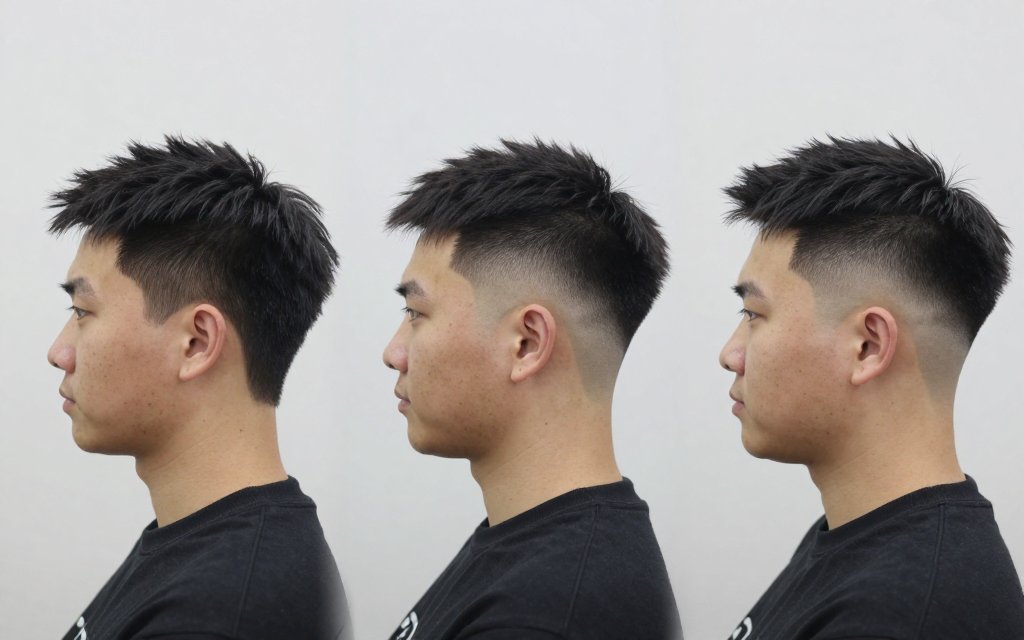
This cut is a family, not a single style. Once the line stays low, the shape of the blend and the finish underneath give you the named types of fade haircuts a barber will rattle off. These six come up the most.
Low taper fade and low drop fade
The low taper fade is the gentlest member. Its blend never goes shorter than a one or one-and-a-half guard, so it grows out cleanly and forgives a missed appointment. A low drop fade instead curves the line downward behind the ear, which frames the back of the head and pairs well with a textured fringe up top.
A low burst fade keeps that blend tight around the ear and leaves the back longer, a favorite with mullets and curly crops. The low skin fade sits at the other end, dropping to a zero guard for the cleanest edge. That sharpness costs you time, since skin needs a touch-up inside two weeks.
What a low fade costs and how often you will sit down
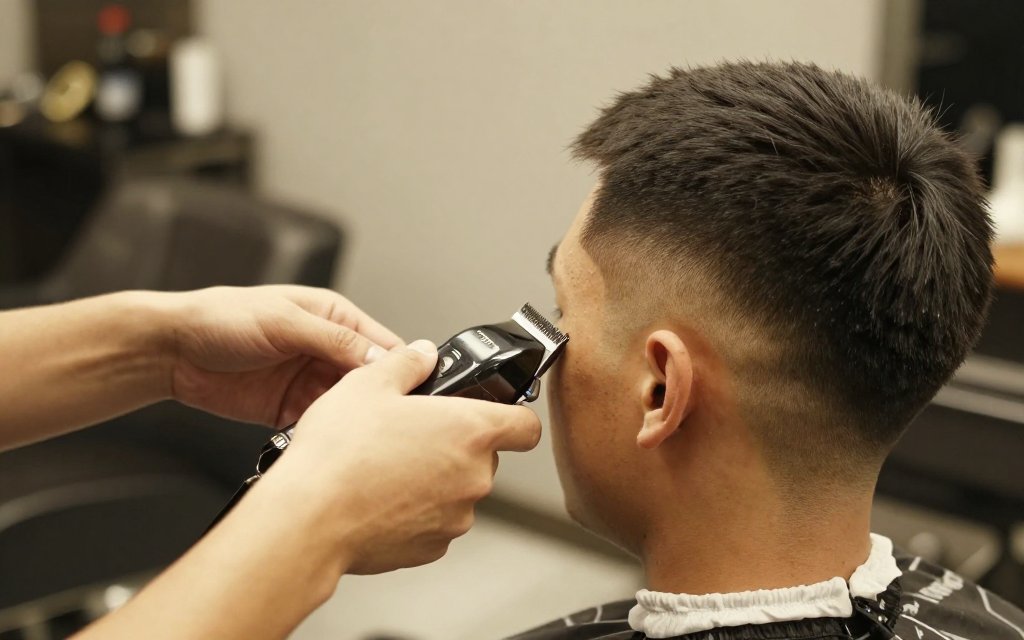
This is where the cut earns or loses your money. A basic version runs about $25 to $35, a mid fade $30 to $45, and a skin fade $35 to $60, based on Buzz Cutting. City shops sit at the top of those ranges, and downtown San Francisco routinely hits $60 for a plain fade.
Frequency is the real cost driver. Most guys refresh every two to three weeks, the taper stretches to three or four, and a skin fade needs attention inside two weeks to stay sharp. At $40 a visit on a three-week cycle, that adds up to close to $1,000 a year on cuts alone.
At $40 a cut on a three-week cycle, the fade adds up to close to $1,000 a year before you even tip.
| Fade type | Price range | Refresh |
|---|---|---|
| Low | $25 to $35 | 2 to 3 weeks |
| Mid | $30 to $45 | 2 to 3 weeks |
| Skin | $35 to $60 | Within 2 weeks |
| Taper | $25 to $40 | 3 to 4 weeks |
How to ask a barber for a low fade
Walk in knowing three things and you'll get the cut you pictured. Tell the barber where the fade should start, so say low, just above the ears, then how sharp you want the blend, and bring a reference photo. That last step does more than any words you can manage in the chair.
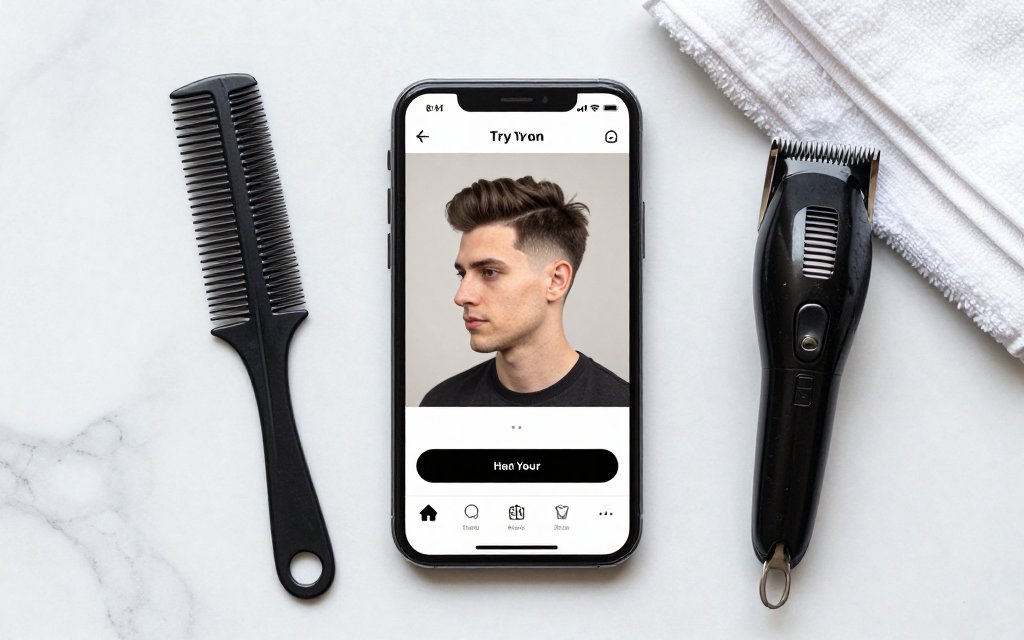
A photo of the exact fade on your own face beats a shot of a model with a different jaw. That is the gap Fravyn closes. You can preview the fade, a low taper fade, and a skin fade on your own photo in seconds. Open our virtual hairstyle try on, screenshot the one you like, and hand it to your barber.
Questions guys ask before the chair
Is a low fade good for thin hair?
Yes, and that is a big reason it is trending. It keeps visible length on the sides, so it does not expose the scalp the way a high or skin fade can on fine hair. Barbers often steer thin or fine hair toward a soft taper, which leaves the most weight behind.
How often do you need a low taper fade?
Plan on every three to four weeks. The soft, low blend grows out without a hard line, so it looks intentional longer than a skin fade, which needs a touch-up inside two weeks. Stretching past four weeks is fine if you are growing the sides out on purpose.
Low fade or low taper fade, which grows out better?
The taper wins on grow-out because its blend never drops below a one guard. A standard fade has more contrast, so it looks crisp on day one but shows regrowth sooner. If you hate frequent trims, the taper is the safer pick.
Ready to see how the cut lands on your own face before the clippers come out? Fravyn previews 50-plus styles, including the taper and a clean skin fade, on your photo in seconds, so you walk into the barber sure of the look. Get the app here: iOS.
Try a New Hairstyle Today
Preview 50+ hairstyles and 29+ colors on your own photo with Fravyn.