Lightweight products finally moisturize low porosity hair
Low porosity hair has a tight cuticle that leaves water and product sitting on top. Here is how a simple glass test, lightweight humectants, and a little warm heat finally get moisture in.
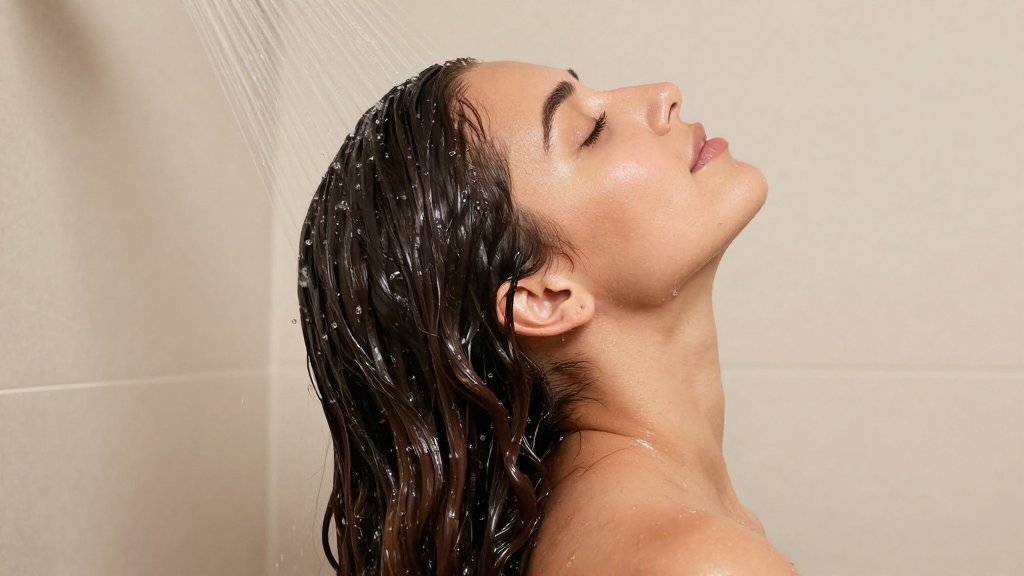
If your conditioner beads up and rolls off before it ever sinks in, you're probably dealing with low porosity hair. The strands are usually healthy and shiny, but the outer layer sits so tight that water and product stay on the surface instead of soaking in.
That surface problem is why a rich cream can leave hair feeling dry an hour after you smooth it on. The fix isn't more product. It's lighter product, warm water, and a little heat, and the difference shows up fast.
What low porosity actually means for your hair
Porosity is just how easily your hair takes in and holds water. This hair type has a cuticle, the shingle-like outer layer, that lies flat and overlaps so tightly there are almost no gaps for moisture to slip through, as Healthline explains. That tight seal is what makes the hair look smooth and glossy, and also what makes it stubborn about drinking anything in.
So the low porosity hair meaning comes down to a closed door, not damage. High porosity hair is the opposite, with a raised, gappy cuticle that soaks water up quickly and loses it just as fast.
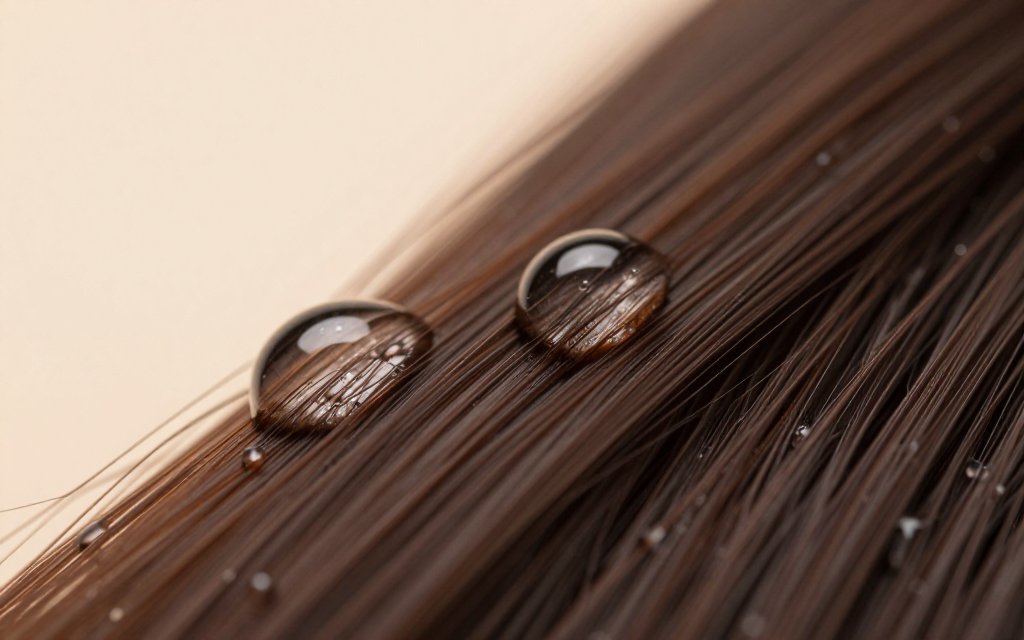
A tightly bound cuticle keeps the hair smooth and shiny, but it also locks moisture out at the door.
The glass test that shows your hair porosity
You can guess your type in a kitchen. Pull a few clean strands, drop them into a glass of room temperature water, and watch where they settle. In the L'Oreal Paris version of this hair porosity test, low strands float on top and barely absorb, medium strands sink after a minute or two, and high strands drop straight to the bottom.
Treat that as a hint, not a verdict. Healthline points out the float test isn't something experts consider scientifically validated, and buildup alone can make any strand float. Still, it's a quick way to check hair porosity before you spend money on the wrong bottle. You can find more hair care guides if you want to go deeper.
How to tell hair porosity without a glass
If you'd rather skip the glass, pay attention on wash day. Water that runs off instead of soaking in, and products that pill on the surface, both point to a tight cuticle. That is really how to tell hair porosity in everyday terms, no props required.
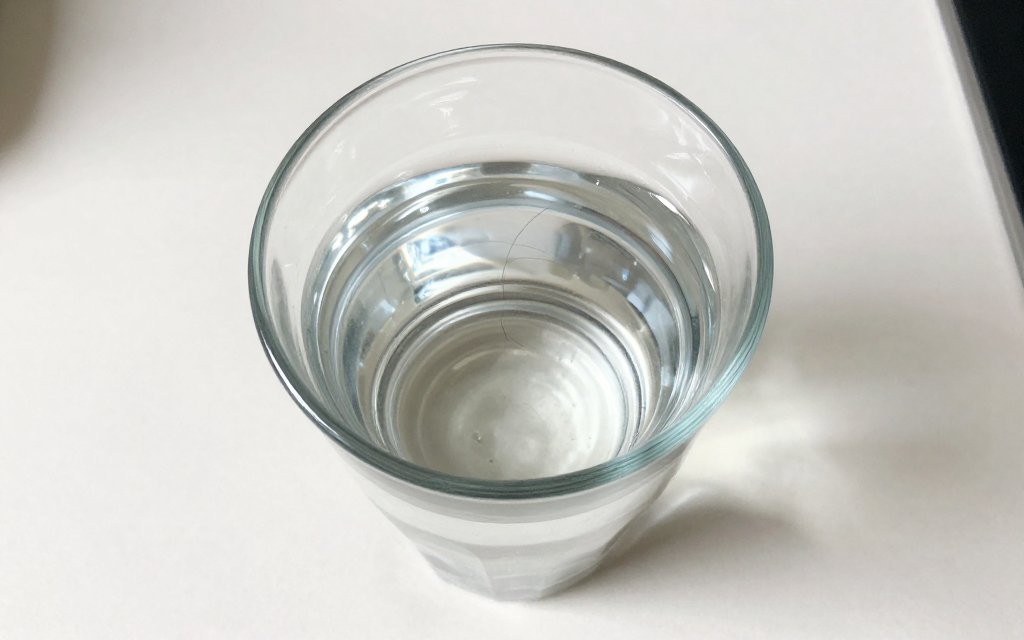
The float test is a hint, not a diagnosis. Buildup by itself can make a perfectly healthy strand sit on top of the water.
Low, medium, and high porosity compared
It helps to see the three types side by side, because they ask for almost opposite care. Very porous hair needs sealing and protein. A tight, low type needs warmth and humectants. Medium porosity hair sits in the easy middle and forgives most routines.
| Porosity | In water | What helps |
|---|---|---|
| Low | Floats on top | Warm water, humectants |
| Medium | Sinks after 1-2 min | Light, regular care |
| High | Sinks right away | Protein, sealing oils |
A protein treatment for high porosity hair helps rebuild a damaged, gappy cuticle. On tight strands that same protein can backfire and leave hair stiff, which is why the two types should never copy each other's routine.
Lightweight products that finally absorb
The goal is water first, held in place by something light, so read the label before you buy hair porosity products. Reach for lightweight products for low porosity hair that are water based and rich in humectants, the ingredients that pull water into the strand. A beginner's guide from Medanta names glycerin, aloe vera, honey, and panthenol as the ones that do this job.
Ingredients that draw water in
For sealing, a few drops go a long way. Jojoba oil for low porosity hair works because it is light enough to sit without smothering, and argan or grapeseed do the same. Skip heavy shea or mango butter as daily leave-ins, since they coat the cuticle and block moisture from getting in.
Ingredients and habits to skip
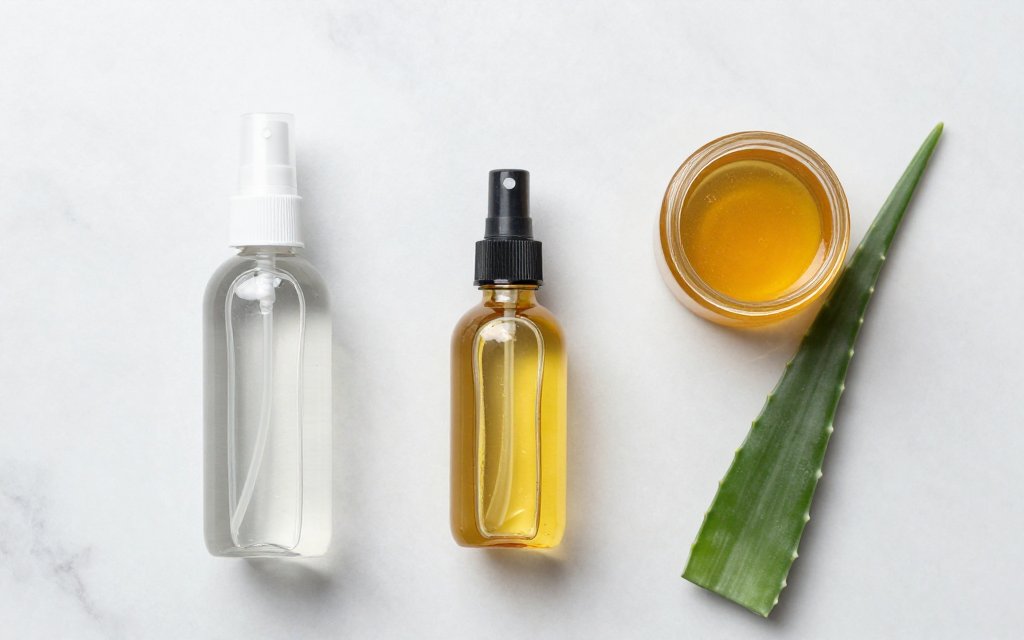
Think water first, oil last. On tight strands a pea size of jojoba seals moisture in without smothering it.
A low porosity hair routine built on gentle heat
Heat is the trick that changes everything for tight, low porosity strands. Warm water gently lifts that flat cuticle so product can reach the cortex, the inner core of the strand, while cold water clamps it shut. So wash and deep condition warm, not cold.
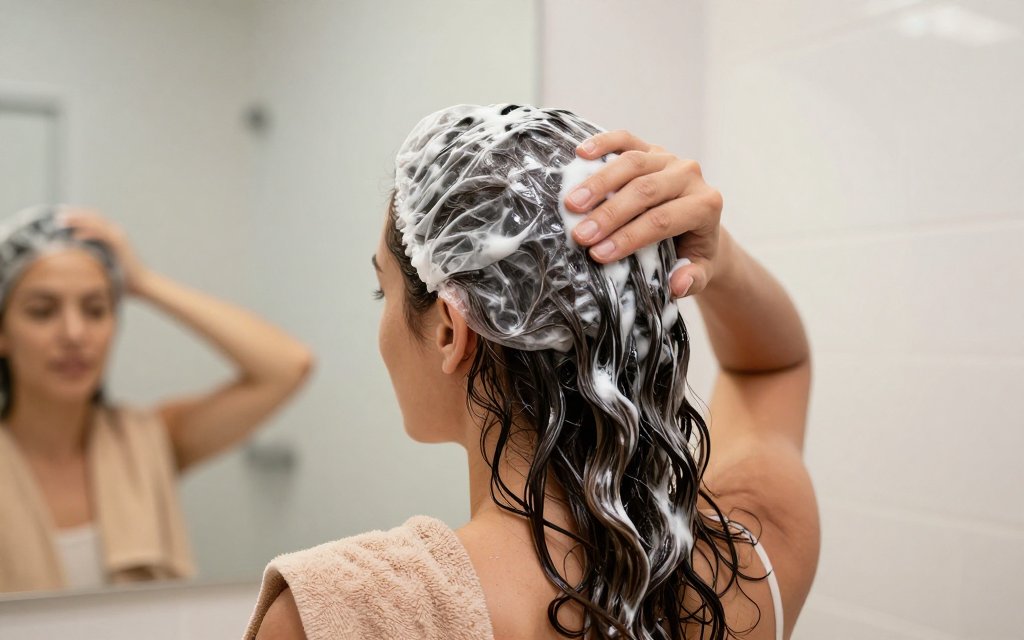
You do not need a machine for the heat. A steamer works, but a shower cap over a warm towel does the same job, and without any heat the conditioner just sits on the surface and rinses away. A cap you already own is the free version of a steam treatment.
Buildup is the enemy, because leftover product blocks the little absorption you have. Healthline suggests clarifying about once a week, while other guides say every two to four weeks, so adjust to how fast your hair starts to feel coated. Most people notice a difference within a few wash days.
What dryness costs you in time and money
The real price of getting this wrong isn't one bad product, it's a shelf of them. Heavy masks sold for dry hair often sit on top of tight strands, so the money rinses down the drain with the cream. Matching the routine to your porosity means you buy less and rewash less.
Time adds up too. When water takes longer to get in and hair dries slowly, a rushed wash day leaves product half absorbed and hair still thirsty. A warm rinse and a cheap shower cap fix more than another expensive jar will. Once your hair holds water again, it's a good time to play with a cut that suits your face shape.
The cheapest upgrade for tight strands is free. A shower cap you already own traps enough body heat to help conditioner sink in.
Low porosity hair questions, answered
Does low porosity mean my hair is damaged?
No. It usually comes down to genetics and a naturally tight cuticle, not damage. That's the opposite of high porosity hair, where a raised or broken cuticle from heat and color lets moisture rush in and back out, the same wear behind hair breakage.
Do I need a protein treatment if I have low porosity?
Usually not. A protein treatment for high porosity hair helps rebuild a gappy cuticle, but tight strands are often protein sensitive and can turn stiff after too much. Lead with moisture and humectants, and add protein only if your stylist points you there.
How often should I clarify low porosity strands?
Clarify whenever your hair starts to feel coated and products stop absorbing. That's about once a week for many people, or every two to four weeks if you use fewer styling products. A clean strand is the whole point, since buildup blocks the moisture you are trying to add.
Is jojoba oil good for tight, low porosity strands?
Yes, in a small amount. Jojoba is light enough to seal damp hair without smothering it, which is why it shows up in so many low porosity routines. Warm a few drops between your palms and smooth them over the lengths, not the roots.
Once your hair finally holds water, it's a fun moment to picture a new look. Fravyn lets you try 50 plus hairstyles and 29 plus hair colors on your own photo in seconds, so you can see a fresh cut or shade before you book anything, right from aihairfilter.com. Get the app here: iOS.
Try a New Hairstyle Today
Preview 50+ hairstyles and 29+ colors on your own photo with Fravyn.