Keratin Treatment Lasts Longer Than Hair Botox but Costs More
Keratin holds its smooth result for three to five months, while hair botox fades in one to two. Here is how the two compare on cost, formaldehyde safety, and which one actually suits your hair type.
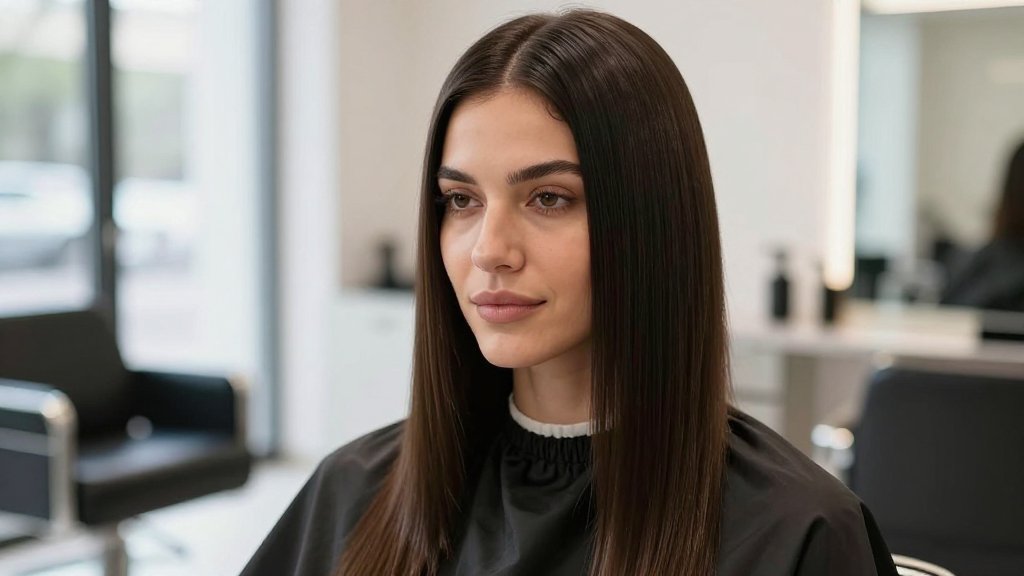
If you are staring down a frizzy summer and deciding between a keratin treatment and hair botox, the short version is this. The stronger service usually holds its smooth result for three to five months, while the gentler one fades in one to two. You pay for that extra mileage, because the longer lasting option runs higher at the register and carries a chemistry question the other one skips entirely.
Both promise glossy, calmer hair, but they are not the same product doing the same job. One rebuilds the surface with a protein and collagen conditioner. The other reshapes the hair shaft with a solution that usually relies on heat. Knowing which is which saves you money and a lot of regret at the mirror.
What These Two Treatments Actually Do
Despite the name, hair botox has nothing to do with injections or the wrinkle procedure. It is a deep conditioning mask, usually built around a collagen complex with caviar oil, antioxidants, and B5 and E vitamins. It coats and fills damaged fibers, adds shine, and softens frizz without changing your natural texture. That is why stylists reach for it on fine, colored, or wavy hair that needs repair more than straightening.
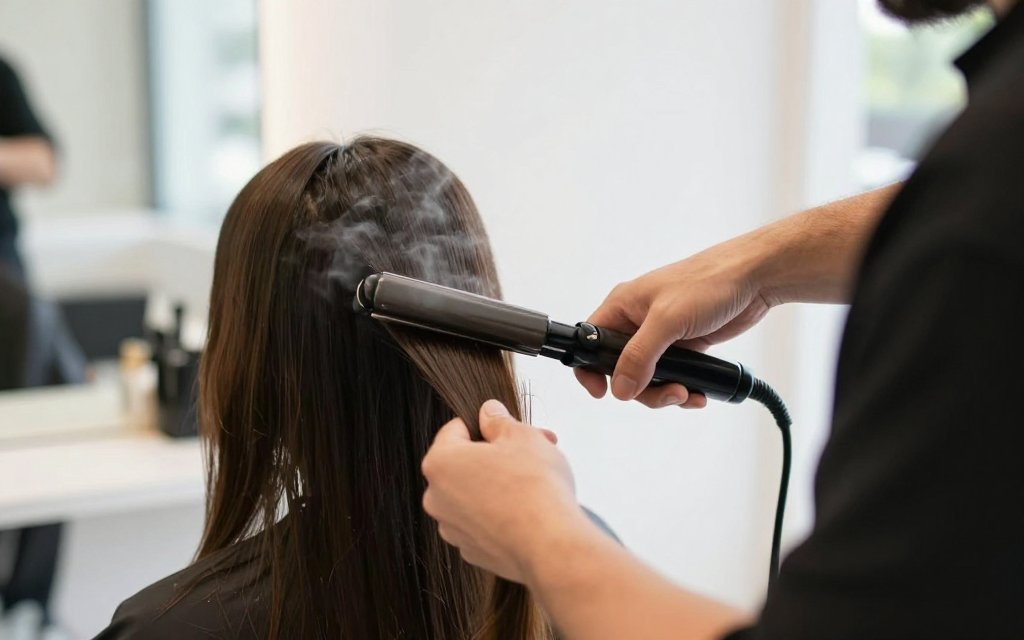
A keratin hair treatment works differently. The stylist applies the solution, then seals it in with a flat iron at high heat, which restructures the outer layer of each strand into something smoother and straighter. The effect is stronger and holds longer, which is why this route tends to win on thick, coarse, or aggressively frizzy hair when the goal is sleek rather than simply soft.
One repairs and smooths, the other restructures and straightens, same shine but very different mechanics.
How Long Does Keratin Treatment Last
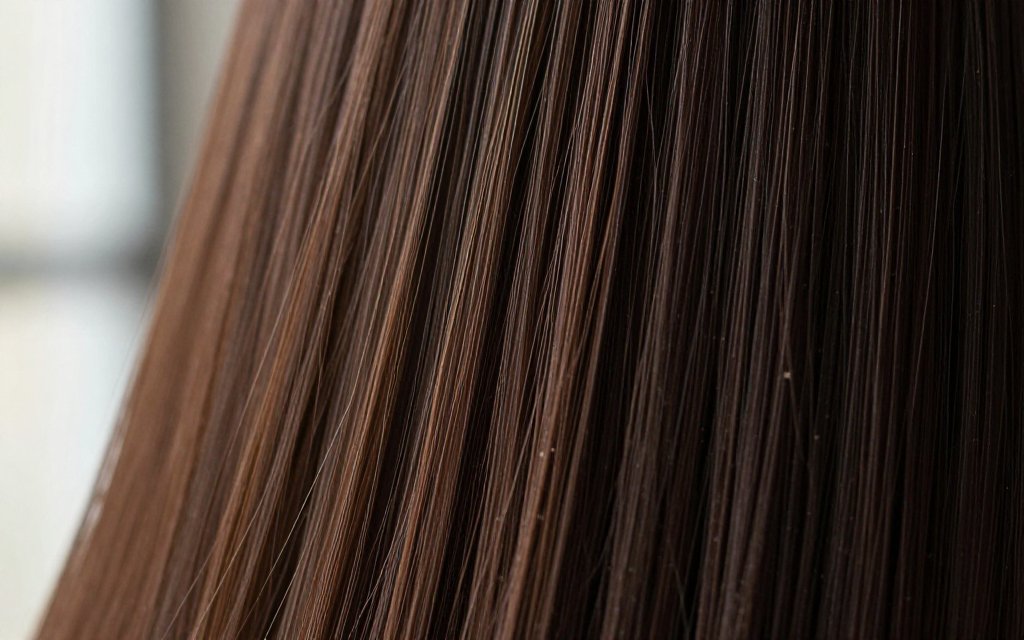
The smoothing service lasts three to five months for most people, and some formulas stretch to six with careful washing. The protein mask is the sprinter here, holding for roughly one to two months before the conditioning effect washes out. Formaldehyde free keratin treatment formulas sit in between, with many salons quoting ten to twelve weeks and up to about 150 days when aftercare is dialed in.
Your habits decide where you land in those ranges. Washing daily, swimming in chlorine, or skipping sulfate free shampoo all cut the result short. If you want to understand why some heads hold a result longer than others, your hair porosity plays a real part in how the solution bonds to each strand.
When to book your next appointment
Most pros tell clients to wait four to six months before a repeat smoothing service, because back to back applications on the same lengths can weaken hair over time. The protein mask is gentler on that front, so you can refresh it more often without the same worry about breakage.
What a Keratin Treatment Cost Looks Like in 2026
Here is where the wallet math gets real. A hair botox treatment usually runs from 150 to 400 dollars a session. The stronger service lands higher, commonly 200 to 600 dollars, though one national survey put the average as low as 82 dollars in Utah and as high as 400 in New Hampshire. Length, salon location, and stylist experience move the number the most.
| Factor | Botox | Keratin |
|---|---|---|
| Cost | $150 to $400 | $200 to $600 |
| Lasts | 1 to 2 months | 3 to 5 months |
| Best for | Damaged hair | Coarse frizz |
Divide cost by mileage and the gap narrows. A 400 dollar service that lasts four months works out to about 100 dollars a month. A 250 dollar protein mask that fades in six weeks costs closer to 170 dollars a month. The pricier option can be the cheaper habit if it actually sticks around.
Cost per month, not the sticker price, is the number that tells you which treatment is really cheaper.
The Formaldehyde Question and the FDA Delay
This is the part that separates the two treatments most. A traditional smoothing formula can contain formaldehyde or a releaser like methylene glycol, which turns into formaldehyde gas when a flat iron hits it at around 450 degrees. The protein mask is chemical free on this axis and gives off no such fumes.
The FDA calls formaldehyde a known human carcinogen and flags exposure as hazardous once airborne levels pass 0.1 parts per million. Short term reactions include stinging eyes, a scratchy throat, coughing, and headaches. The heaviest risk falls on stylists breathing it in session after session, not the client sitting in the chair two or three times a year.
The FDA discourages at home use entirely and urges salon application with real ventilation.
Why the rules still have not changed
A federal ban has been promised for years and keeps slipping. The FDA first aimed for October 2023, then moved the proposed rule to 2024, then 2025, and missed a December 31 target with no new date on the calendar. Until that lands, a formaldehyde free formula is the simplest way to skip the debate without giving up smooth hair.
Hair Botox vs Keratin, Which One Suits Your Hair
Match the treatment to your hair goal, not the trend. If your strands are fried from bleach, heat, or color and you mostly want them soft, shiny, and less frizzy while keeping your waves, the protein mask is the friendlier pick. If your hair is thick, coarse, or aggressively frizzy and you want it to fall straighter with less daily effort, the stronger service earns its keep.
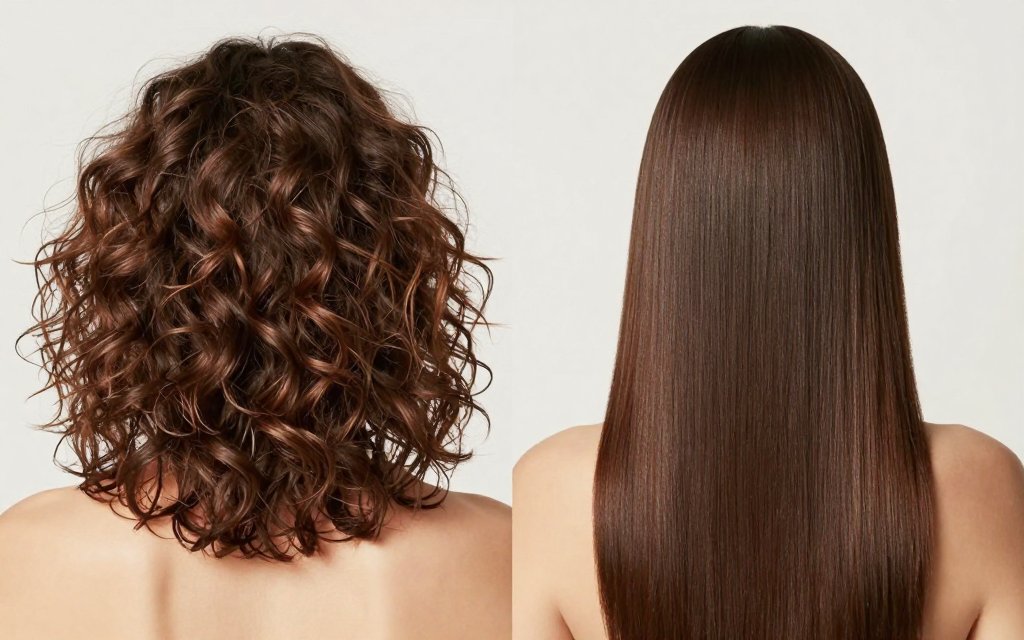
Texture matters too. Curly and wavy heads that want to stay curly lean toward the conditioning route, which smooths without flattening the pattern. Anyone chasing a pin straight finish is really asking for the stronger option. If you are not sure how a sleeker look reads on you before you spend a few hundred dollars, you can test the look on your own photo first and walk in sure.
Aftercare That Makes Either Treatment Last
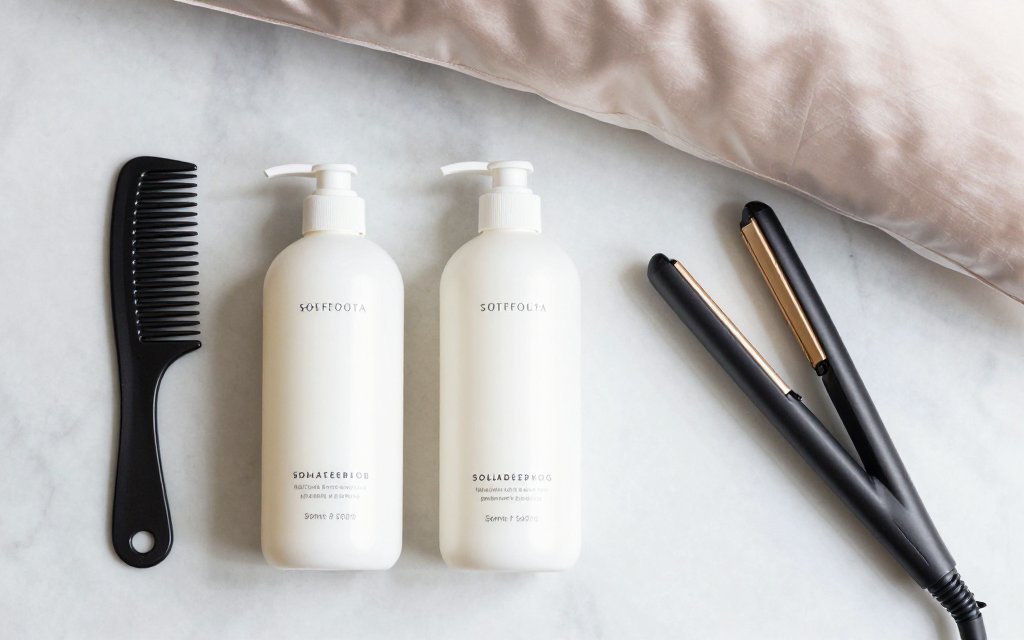
The first few days decide everything. Do not wash, clip, or tuck the hair behind your ears right after the service, since the bonds are still setting. After that window, switch to a sulfate free and sodium chloride free shampoo, wash less often, and sleep on a silk or satin pillowcase to cut friction.
A gentle clarifying wash matters on the front end, not the back end. Stylists often clarify before applying so the solution grips a clean cuticle, then send you home with sulfate free products to protect it. Chlorine and salt water are the fastest way to strip either result, so cap your hair at the pool. If your ends still feel rough, our two minute protein and moisture test shows which one your hair is actually missing before you over treat it.
Common Questions About Smoothing Treatments
Does keratin treatment damage hair?
Done right and spaced out, the service does not have to damage hair, but repeated back to back applications and very high iron heat can weaken strands over time. The bigger risk is formaldehyde exposure during application, which is why ventilation and formaldehyde free formulas matter. If your hair already feels fragile, read the signs of breakage versus shedding before you book.
Can hair botox straighten curly hair?
Not really, and that is the point. The protein mask smooths frizz and adds shine while keeping your natural curl or wave, so it loosens and softens rather than straightens. If you want your curls gone and a truly straight finish, the stronger straightening service is the honest answer.
How soon can you wash hair after a treatment?
Most stylists ask you to wait about three days before the first wash so the solution can fully bond to the cuticle. Washing too early can rinse the result out and shorten how long it lasts. When you do wash, use only sulfate free and salt free products to protect the finish.
Ready to see how a fresh, smoothed look would sit on your own face before you spend a few hundred dollars at the salon? Fravyn lets you preview 50+ hairstyles and 29+ hair colors on your own photo in seconds, so you can test the result first and book your salon appointment with confidence. Get the app here: iOS.
Try a New Hairstyle Today
Preview 50+ hairstyles and 29+ colors on your own photo with Fravyn.