Heatless curl methods give you waves while you sleep
Heatless curl methods set soft waves overnight with a sock, a robe tie, or flexi rods, no hot tools and no heat damage. See which method suits your hair length, what the tools cost, and how to make the curls actually last.
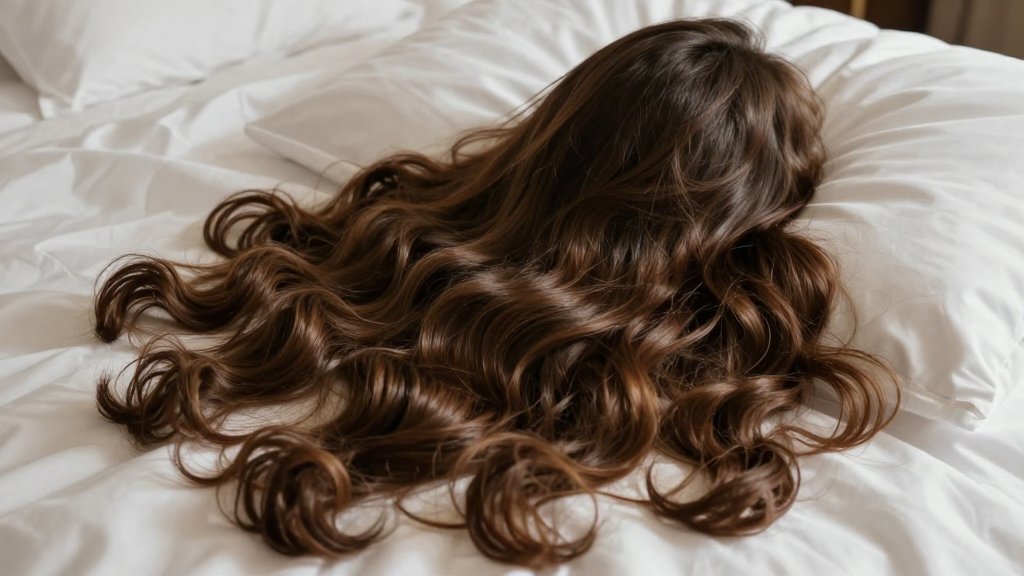
You can wake up with soft, bouncy waves and never touch a hot tool. That is the whole appeal of heatless curl methods, and it holds up better than most beauty shortcuts. The trick is wrapping damp hair, letting it dry in a curved shape, and taking it down in the morning.
Heatless curls took off because they skip the one thing that wears hair down over time, direct heat. A curling iron sits around 350 to 390 degrees Fahrenheit, and your strands start changing long before anything feels too hot. Set your heatless curls overnight instead, and the heat damage drops to zero.
How heatless curl methods reshape hair without heat
Your hair holds its shape through weak hydrogen bonds inside each strand. Water breaks those bonds, and they lock back into whatever position the strand dries in. That is why a damp wrap becomes a curl, and why one humid afternoon can pull it flat again.
Hot tools use that same bond trick, only faster and much hotter. Research from K18 puts keratin protein denaturation in the hair cortex at 392 degrees Fahrenheit and up, and that change does not undo itself. Heatless curl methods reach the same curved result by letting time and moisture do the work.
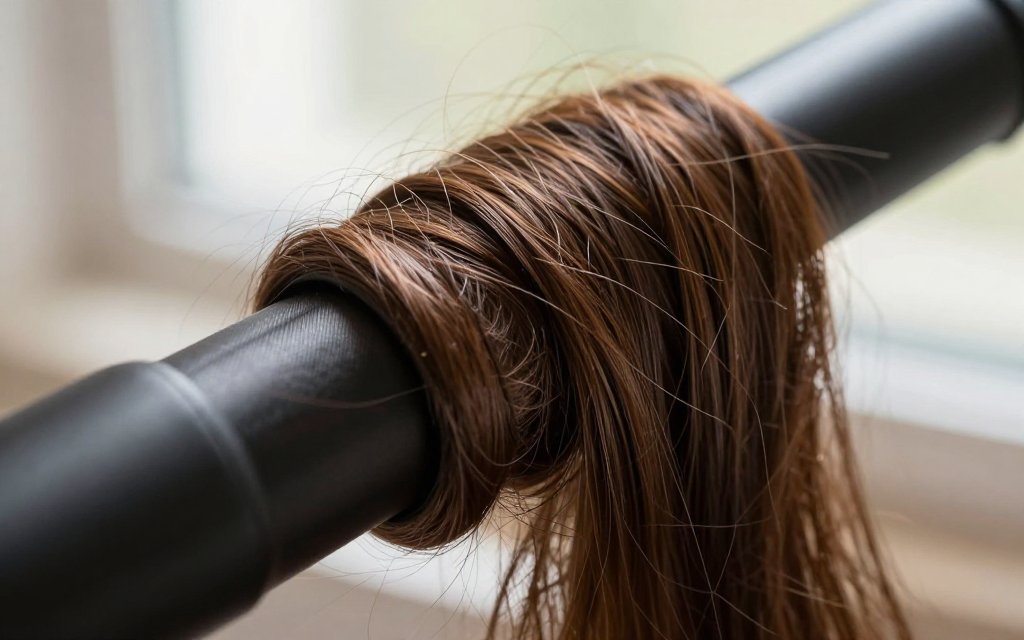
The heat damage you skip by going no heat
Skipping the iron is not about vibes, it protects the strand itself. The same K18 breakdown notes that bubble hair, the tiny weak spots that snap off, can form anywhere from 345 to 419 degrees Fahrenheit. Most curling irons run straight through that band every time you clamp down.
Curling irons run about 350 to 390 degrees Fahrenheit. Hair keratin starts to denature at 392. That thin gap is why daily heat quietly adds up.
That is the hidden cost of everyday heat. If your ends already feel dry, our guide on how to stop the breakage is worth a read, because heat damage cannot be reversed once the protein reshapes. No heat curls sidestep the whole problem.
Sock curls and overnight curls you can set tonight
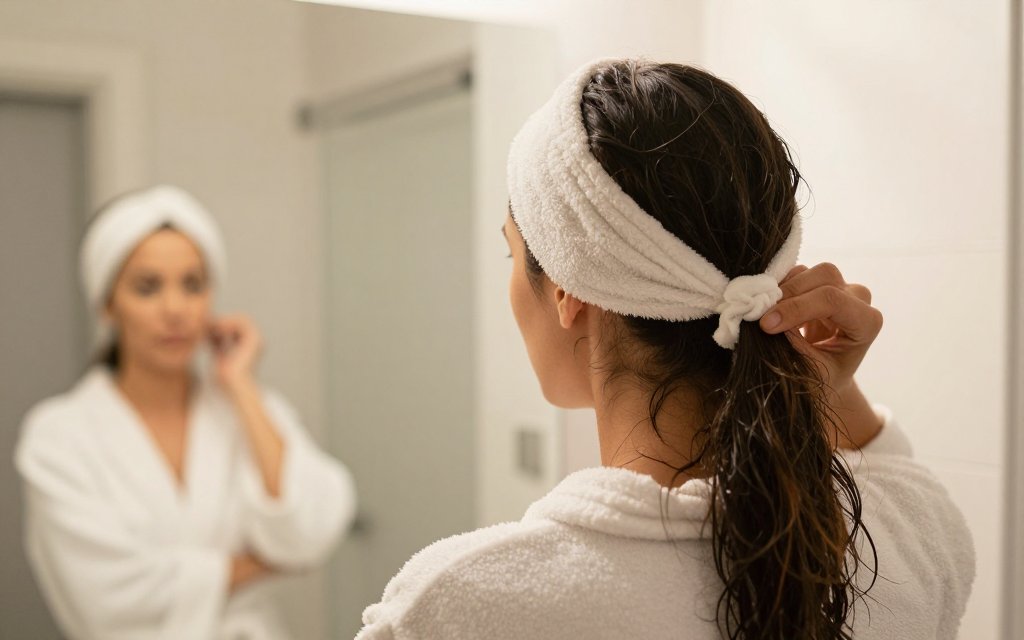
You do not need a fancy kit to start. The most popular heatless curl methods use things already in your bathroom, and each one bends the hair a little differently. Wrapping heatless curls with socks is the cheapest start of all.
| Method | Wave type | Best hair |
|---|---|---|
| Sock curls | Loose bouncy | Fine to medium |
| Robe tie | Soft S-waves | All lengths |
| Dutch braids | Beachy waves | Thick or long |
| Flexi rods | Tight spirals | Coarse or curly |
| Foam rollers | Rooty volume | Short to medium |
The braid and rope-twist routes cost nothing at all. Dutch braids give beachy waves with movement, so you get beach waves without a curling iron. Start clean and only a little damp, since sections that are too wet dry uneven and frizzy.
Which heatless curls tutorial fits your hair length
Length changes which method actually holds. Short hair grabs foam rollers and small flexi rods best, medium hair loves the sock and robe routes, and long hair needs bigger sections so the curl does not fall out under its own weight.
Short and fine hair
Fine strands take a wave but lose it fast, especially in humidity. Wrap smaller sections, work in a light mousse for grip, and skip heavy oils that drag the curl down. A satin scrunchie also stops the crease a tight elastic leaves behind.
Long and thick hair
Thick or long hair needs more drying time, so an overnight set is your friend. For heatless curls for long hair, split into four or more sections and give it a full seven to eight hours. If you want softer shape around the face, pair the wrap with wispy curtain bangs.
What heatless rollers and sets cost versus hot tools
Here is the money math. A satin heatless curling set runs about 15 to 21 dollars once and lasts for years. Marie Claire priced flexi rods at 15.99 dollars and a three-pack of styling socks at 21 dollars, which is roughly one drugstore run.
| Tool | Price | Reusable |
|---|---|---|
| Bobby pins | $2.69 to $4 | Yes |
| Foam rollers | $8.79 to $10 | Yes |
| Flexi rods | $15.99 | Yes |
| Sock 3-pack | $21 | Yes |
| Heatless set | $15 to $21 | Yes |
One heatless set costs about the price of a single salon blowout, and you can reuse it for years.
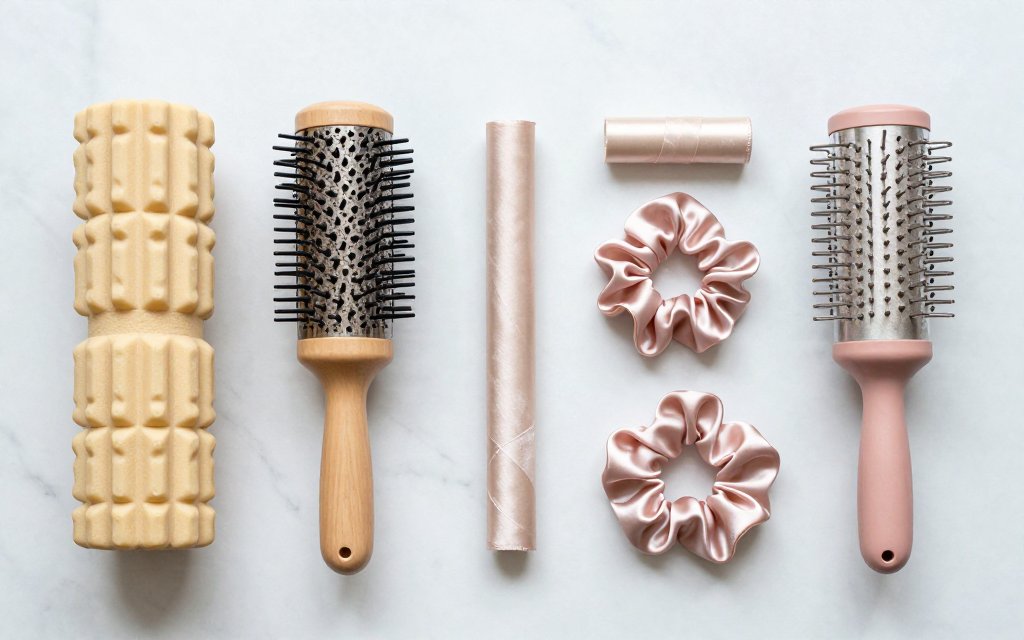
Compare that to heat styling. A curling iron worth buying costs more up front, and it keeps costing you strand strength every single use. The heatless route is cheaper to start and it will not quietly shorten how long your color or your low porosity hair stays healthy.
Make your heatless waves last past noon
The number one complaint is curls that fall out by lunch. Fine hair and humidity are usually behind it, exactly what people trade fixes for in the r/finehair threads. A few small habits solve most of it.
Damp hair sets a clean wave. Soaking hair dries uneven and frizzy. Towel-dried, not dripping, is the real sweet spot.
Can you sleep on wet hair to speed things up? You can, but soaking strands stay fragile all night and dry uneven, so damp beats dripping. If you are not sure which curl size suits your face, you can preview the look first at aihairfilter.com before committing a whole night to it.
Common questions about no heat curls
Do heatless curls work on straight hair?
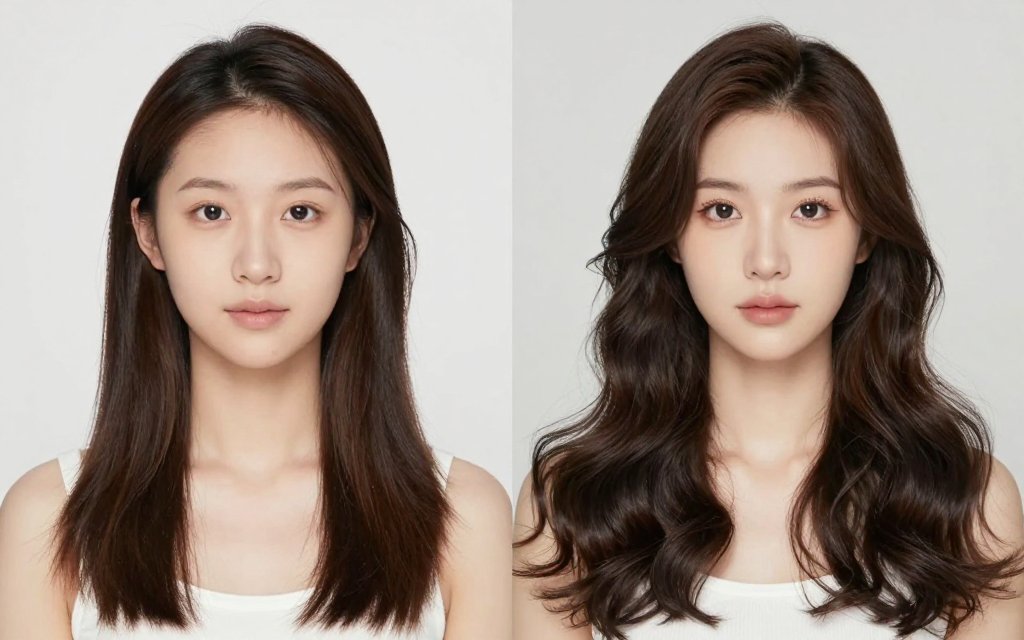
Yes, though straight and fine hair holds a looser wave and drops faster than wavy hair. Wrap smaller sections, add mousse, and set overnight for the strongest hold. A robe tie or sock curls tend to give the most reliable result on stubborn straight hair.
Is it bad to sleep with wet hair every night?
Soaking hair overnight keeps strands swollen and weak, which can lead to breakage over time. Towel-dry to damp first, sleep on a satin pillowcase, and let the set finish drying on its own. Damp is fine, dripping is not.
How long do overnight curls actually last?
On most hair, one to two days. Fine hair may soften by evening, while thick or coarse hair can hold overnight curls for two or three days. A cool blast of hairspray and a satin scrunchie help stretch it out.
Which heatless curl method is easiest for beginners?
Sock curls and the robe-tie method win for beginners, since there is nothing to buy and no real technique to learn. You wrap, twist, secure, and sleep. Flexi rods and heatless rollers give tighter, more defined spirals once you want them.
Ready to see how soft heatless waves would actually look on you before you wrap a single strand? Fravyn lets you preview 50-plus hairstyles and 29-plus hair colors on your own photo in seconds, so you can pick the wave size that flatters your face. Get the app here: iOS.
Try a New Hairstyle Today
Preview 50+ hairstyles and 29+ colors on your own photo with Fravyn.