Hair Color for Warm Skin Tone vs Cool Skin Tone
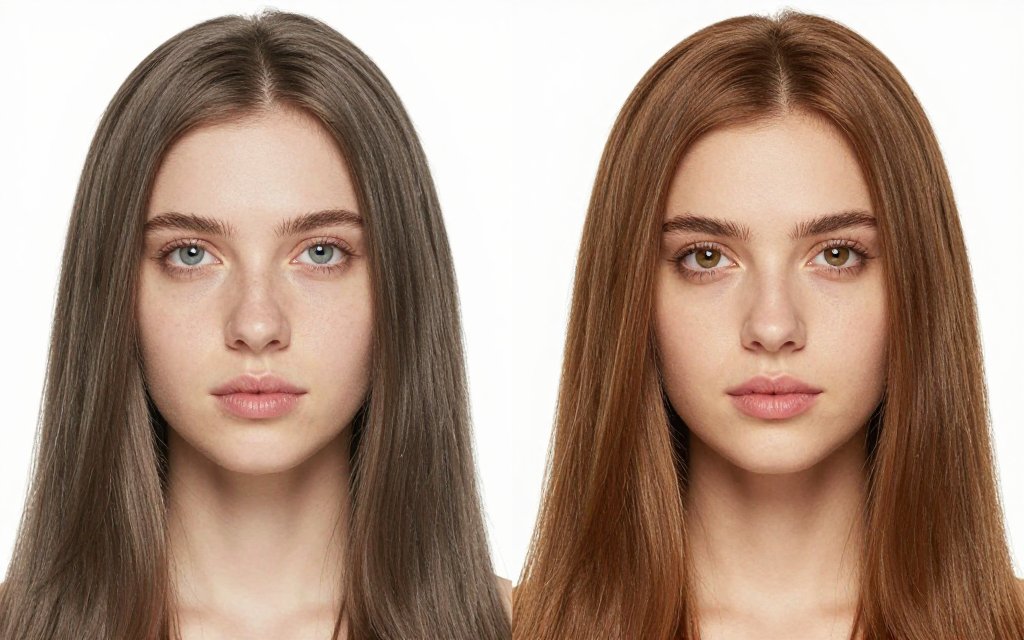
Warm or cool skin? Your undertone decides which shades make you glow. Compare the best hair color for warm skin tone against cool picks, learn three quick undertone tests, and read a hair color level chart before your next salon visit.
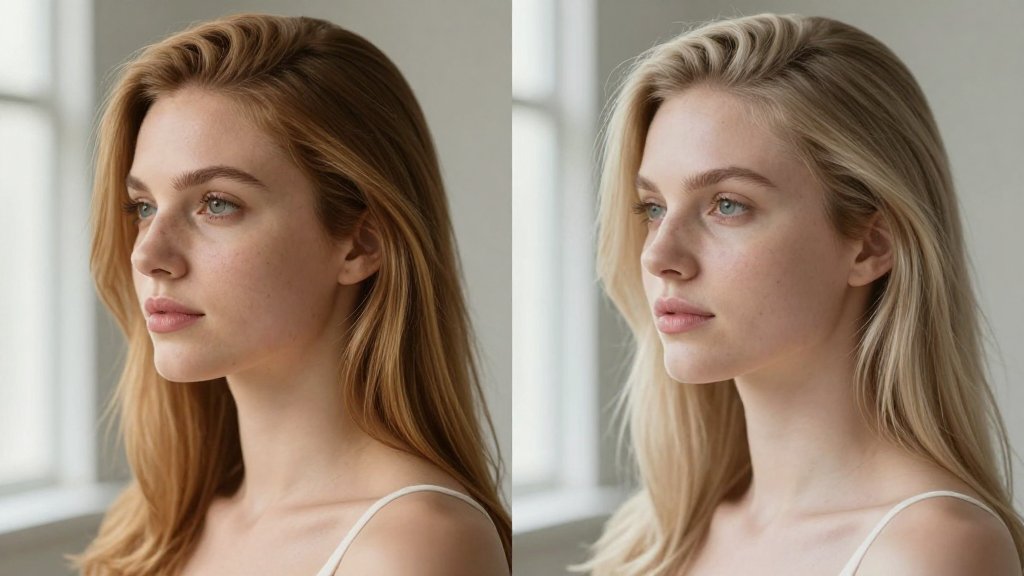
Your skin carries a hidden hue under the surface, and it quietly decides which shades make you glow and which leave you looking tired. The best hair color for warm skin tone leans golden, from caramel to copper, while cool complexions come alive with ashy, blue-based shades. Match your color to that undertone and your face looks brighter with no extra makeup.
This guide breaks down cool skin tone vs warm skin tone, walks you through three quick tests you can run at home, and pairs each undertone with specific shades by name. You will also learn to read a hair color level chart, so you can set a realistic goal before you ever sit in a salon chair.
What Undertone Means for Hair Color
Surface tone is the color you see, and it changes with sun exposure and the seasons. Undertone is the fixed hue beneath it, and it never shifts. Warm undertones read peach, yellow, or golden. Cool undertones lean pink, red, or blue. A roughly even mix points to neutral skin, which is the most flexible group of all.
Surface skin shifts with the seasons and the sun. Undertone is the fixed hue beneath it, and it decides which hair color makes your face look brighter.
How to Find Your Skin Undertone
You do not need a color expert to spot your undertone. Three or four quick checks in natural daylight will tell you most of what you need. Run them near a window, not under yellow indoor bulbs, since warm lighting skews every result.
If the tests disagree with each other, you likely sit in the neutral group, and that flexibility works in your favor. Knowing your cool vs warm undertone is the single most useful fact when you compare a warm vs cool skin tone shade side by side.
The two minute vein test
Turn your wrist to the light and study the veins. Green veins point to a warm undertone because they read through yellow-based skin. Blue or purple veins point to cool skin. This one test is right often enough that most people can stop there.
Hair Color for Warm Skin Tone
The best hair color for warm skin tone repeats the gold already in your complexion. Caramel, honey blonde, copper, strawberry blonde, chocolate brunette, and mahogany all flatter a warm undertone. These shades add a warm glow that reads healthy in photos and in person.
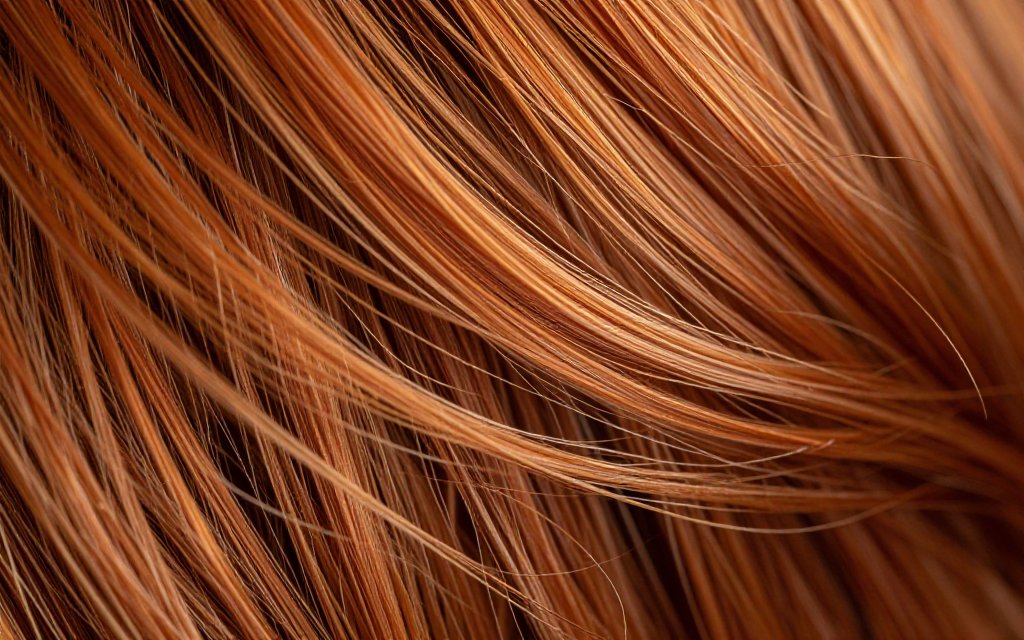
Skip icy and ashy tones like silver, platinum, and blue-black. On warm skin those cool shades pull the yellow forward and can leave you looking sallow or washed out. When you want to go lighter, choose a golden blonde over an icy one.
The fastest rule of thumb: if gold jewelry lights up your face, warm golden hair shades will light it up too.
Hair Color for Cool Undertones
Hair color for cool undertones does the opposite job. Ash blonde, cool brown, espresso, blue-black, true red, plum, and burgundy all sit on the blue side of the wheel and balance pink or ruddy skin. Cool shades keep the complexion clear instead of flushed.
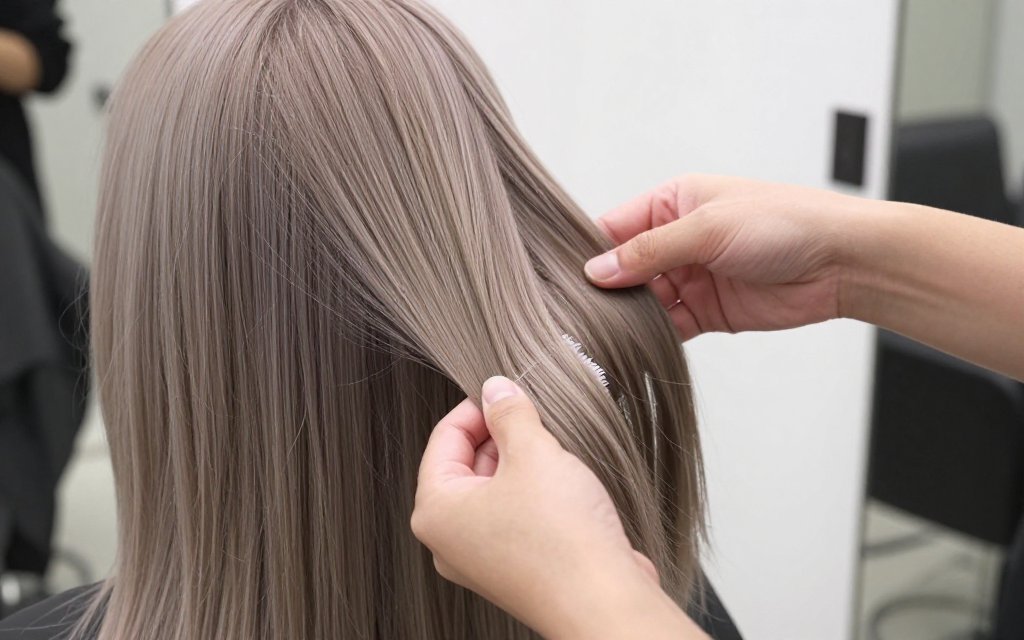
The right hair color for pale skin usually lives in this cool family too, since very fair skin often carries a pink or porcelain cast. Platinum and icy blonde suit fair cool skin, while a soft ash brown adds contrast without harshness.
How to Read a Hair Color Level Chart
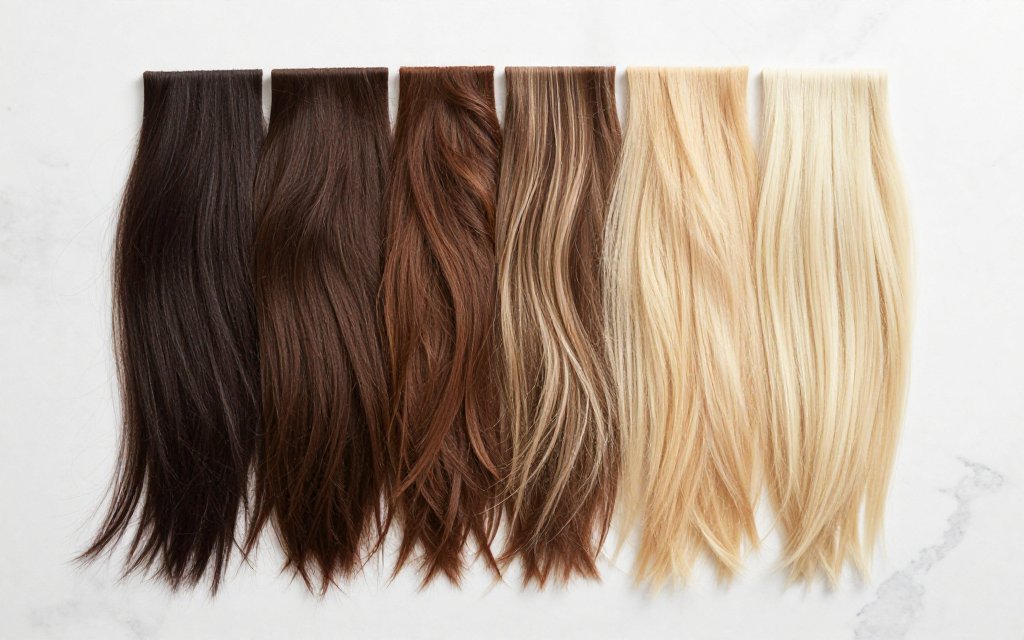
A hair color level chart ranks depth from 1 to 10, a scale that colorists rely on. Level 1 is jet black and level 10 is the lightest platinum blonde. Brown shades sit around levels 3 to 6, and blonde runs from 7 to 10. Every box on the chart shares one job, telling you how light or dark a color is.
| Level | Depth | Under Pigment |
|---|---|---|
| 1 to 2 | Black | Red |
| 3 to 5 | Brown | Red orange |
| 6 to 7 | Dark blonde | Orange yellow |
| 8 to 10 | Blonde | Yellow |
Level matters because color lifts through warm pigment on the way up. Underlying pigment runs red at levels 1 to 4, orange at 5 to 6, and yellow at 7 to 10. Most hair can only jump two or three levels safely in a single session, so a big change often takes more than one visit.
Why lifting turns brassy
When a stylist lightens dark hair, it passes through orange and yellow before it reaches a pale blonde. That warm stage is why cool-toned clients often need a toner or gloss to cancel brass. Warm-toned clients can usually leave that golden stage alone.
Neutral and Olive Skin: The Flexible Middle
A neutral undertone hair color list is short on rules, because a balanced complexion carries both warm and cool notes. Chestnut brown, bronde blends, and soft balayage all sit comfortably here. Neutral skin can borrow from either side without looking off.
Hair color for olive skin is a special case, since olive reads warm and slightly green at once. Mocha brown, deep chestnut, and warm chocolate flatter it best. If you are still asking what hair color suits me, preview the shade on your own photo and explore more looks at aihairfilter.com before you book.
Cost and Upkeep by Shade
A new color is a running cost, not a one-time one. Single-process color runs about $70 to $150 at 2026 salon rates, a root touch-up costs $60 to $100, and painted highlights or balayage climb from $180 to $400 or more depending on length and salon.
| Service | Price | Upkeep |
|---|---|---|
| Single process | $70 to $150 | 6 to 8 weeks |
| Root touch-up | $60 to $100 | Every 6 weeks |
| Balayage | $180 to $400 | 3 to 4 months |
How often you return depends on the contrast between your color and your roots. Single-process shades usually need a touch-up every 6 to 8 weeks, while balayage can stretch to 3 or 4 months. For lower upkeep, read our balayage versus highlights guide, and refresh faded tone at home with a gloss, glaze, or toner.
Deeper color change costs more to keep up. A shade close to your natural roots can stretch to eight weeks between visits.
Common Questions About Hair Color and Skin Tone
How to find your skin undertone fast?
The quickest check is the vein test in daylight. Green veins signal a warm undertone and blue or purple veins signal cool. Back it up with the jewelry test, since gold tends to flatter warm skin and silver flatters cool skin. Two matching results are enough to trust.
What hair color suits me if my skin is neutral?
Neutral skin is the easiest case, so almost any shade works. A neutral undertone hair color like chestnut, bronde, or soft balayage keeps things balanced. If you still wonder what hair color suits me, lean slightly warm for extra radiance or slightly cool for contrast.
Does warm skin ever suit cool colors?
It can, but it takes care. A warm complexion can carry a cool shade if a stylist keeps a little warmth in the roots so the color does not go flat. Because reactions vary, always run a patch test before any new dye. This is where comparing warm vs cool skin tone swatches pays off.
What hair suits me for olive skin?
For olive skin, warm brown shades win most often. Mocha, chestnut, and warm chocolate echo the golden-green cast without clashing. If you keep asking what hair suits me, test two shades side by side on a photo before you choose.
Ready to see the right hair color for your skin tone before you commit? Try Fravyn to preview 50+ styles and 29+ shades on your own photo in seconds, matched to warm or cool undertones. Get the app here: iOS.
Try a New Hairstyle Today
Preview 50+ hairstyles and 29+ colors on your own photo with Fravyn.