Growing out a pixie cut looks good with layers and bangs
A pixie grows about half an inch a month, so reaching a bob takes months of in between lengths. Growing out a pixie cut looks good the whole way when you lean on trims, a moving part, soft layers and long bangs instead of just waiting it out.

A pixie cut is quick to fall for and slow to leave. The day you decide to change it, you learn that growing out a pixie cut is less a haircut and more a season. Your hair grows about half an inch a month, so the trip from cropped to a bob runs the better part of a year. The good news is that the in between can look sharp the whole way.
The secret is treating each stage as its own style instead of a waiting room. Fresh layers, a moving part, and a set of long bangs turn the boxy middle months into something you would actually book on purpose. If you loved your pixie cut, there is no reason to dread the months that follow it.
What growing out a pixie cut really looks like
Straight hair and coily hair grow at a similar rate, roughly six inches a year, give or take. A two inch pixie needs about eight to twelve months to reach a chin or jaw length bob, and closer to two years to touch the shoulders. Knowing the map keeps the slow middle from feeling like a mistake, and it matches the stylist timelines for the grow out that colorists share with clients.
| Stage | Length | Timeline |
|---|---|---|
| Fresh pixie | 1 to 3 inches | Starting point |
| Grown out top | 3 to 5 inches | 3 to 5 months |
| Jaw length bob | 6 to 8 inches | 8 to 12 months |
| Shoulder length | 10 to 12 inches | About 2 years |
Everyone lands on these stages at a slightly different pace. Thick hair can look fuller sooner, while fine hair may need layers to fake density through the middle months. Use the timeline as a guide, not a deadline, and take a photo every few weeks so the progress stays visible.
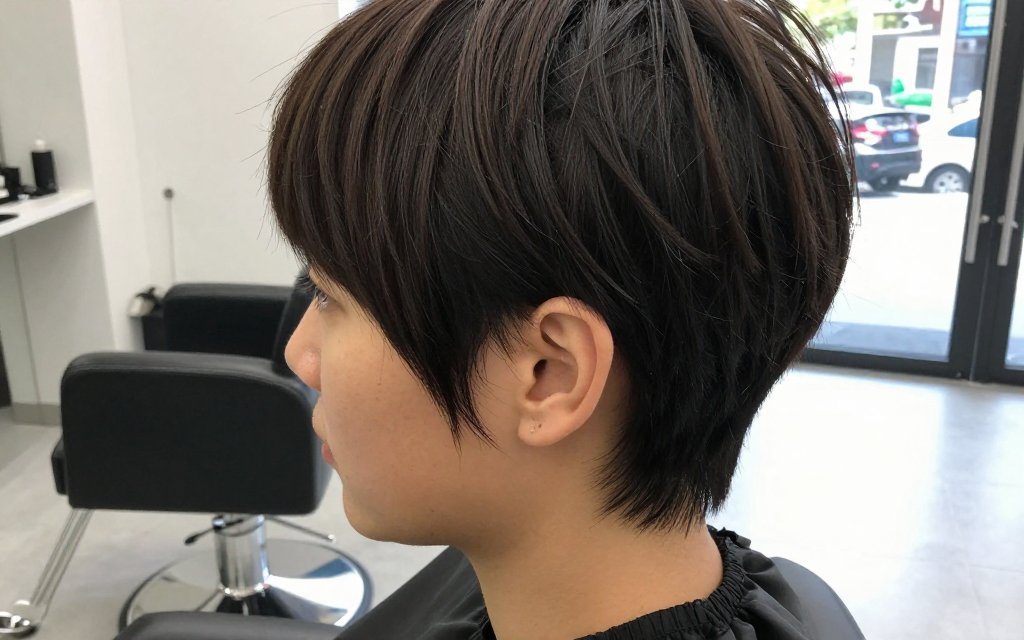
The awkward stage hits around months three to five
Around months three to five, the crop turns into the shape everyone dreads, a rounded and top heavy mushroom. The hair up top gets long enough to lose its spike but not long enough to lie flat, so it puffs up and out. The sides start to wing out above the ears at the same time. This is the point where most people panic and buzz it all off again, which is exactly the losing patience trap stylists warn about.
Hair grows about half an inch a month, so a pixie reaches a jaw length bob in roughly eight to twelve months. Patience does most of the quiet work here.
None of that means the grow out is failing. It means the hair is caught between two shapes and needs a little direction. A few small moves, covered next, redistribute the weight so the mushroom reads as a deliberate crop instead of an accident.
How to grow out a pixie cut without hating it
The honest answer to how to grow out a pixie haircut is that styling does more than growth for the first six months. When you grow out a pixie, the aim is to move bulk away from the crown and down toward the sides and back. Switching your part is the single biggest lever. A deep side part drops the height and pushes hair into a softer, longer looking line.
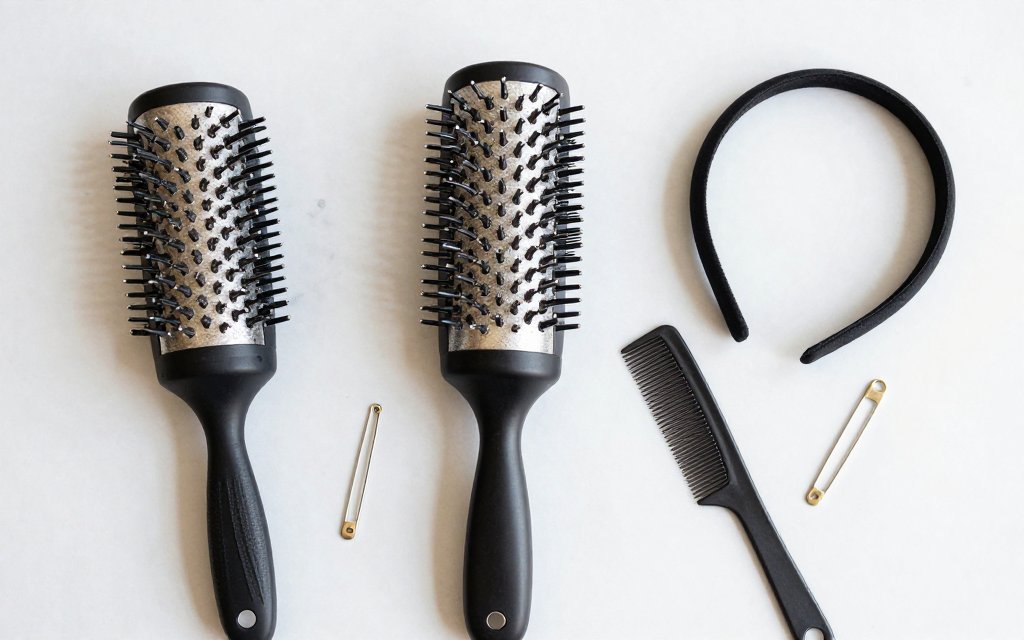
Move your part to fake a new shape
Comb everything forward first, then sweep the front across your forehead and let the sides fall where they want. You will suddenly have a narrower, chin pointing shape instead of a wide one. A long fringe or curtain bangs hides the length gap while the rest catches up, and soft face framing layers keep the middle from going boxy.
Trims keep growing out short hair from looking shapeless
It sounds backward, but you should keep seeing your stylist while growing out short hair. The trick is what you ask for. Book a dusting every six to eight weeks, where the stylist takes only the frayed ends and cleans up the neckline without touching your length. That keeps the outline crisp, so the grow out looks intentional rather than shaggy in the wrong way.
| Phase | Trim type | Frequency |
|---|---|---|
| Months 1 to 3 | Neckline dusting | Every 6 weeks |
| Months 3 to 6 | Light layering | Every 6 to 8 weeks |
| Months 6 to 12 | Shape toward a bob | Every 8 weeks |
Ask for a dusting, not a haircut. The stylist cleans the ends and neckline and leaves your length alone, which keeps the shape sharp while everything grows.
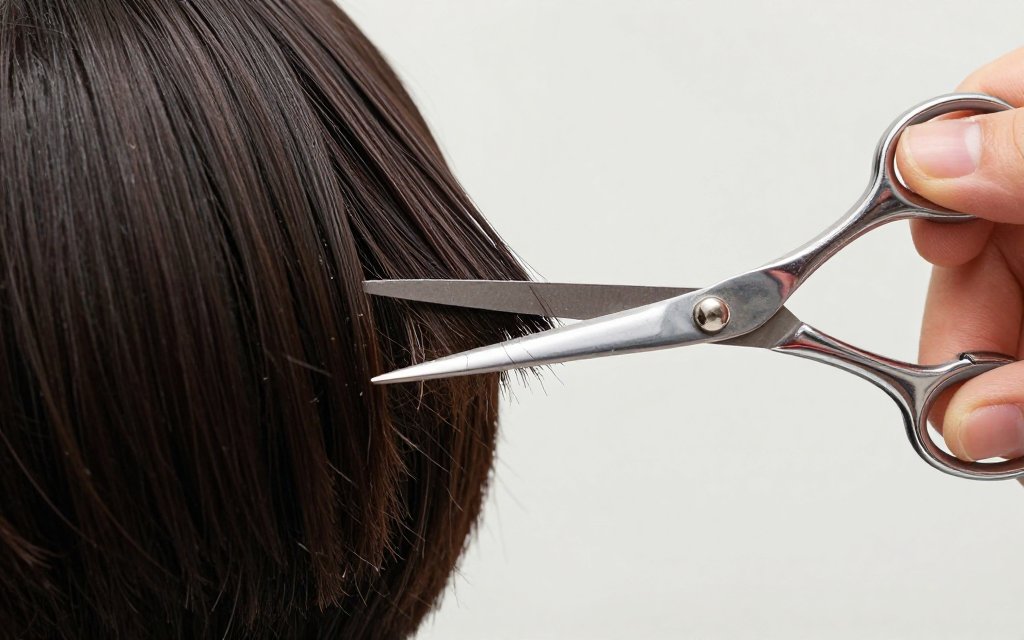
What growing out a pixie actually costs in time and trims
Here is the part nobody warns you about. Growing out a pixie is cheap in product and expensive in patience. Across eight to twelve months you will book about six to nine short trims, each one a quick dusting rather than a full restyle, so each visit runs faster and lighter on your wallet than a fresh cut. The same math covers how to grow out short hair of any kind, from a bob you regret to a buzz you have outgrown.
The payoff is a wardrobe of lengths instead of one frozen look. If you keep those monthly photos, the progress is obvious even when the mirror lies to you on a bad hair day.
Turn a grow out into a shag or a longer pixie
If the middle months wear you down, you have a shortcut. Stop growing out a pixie and start growing into a shape built on choppy, uneven lengths. A shag or a modern mullet turns the exact lengths a grow out produces into the whole point of the cut, so you skip the ugly stage entirely and look styled from month two.
The best growing out a pixie cut hairstyles lean into that idea, adding layers and a fringe so the shape looks deliberate at every length. Smart haircuts for growing out a pixie cut keep weight in the right places, and the same growing out a pixie cut styles let you land on a bixie, a soft bob, or a shag on the way to long hair.

The fastest way through the awkward stage is to stop fighting it and grow into a shape that likes uneven lengths, like a shag or a soft bixie.
Common questions about the pixie grow out
A few questions come up again and again once the scissors are away and the waiting begins. Here are the ones stylists hear most from people who are only a few months into a grow out and starting to lose their nerve.
How do you grow out a pixie cut?
The trick is to steer it rather than stare at it. Change your part, add soft layers and a fringe, and book regular dustings so the outline stays sharp. Growth handles the length on its own, and styling handles almost everything you actually notice in the mirror.
How long does growing out short hair take?
How long does growing out short hair take from a true pixie? Plan on eight to twelve months to reach a bob and about two years for shoulder length. Faster growth is mostly genetic, though steady trims, gentle heat, and a decent diet help your hair reach its full length instead of snapping off early.
Should you keep trimming while growing out your pixie?
Yes, and it is the step people love to skip. While growing out your pixie, a light dusting every six to eight weeks removes split ends before they travel up the strand. You lose a few millimeters and keep the shape, which is a fair trade when the alternative is frizz and breakage.
What hairstyles help while growing out a pixie cut?
The most useful looks here add shape, not length you do not have yet. Think soft layers, a side part, a curtain fringe, and half pinned styles once the front is long enough to tuck. Accessories like clips and headbands carry you through the weeks when nothing else will behave.
Ready to see how a grow out will look before you commit to the scissors? Fravyn lets you preview 50 plus hairstyles and 29 hair colors on your own photo, so you can test a shag, a bixie, or a chin length bob in seconds and choose your next length with confidence. Get the app here: iOS.
Try a New Hairstyle Today
Preview 50+ hairstyles and 29+ colors on your own photo with Fravyn.