Greasy hair doesn't always mean you should wash more
Greasy roots by noon feel like a reason to shampoo again, but over washing can make oil rebound faster. Here is how often to wash your hair by type, what daily washing really costs, and simple ways to stretch the days between washes.

Greasy hair by lunchtime feels like a hygiene problem, so the instinct is to wash it more. That instinct usually backfires. Strip the scalp too hard and it answers by making more oil, which is why flat, shiny roots show up again a day later.
The honest answer to how often should you wash your hair is that no single number fits everyone. Dermatologists tie it to how fast your scalp makes oil, your hair texture, and how you style it, not to a calendar. Get that rhythm right and greasy hair stops running your mornings.
Why greasy hair comes back faster after every wash
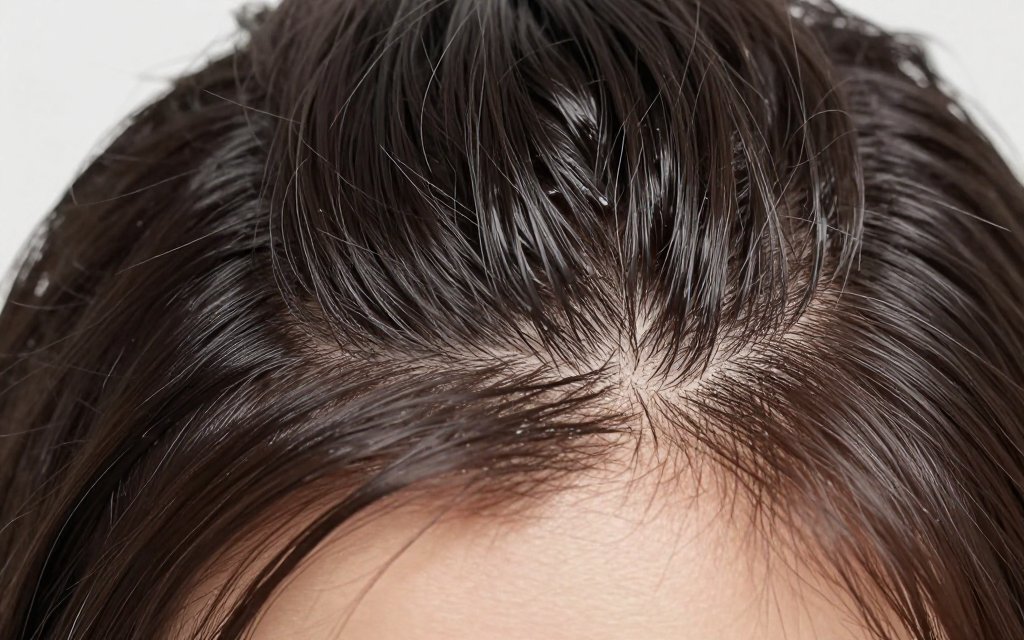
Your scalp is packed with glands that make sebum, the oily film that waterproofs and softens each strand. Shampoo with strong detergents rinses that film away. When the scalp senses it is stripped, it can ramp production back up.
Beauty chemists call that loop sebum rebound. Aggressive daily washing can train the glands to refill oil faster, so the shampoo that promised clean roots quietly keeps them oily. Cleveland Clinic dermatologists warn that over washing also strips the oils your lengths need to stay strong.
Sebum is your hair's built in conditioner, so stripping it every day can push the scalp to make even more oil.
How often should you wash your hair, by type
Texture drives how often to wash hair. Fine, straight hair shows oil first because there is less surface area for sebum to spread, so it often needs a wash every one to two days. Thick, coily, or curly hair is the opposite, since oil struggles to travel down the strand and those textures can wait a week or more.
The question, how often should I wash my hair, really means how oily does my scalp get. The American Academy of Dermatology says straight, oily scalps may want a daily shampoo, while dry, textured, curly, or thick hair can be washed only as needed, sometimes every two to three weeks.
The American Academy of Dermatology says to base your schedule on how oily your scalp gets, not on a fixed day of the week.
| Hair type | Wash every | Why |
|---|---|---|
| Fine or oily | 1 to 2 days | Oil spreads fast and shows first |
| Normal or wavy | 2 to 3 days | Balances shine with cleanliness |
| Thick or coarse | About 1 week | Oil moves slowly down strands |
| Curly or coily | 1 to 2 weeks | Dryness is the bigger risk |
| Color treated | 2 to 3 days | Fewer washes hold color longer |
Age changes the math too. Oil glands slow down over time, so older adults usually need fewer washes than they did at twenty. How often do you wash your hair now is worth tracking for a week before you change anything.
Is it bad to wash your hair everyday
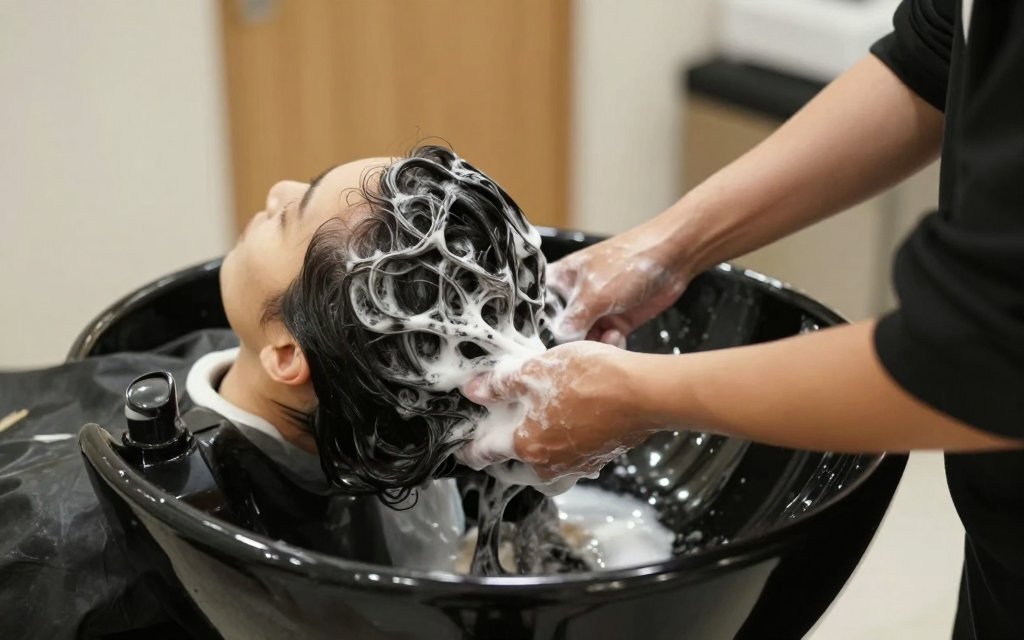
For most people, washing hair everyday is not harmful, but it is rarely necessary, and over months it can dry the ends and cause breakage. If your scalp is truly oily by every evening, a gentle daily shampoo is fine.
Over washing hair tends to show up as dull, brittle, frizz prone ends, because the protective oil never gets time to travel down the strand. So is it bad to wash your hair everyday? Only when your hair does not actually need it.
What washing less often means for your wallet and your color
Cutting back is not only about scalp health, it is money. Go from seven washes a week to three and you use less than half the shampoo and conditioner, so each bottle lasts far longer.
The bigger savings hide at the salon. Frequent washing fades professional color and shortens smoothing treatments, so fewer washes stretch the months between appointments. If you paid for balayage or a gloss, washing less is how you protect that spend.
Drop from seven washes a week to three and a bottle of shampoo lasts more than twice as long.

How to stretch the days between washes
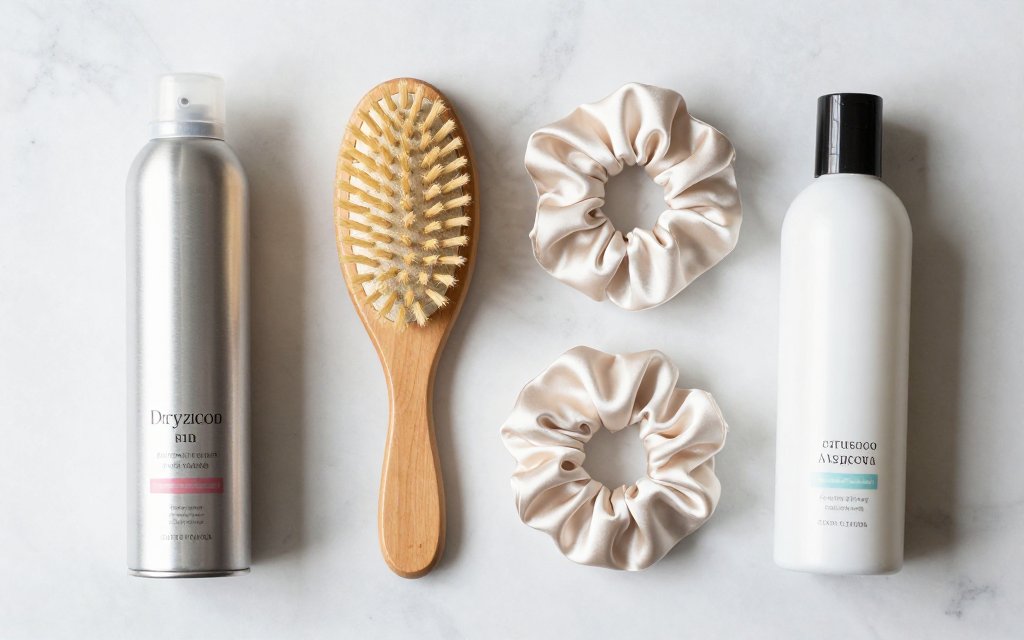
The gap between washes is a skill. Dry shampoo for oily hair soaks up grease at the roots and buys a day, as long as you brush it out and do not layer it on for a week straight.
Washing hair with water only, a quick rinse with no shampoo, refreshes sweat and dust without stripping oil, which suits second or third day hair. A boar bristle brush pulls sebum from the roots down to the dry ends where it actually helps. Matching your products to your hair's porosity keeps this routine from leaving buildup.
Loose, heatless styles carry you further. A silk scrunchie bun or overnight heatless curls hide greasy roots and skip the heat that dries your ends.
Common questions about washing greasy hair
Is it bad to wash your hair everyday?
Not for everyone. If your scalp is oily by the end of each day, a gentle daily shampoo is reasonable. For most hair types though, daily washing dries the ends without adding much, so try skipping a day and watch how your roots hold up.
How often should you wash oily or greasy hair?
Oily, fine hair usually does best every one to two days. On the off days, reach for dry shampoo for oily hair instead of shampooing again, and give the scalp a chance to settle rather than feeding the rebound.
How often should you wash curly hair?
Curls and coils are dry by nature, so how often to wash curly hair lands near once a week, or every two weeks for tight coils. A water rinse or co wash in between keeps them moisturized. Our curl pattern guide shows which routine fits your type.
Can you train your hair to wash less often?
Sort of. You cannot rewire your oil glands, but easing off over washing hair lets the rebound calm over a few weeks, so roots stay fresh longer. Stretch the gap one day at a time instead of quitting shampoo cold turkey.
Finding your wash rhythm is easier when you can picture the payoff. Ready to see how a fresher, fuller style looks on you? Try Fravyn and preview 50+ hairstyles and colors on your own photo in seconds, then choose the look worth protecting between washes. Get the app here: iOS.
Try a New Hairstyle Today
Preview 50+ hairstyles and 29+ colors on your own photo with Fravyn.