Curtain bangs with layers grow out without an awkward phase
Curtain bangs with layers are the one fringe you can grow out without an ugly middle stage. Here is how to cut and style them, which face shapes they flatter, and what a salon trim really costs versus doing it at home.

Curtain bangs with layers are the rare fringe you can grow out without three months of hating your reflection. The ends taper into the length instead of hitting a blunt wall, so as they get longer they simply turn into face framing pieces. That is why stylists keep steering nervous first timers toward them.
Here is the honest pitch before you book anything. Wispy curtain bangs suit almost every hair type, they cost less to keep up than a blunt fringe, and you can test the shape on a photo of yourself in the Fravyn app before a stylist ever picks up scissors. Seeing them on your own face saves you from copying a cut that only worked on the model.
Why this fringe grows out without an awkward phase
Hair grows about half an inch a month, which sounds slow until it is poking your eyes. A blunt fringe reaches your lashes in a few weeks and needs a trim before you feel ready. Growing out curtain bangs works differently, because the shortest piece already sits near your cheekbone, so every extra inch blends into the layer beneath it.
Think about the last time you tried a full fringe. Most people spend the grow out stage pinning it flat or hiding under a hat. This shape skips that misery. You can push it into a center part, tuck it behind your ears, or let it fall as face framing layers while it catches up to the rest of your hair.
Hair grows roughly half an inch every month, so a blunt fringe is back in your eyes within weeks. Tapered pieces just melt into your layers instead.

How to style curtain bangs at home in five minutes
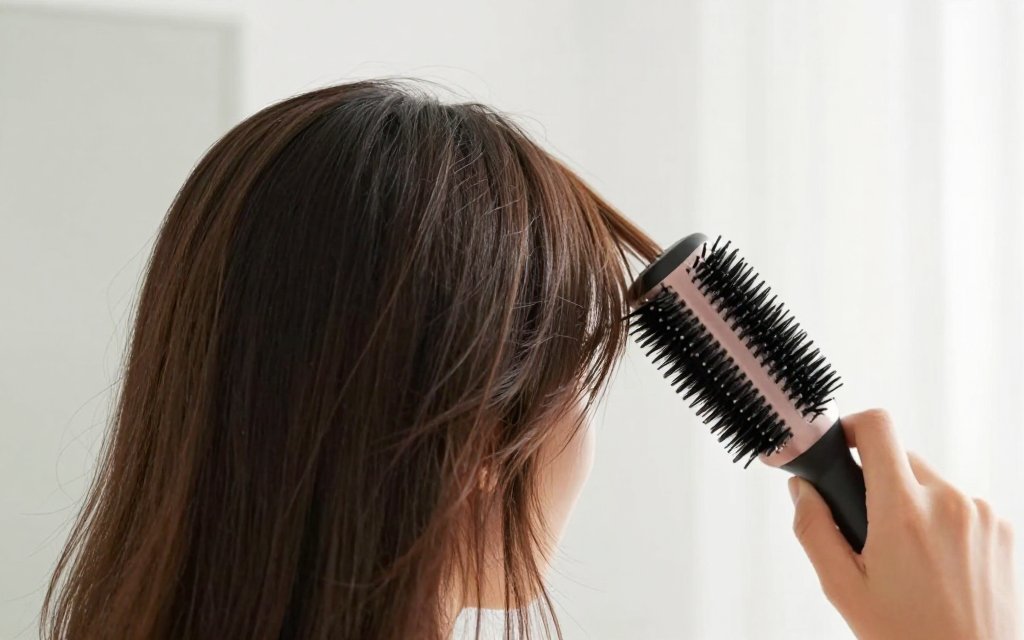
The fastest routine takes about two to three minutes a side, so five minutes total on a normal morning. Start on damp hair with a heat protectant, then reach for a round brush for curtain bangs and curve the ends away from your face while you blow dry. Let the shape cool for a few seconds before you touch it, because that is when it actually sets.
Do you cut a curtain fringe wet or dry?
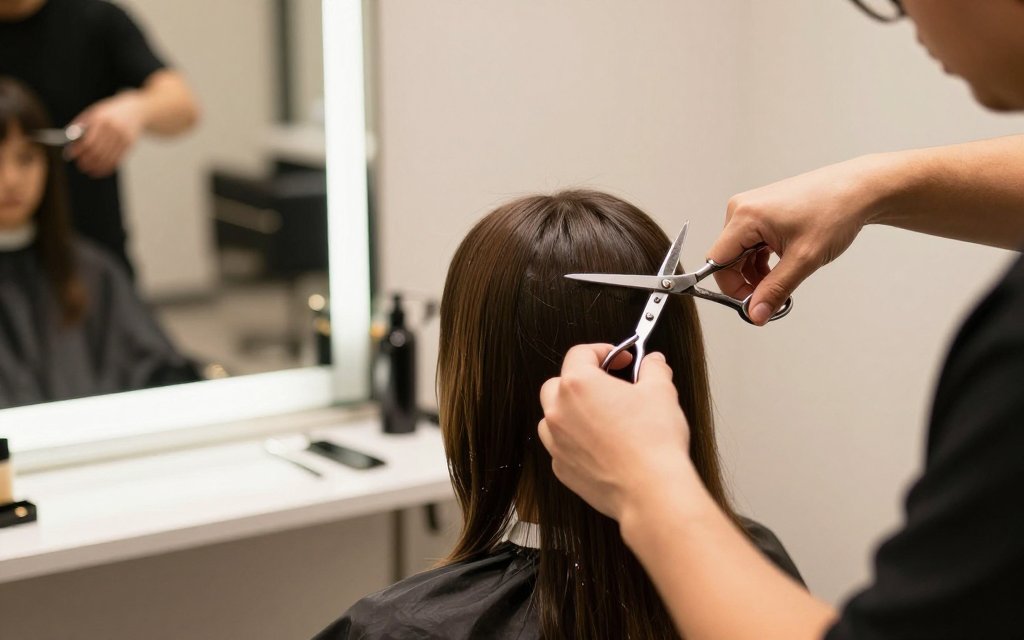
Most stylists cut it dry and styled, not soaking wet. Wet hair stretches and springs back shorter once it dries, which is how people end up with bangs that are too short. Cutting dry lets them see exactly where each piece falls against your brows and cheekbones.
Which face shapes these bangs actually flatter
Round faces get the most obvious payoff. Longer curtain bangs for round face shapes start near the cheekbone and fall past it, which draws a vertical line and slims full cheeks the way our round face hairstyle guide explains. If you are unsure what shape you have, our face shape guide walks you through measuring it at home.
Square faces do best with a slightly shorter center that feathers out and softens a strong jaw. Oval faces are the easy ones, since almost any length works. Heart shaped faces look balanced when the pieces start just below the brow and sweep outward to add a little width lower down.
What the fringe costs to keep up
Here is where the money math gets interesting. The first cut runs about 60 to 150 dollars for women depending on the salon, and a standalone bang trim is usually 15 to 50 dollars. Because the shortest pieces grow fastest, plan on a shape up every four to six weeks if you want them looking sharp.
You can cut that bill down fast. One writer tracked her spending and saved about 480 dollars in a year by trimming her own fringe at home with a 35 dollar pair of shears, versus roughly 433 dollars in salon visits. These bangs forgive a home trim better than most, because the tapered shape hides a slightly uneven line.
| Upkeep | Salon | At home |
|---|---|---|
| First cut | $60 to $150 | $0 kit |
| Bang trim | $15 to $50 | $35 shears |
| Trim cycle | 4 to 6 weeks | 6 to 8 weeks |
| Yearly cost | About $433 | Saves $480 |
A blunt fringe locks you into a salon trim every three to four weeks. Curtain layers stretch that to six, and a 35 dollar pair of shears can replace most visits entirely.
The look on long, short, and curly hair
On long hair, a long curtain fringe frames your eyes while the rest of your length stays untouched, which is why it pairs so well with the grown out layers in our long bob guide. The bangs give you a fresh look without sacrificing the length you have spent months growing.
Short hair takes the shape too, though the pieces sit higher and blend into a bob or a shag. Curly and coily textures wear a curtain fringe hairstyle beautifully once it is cut to your curl pattern, since the natural bend does the framing for you. British stylists often call the softer version curtain fringe bangs, but it is the same idea with a wispier, less structured edge.
See the style on your own face first
Before you commit to scissors, it helps to see the shape on your actual face, not a stranger's. The Fravyn app lets you preview curtain fringe styles on your own photo, so you can compare a longer center part against a shorter feathered one in seconds. It is the cheapest way to avoid a cut you regret, and it takes about a minute.
Questions people ask before they commit
How often should you trim a curtain fringe?
Plan on a shape up every four to six weeks, though six to eight is fine if you like them longer. A standalone trim runs about 15 to 50 dollars, and some salons include it free if you get your main cut there. Watch your reflection, not the calendar, since a quarter inch of growth changes how the pieces sit.
Are these bangs high maintenance day to day?
Less than you would think. Most mornings need about five minutes with a round brush and a shot of dry shampoo between washes, since the fringe touches your forehead and gets oily first. If you skip styling entirely they will hang flat, so they are low effort rather than no effort.
Do these bangs suit fine or thin hair?
Yes, and they often beat a blunt fringe for it. Light, feathered pieces add movement around your face without exposing how thin the hair is, the way a heavy straight fringe can. Ask for a soft edge and keep the pieces on the longer side so they do not look sparse.
Ready to see how a curtain fringe looks on you? Try Fravyn and preview 50 plus hairstyles and 29 plus colors on your own photo in seconds, then walk into the salon knowing exactly what you want. Get the app here: iOS.
Try a New Hairstyle Today
Preview 50+ hairstyles and 29+ colors on your own photo with Fravyn.