Blonde balayage or brunette balayage depends on your base
Blonde balayage or brunette balayage is really a question of your base color and undertone, not just the shade you like. Here is how colorists match painted color to your hair, what it costs, and how to keep it fresh between salon visits.
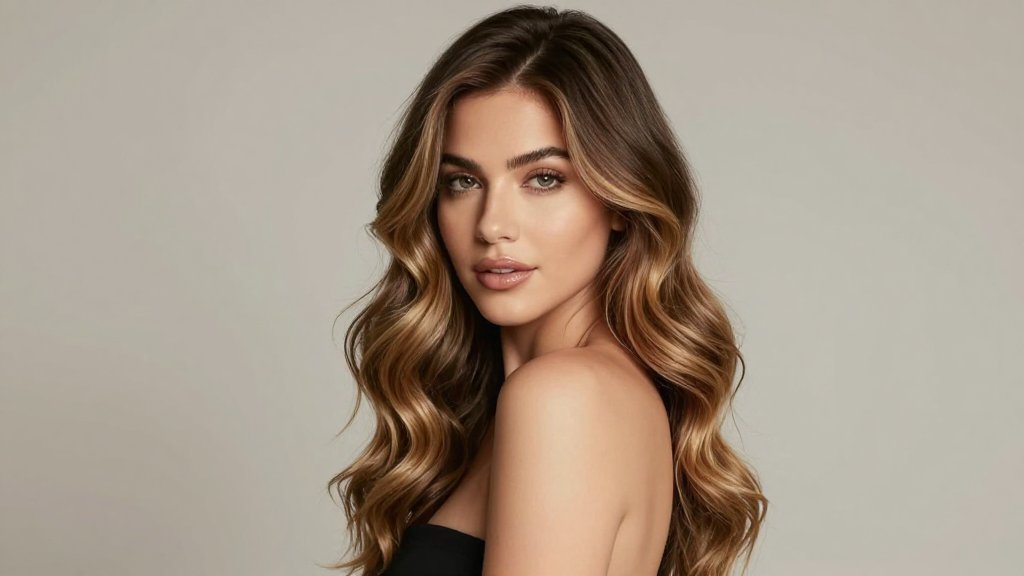
Blonde balayage and brunette balayage can start in the same salon chair and end up looking nothing alike, because the shade that flatters you is set by your base color long before any lightener touches your hair. Ask for one and you can still walk out with the other. Getting that call right is the gap between color that grows out softly and color you fight every few weeks.
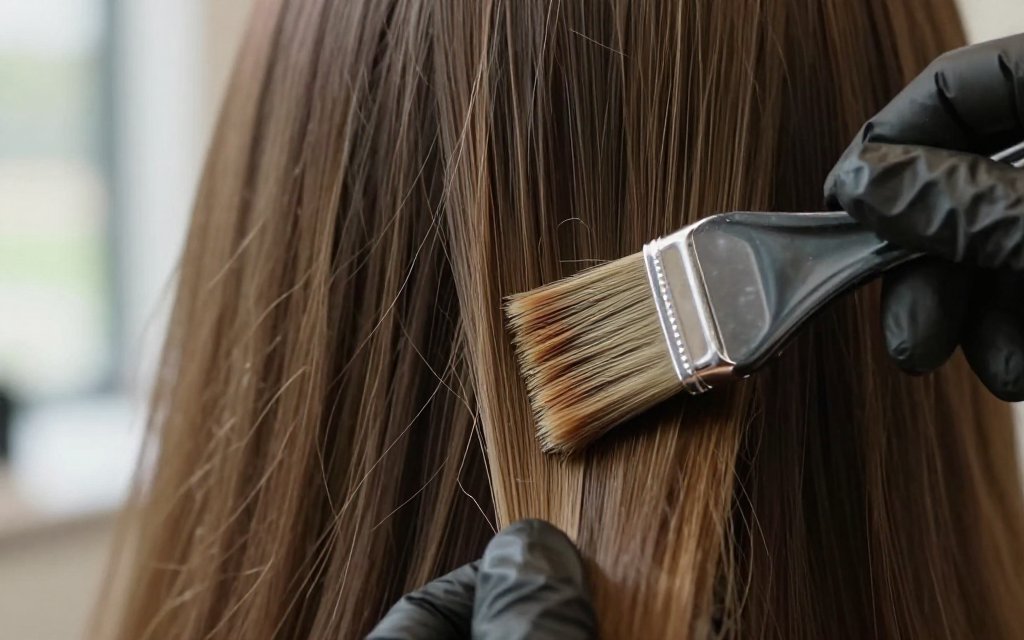
The method itself is easy to picture. A colorist paints lightener onto the surface of your hair by hand, freehand, so the brightest pieces land where sunlight would naturally fall. What changes the result is the canvas underneath. A dark base needs more lift to reach a soft caramel, and pushing too hard too fast is how balayage turns brassy.
What is balayage, and how is it different from highlights
Balayage is a freehand painting method. Instead of wrapping woven sections in foil, the stylist sweeps color on by hand, which is what the French word means. Traditional highlights use the foil method, where sections get saturated from root to tip and sealed in foil for a stronger, more even lift.
That one difference drives almost everything people notice later. Foil highlights create defined ribbons and an obvious regrowth line, so a foil client is often back every 4 to 6 weeks. Balayage leaves a soft gradient with no hard root line, which stretches touch ups to every 12 to 16 weeks.
Painted balayage highlights sit mostly on the surface, so they catch the light without drawing a sharp line. When someone says they asked for balayage and got highlights, a visible band of regrowth a month later is usually the giveaway.
The quickest tell is the roots. Foil highlights show a sharp line of regrowth within a month, while painted balayage grows out with no visible line at all.
Blonde balayage suits cool undertones, caramel suits warm
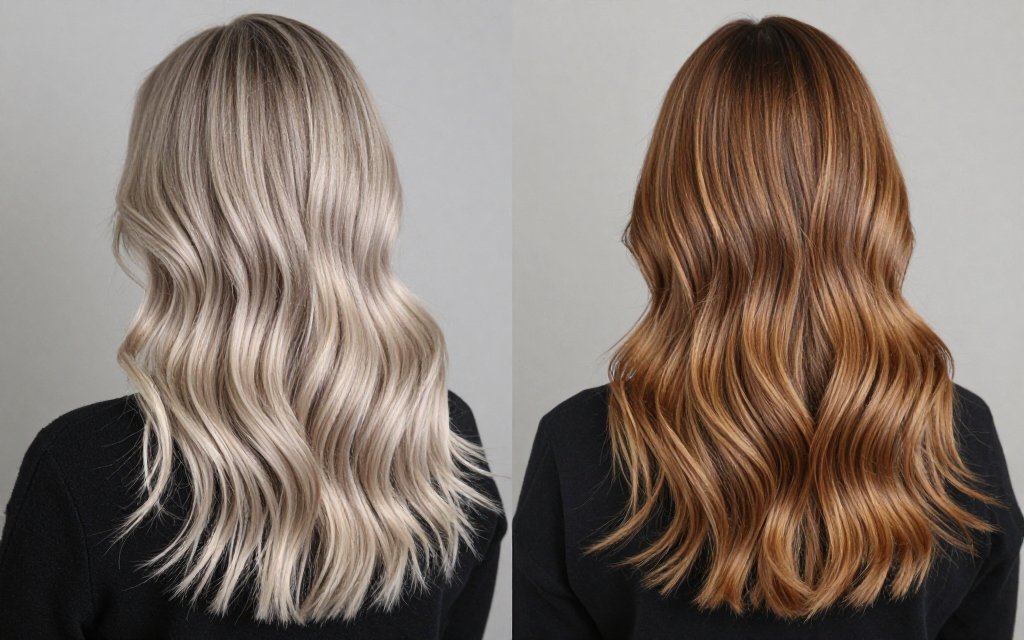
Here is where your base color and your skin meet. Blonde balayage looks best when the tone matches your undertone, not only your natural color. Cool skin, the kind with blue or pink wrists on the vein test, tends to suit ash blonde, beige blonde, and platinum. Warm skin, with greenish wrists, glows next to honey, golden blonde, and caramel balayage.
Caramel balayage is the safe bridge for a lot of warm and neutral complexions, which is why colorists reach for it so often. Golden and honey tones also fade more softly over time. Cooler shades like icy beige and ash look crisp on day one but need more upkeep to stay that way, something the undertone shade guides spell out in detail.
Try the vein test in daylight. Blue or pink veins lean cool, so reach for ash and beige, while green veins lean warm, so honey and caramel will glow.
Because a shade that flatters your friend can fight your undertone, it helps to see it on your own face first. You can preview blonde, caramel, and brunette balayage on your own photo before you book, then browse more looks with the try on at aihairfilter.com.
Brunette balayage and how your base sets the limit
If your base is dark brown or close to black, brunette balayage is where natural looking color lives, at least at first. Espresso, chestnut, cinnamon, caramel, and mocha blend into a dark base without shouting for bleach. Balayage for brunettes usually climbs one to two shades per visit, so a jump from near black to bright blonde is a multi session project, not a single afternoon.
Medium brown hair has more room to play. Soft caramel, bronde, golden beige, and light mocha all sit beautifully on a medium base. This is where balayage hair color feels most flexible, since you can lean warmer or cooler without a dramatic lift. If you want a cooler result, an ashy brown balayage keeps things soft without going brassy.
Going darker or adding a lowlight
Not every brunette wants to go lighter. Adding lowlights, which are darker painted pieces, brings depth back to over highlighted hair and makes grown out color read richer. A colorist can even mix balayage and highlights in one appointment, painting some pieces and foiling others, when you want both brightness and dimension.
Partial balayage versus a full head
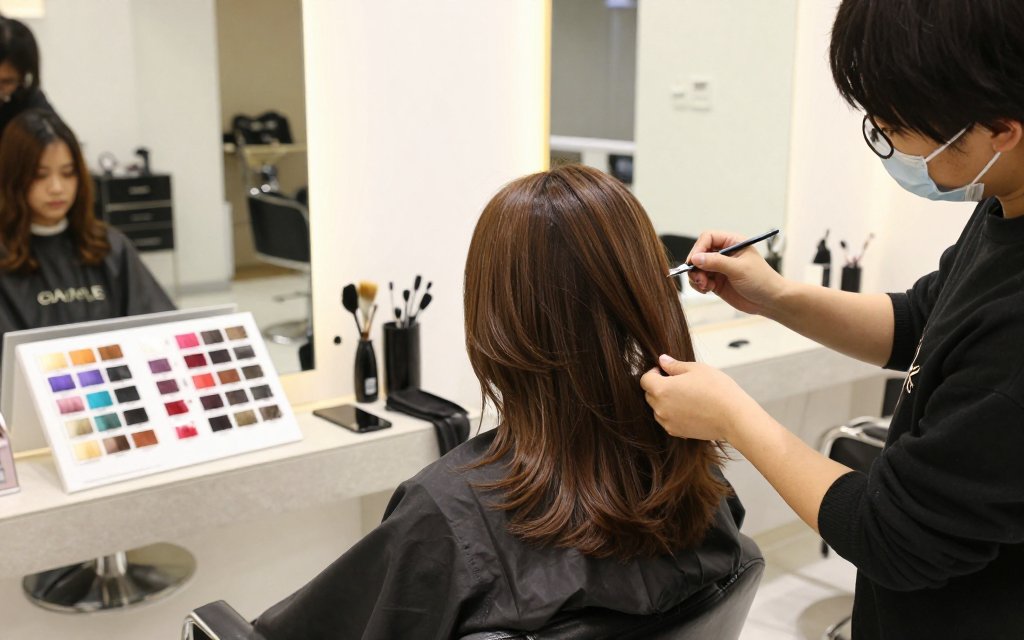
You do not always need a full head. Partial balayage focuses on the top layers and the pieces around your face, which is plenty when you mostly want brightness where it shows. A full balayage wraps the whole head, including the back and underneath, for all over dimension.
The choice is partly money and partly how you wear your hair. If you always wear it down and parted the same way, partial balayage gives you most of the payoff for less. Face framing pieces pay off even more when you match them to your face shape. If you wear updos or move your part around, a full head keeps color consistent.
How much does balayage cost
Balayage runs about $150 to $400 or more for a first session, and hair length is the biggest lever, since more length means more sections and more product. At some salons a partial and a full balayage both start around $250. In coastal markets like Manhattan and San Francisco, master colorists routinely charge $600 to $800 for a full session.
The balayage cost that really matters is the yearly one, because upkeep is where this color earns its keep. Three to four visits a year lands most people around $600 to $1,600, while highlights maintained every 6 to 8 weeks can climb to $900 to $2,000, according to salon pricing breakdowns. Fewer chairs a year is the whole point of a lived in look.
| Service | Touch up | Yearly cost |
|---|---|---|
| Balayage | 12 to 16 weeks | $600 to $1,600 |
| Full highlights | 6 to 8 weeks | $900 to $2,000 |
| Gloss refresh | 6 to 8 weeks | $50 to $100 |
How to keep balayage hair looking fresh
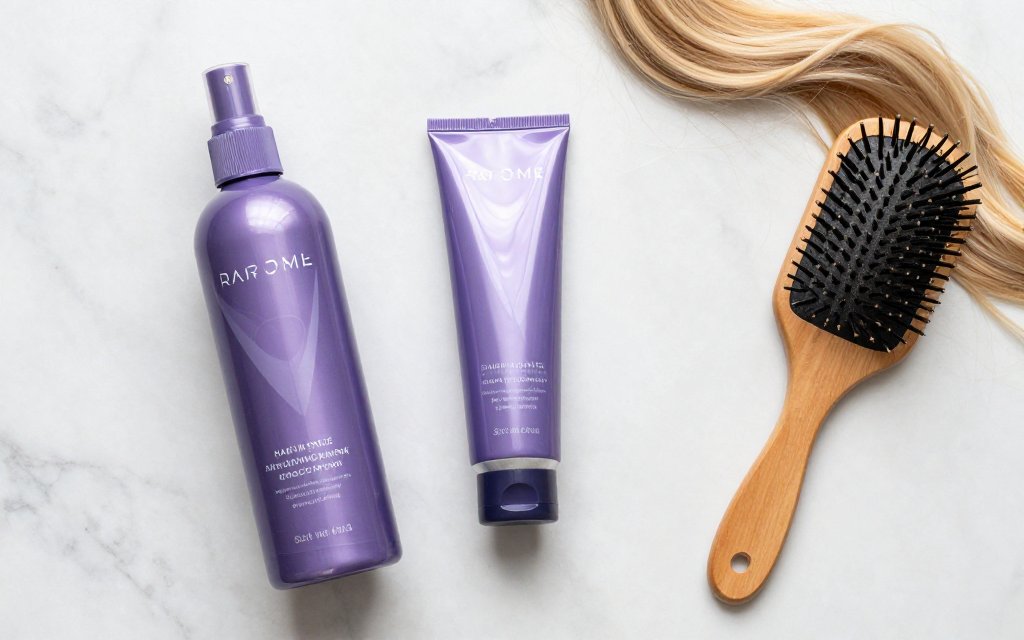
The color you leave with is not the color you keep unless you tone it. A gloss or glaze every 6 to 8 weeks, often $50 to $100, refreshes tone and knocks back brass between full appointments. At home, a purple shampoo once or twice a week keeps blonde and beige tones from turning yellow.
Wash less often and cooler. Hot water and daily shampoo strip toner and speed up fading. Sulfate free products and a weekly deep conditioner keep painted ends from drying out, which is the other way balayage starts to look tired before its time.
A gloss every couple of months costs a fraction of a full color and buys back the shine and tone that everyday washing quietly strips away.
Balayage questions people actually ask
What is balayage compared to regular highlights?
Balayage is color painted on freehand so it fades without a hard line, while regular highlights are woven into foil and lift from root to tip. That is the core of what is balayage as a technique. Highlights give more uniform brightness, balayage gives a softer, sun grown look.
How do I know if I got balayage or highlights?
Look at your roots after a few weeks. If you see a sharp line of regrowth near the scalp, you likely got foil highlights. If the color still melts smoothly from your roots with no obvious band, that is balayage doing its job.
Does blonde balayage cost more than brunette balayage?
Not by shade alone. Price mostly tracks hair length and chair time, so a long head of brunette balayage can cost more than a short blonde one. Going very light on a dark base does add sessions, which is where a blonde balayage bill can creep up.
How often does balayage need a touch up?
Most people stretch balayage to every 12 to 16 weeks, roughly three or four visits a year. A gloss in between keeps the tone honest. Wash cooler and use a purple shampoo and you can often push that window even longer.
Ready to see whether blonde balayage or a warm caramel actually suits your face? Try Fravyn and preview 50 plus styles and shades on your own photo in seconds, before you spend a cent in the salon chair. Get the app here: iOS.
Try a New Hairstyle Today
Preview 50+ hairstyles and 29+ colors on your own photo with Fravyn.