A pixie cut makes fine hair look fuller and thicker
Fine hair looks thin because length drags it flat. A short pixie removes the weight so roots lift and hair reads fuller. Here's how to pick one by face shape, style it in about five minutes, and grow it out without the awkward stage.
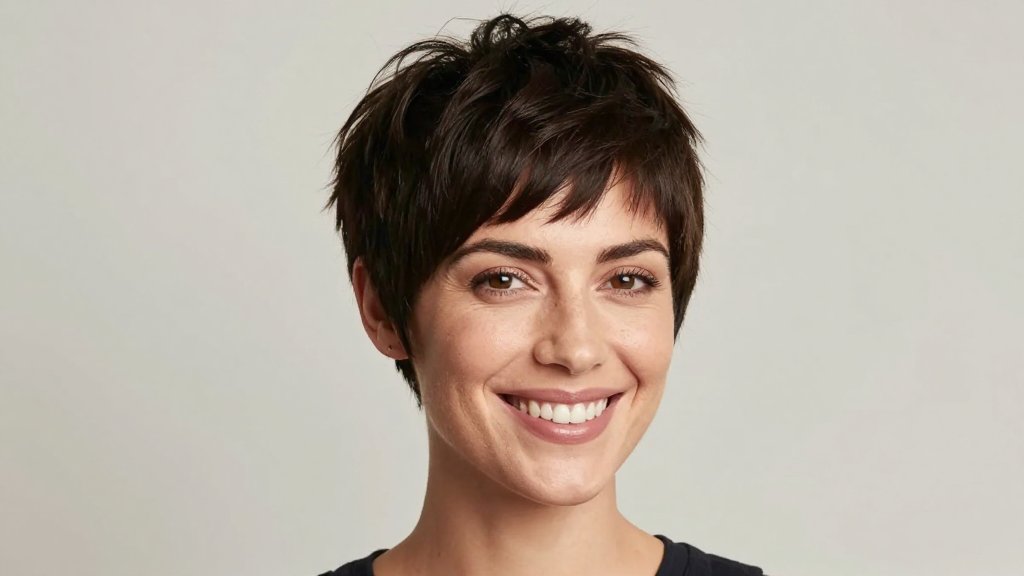
Fine hair doesn't look thin because there's too little of it. It looks thin because length drags it flat. Cut most of that length off and the same hair stands up, moves, and reads as fuller. That's the quiet trick behind a good pixie cut, and it's why stylists keep steering fine or thinning hair toward one.
A pixie is a short crop, usually 2 to 4 inches on top and shorter at the sides and back. On fine hair the win is physics: short strands carry less weight, so they hold volume at the root instead of collapsing. You get body without a fistful of product, and most mornings the styling takes about five minutes.
Why a pixie cut makes fine hair look fuller
Weight is the enemy of fine hair. A long, one length shape pulls the strands down and puts every gap on display. A short crop removes that weight, so the hair springs up at the roots and the gaps close. A pixie cut for fine hair works because the shape hands back the body that length was quietly stealing. John Frieda's stylists make the same point, that short lengths stop fine hair from being dragged down by its own length. Their low maintenance guide lays out the reasoning.
Texture does the rest. Ask for piece-y, textured layers rather than a smooth, close cropped shape, and keep the ends blunt instead of razored. Blunt ends look thicker because each strand ends at full width. Razoring thins the tips, which is the last thing fine hair needs.
Fine hair looks fullest when it's short, layered for texture, and cut with blunt ends rather than razored points.
Ask for texture, not a smooth crop
The single most useful phrase to bring to your stylist is textured layers. It's the difference between hair that sits like a helmet and hair that looks lived in and thick. On fine hair, a bit of controlled mess always reads as more.
The best pixie for your face shape
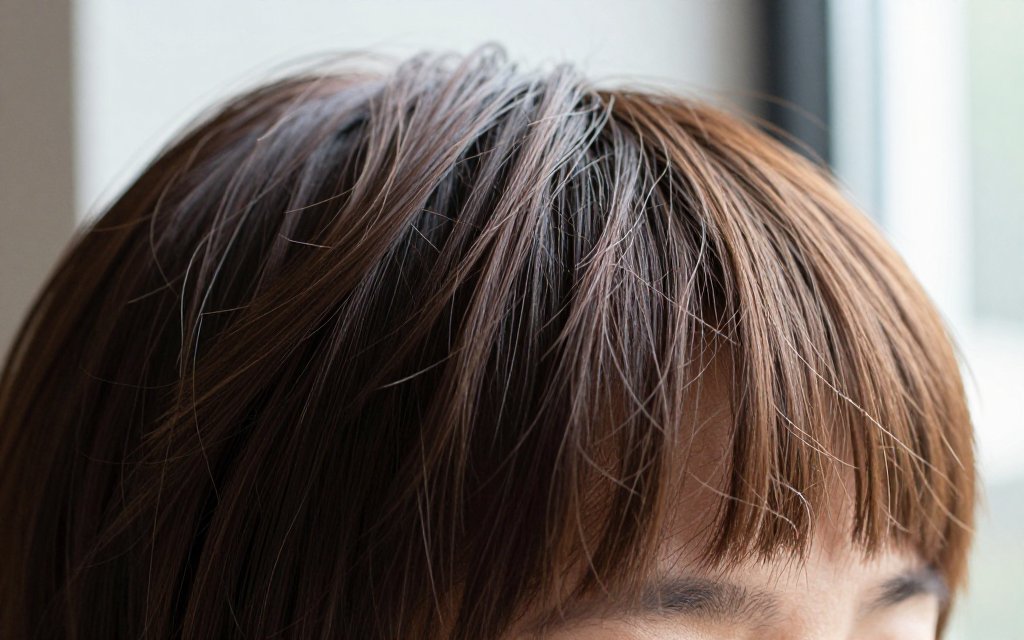
Not every face wants the same crop. Oval faces carry almost any version. A pixie cut for round face shapes keeps height at the crown and shorter sides, so the eye travels up and the face reads longer. Heart shaped faces balance a wider forehead with a little volume near the jaw. If you're unsure what you're working with, this tape measure face shape guide sorts it in a minute, and the team at MyNewHaircuts breaks it down style by style.
Round faces need height on top
For a round face, flat roots are the trap. Push the crown up and keep the sides close, and the crop lengthens your face instead of widening it. If you'd rather keep length, the wolf cut chases the same height with layers.
Short pixie cut or long pixie cut
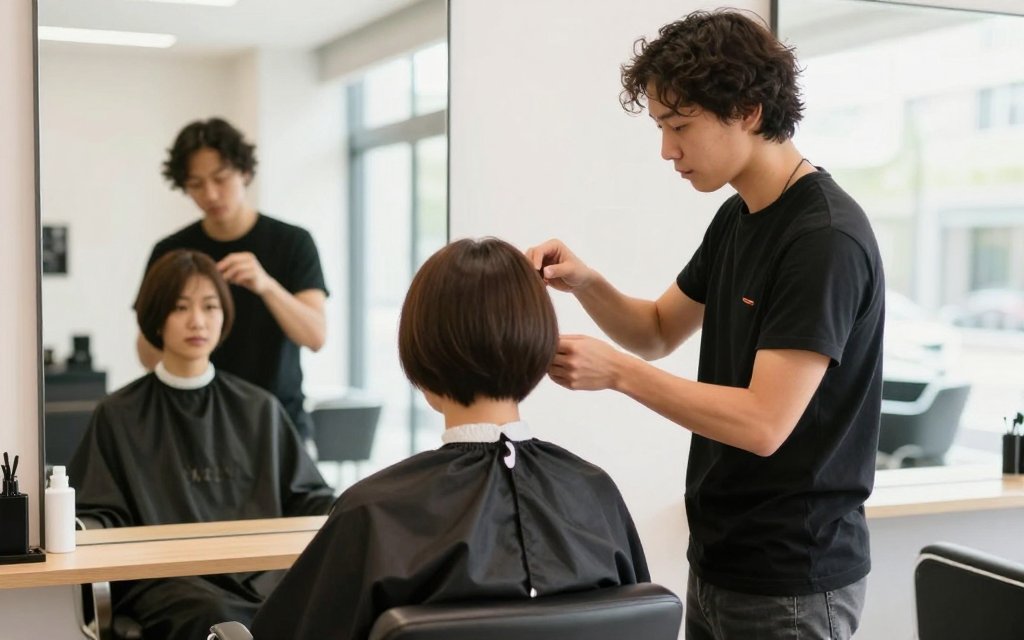
The length you pick decides your upkeep. The short version sits close at the sides and wants a trim every 4 to 6 weeks to stay sharp. The longer one, sometimes grown into a bixie haircut, leaves more length on top and stretches trims to 6 to 8 weeks. Neither is wrong; they're just different commitments.
A bixie is the halfway point between a bob and a pixie, and it's the friendliest grow out there is. As it gets longer it drifts toward a French bob instead of stalling in an awkward stage.
| Pixie type | Trim every | Salon visits |
|---|---|---|
| Short pixie | 4 to 6 weeks | 9 to 13 a year |
| Long pixie | 6 to 8 weeks | 7 to 9 a year |
| Bixie | 6 to 8 weeks | 7 to 9 a year |
The bixie is the easy grow out
If you love the idea but fear the grow out, start as a bixie. You keep the light, textured feel while leaving enough length that reversing course is painless.
How to style a pixie cut at home
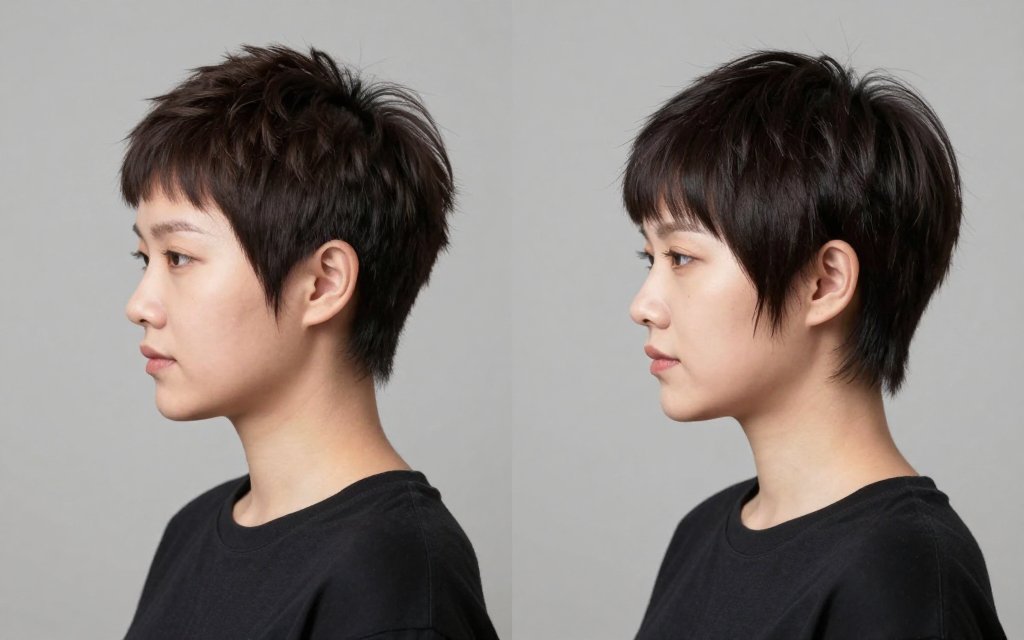
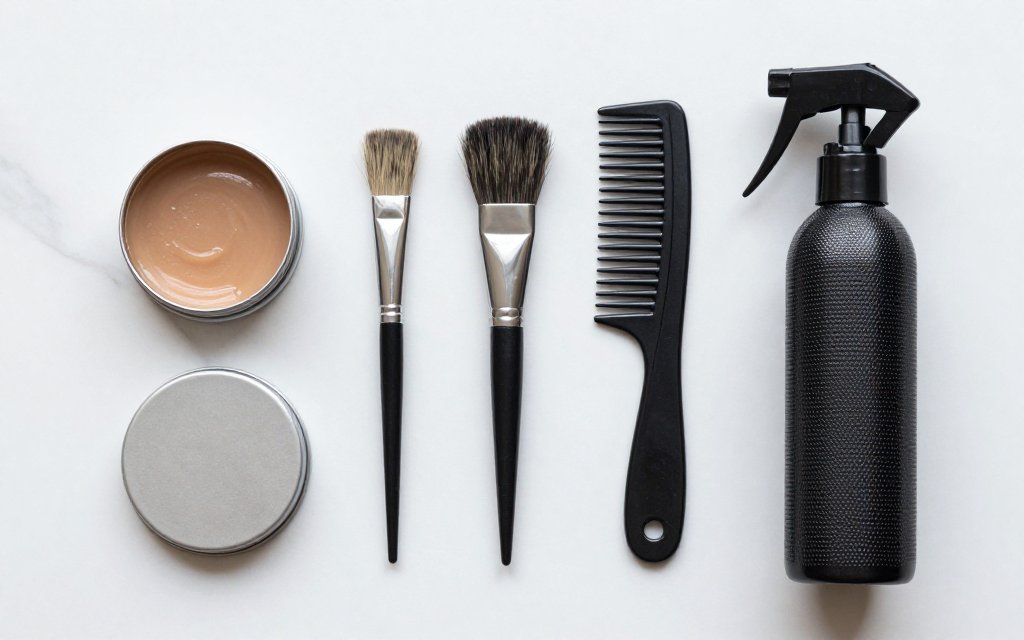
Styling a pixie is quick once you learn the moves. Work a pea sized amount of matte paste or a light mousse through damp roots, then rough dry with your fingers for lift. Bring a small round brush only where you want smoothness, like the fringe.
For a night out, add a touch more paste and push the top up and back. The whole routine takes about five minutes, which is the real draw of short haircut ideas for women who are done with long morning routines.
What a pixie costs you in upkeep
Here's the honest trade. A pixie asks for the salon more often than long hair. A short crop needs a shape up every 4 to 6 weeks, and even a longer one wants attention every 6 to 8 weeks, against every 8 to 12 weeks for a long layered cut. That's roughly 9 to 13 short trims a year versus 4 to 6 longer appointments.
You buy that time back at home. Fine hair that used to demand heat, product, and patience now needs a dab of paste and a few minutes. Less heat also means less breakage, which counts when fine strands snap easily. More chairs a year, fewer minutes a morning.
A pixie swaps a longer salon calendar for shorter mornings, about 9 to 13 quick trims a year instead of a daily fight with fine hair.
Pixie ideas for women over 60
Fine hair tends to get finer with age, so the crop earns its keep later in life. Softer, slightly longer pixie haircuts for women over 60 keep coverage at the crown while texture hides thinning. Gray and silver read beautifully in a short shape, because the cut, not the color, is doing the work.
These are some of the most flattering short haircut ideas for women who want low fuss and high polish. If you're not certain a crop suits you, that's exactly what a virtual try on is for.
Common questions about the pixie
Does a pixie suit fine hair?
Yes, and it's one of the best matches there is. Fine hair looks fuller when it's short because it isn't weighed down, especially with textured layers and blunt ends that hold volume at the root.
How often should you trim a pixie?
Every 4 to 6 weeks for a short shape, and 6 to 8 weeks for a longer one. Push it much past that and the edges soften and the whole thing starts to look grown out rather than intentional.
Can you grow out a pixie without it looking messy?
You can. Let it drift into a bixie, then a bob, and ask your stylist to shape the sides as it grows. Planned that way, there's no ugly middle stage to suffer through.
What face shape is best for a pixie?
Oval faces suit almost any version. Round faces want height on top and short sides, while heart shaped faces like a soft fringe and a bit of volume near the jaw.
Curious whether a crop flatters your face before you commit? You can try it on first. Fravyn previews a pixie, a bixie, and 50 plus other styles on your own photo in seconds, so the big chop is a choice, not a gamble. Get the app here: iOS.
Try a New Hairstyle Today
Preview 50+ hairstyles and 29+ colors on your own photo with Fravyn.