A Low Taper Fade Suits More Face Shapes Than a Burst Fade
A low taper fade grows out cleaner and suits more face shapes than a burst fade. Here is how the main fade types compare, what each costs to keep up in 2026, and how to ask your barber for the right one.
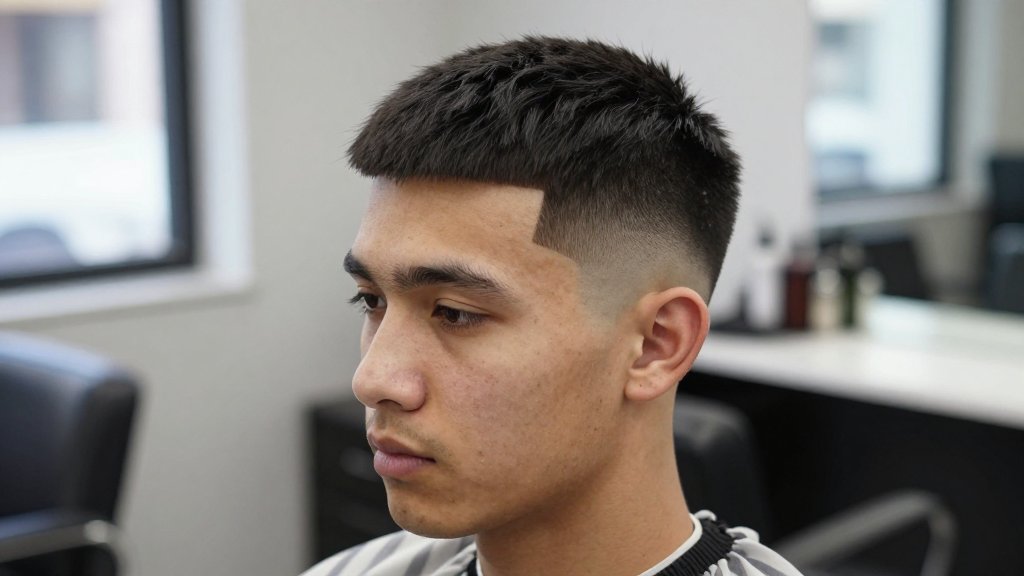
Walk into almost any barbershop this year and the low taper fade is the cut pinned on the wall. It's the photo guys pull up on their phones and the request barbers hear more than any other. The reason it keeps winning is simple. It flatters more men than the bolder cuts sitting right next to it.
A burst fade looks sharp in the right hands, curving in a neat semicircle around the ear. But it pushes the eye up and out, which suits some heads and fights others. A low taper fade sits low and quiet, blending just above the ears and down the neckline, so it works on rounder faces, longer faces, and most shapes in between.
Why the low taper fade keeps winning
Part of it is upkeep. Because the blend starts low, the cut grows out softly instead of leaving a hard line across your head. You can stretch three to four weeks between visits and still look tidy. The other part is range. The same fade reads clean under a suit and relaxed with a hoodie.
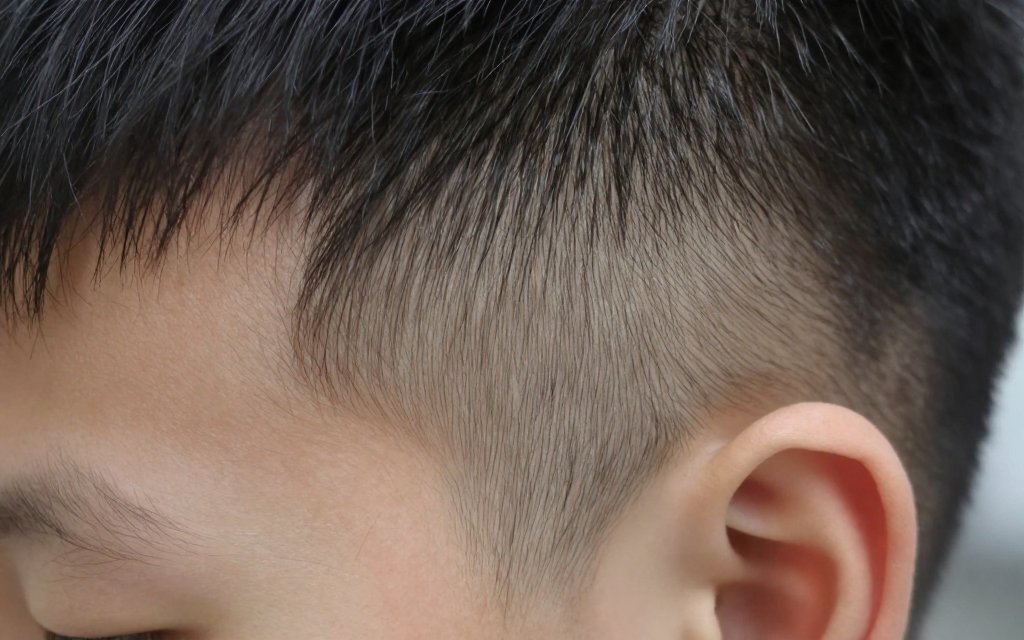
Barbers reach for this cut more than any other because it forgives both a bad hair day and a busy month.
Taper fade or plain fade, the real difference
People use the words as if they mean the same thing. They don't. A taper is a gradual reduction in length, softest near the sideburns and neck. A fade goes shorter, often down to the skin, with the hair seeming to vanish.
A fade is about where the hair disappears. A taper is about how gently it gets there.
That's why the combination cut blends both ideas. The sides drop in length like a taper, then melt toward the skin like a fade. On a low fade like this, that melt happens near the ears rather than up by the temples, which is what keeps it subtle.
The main fade types, ranked by drama
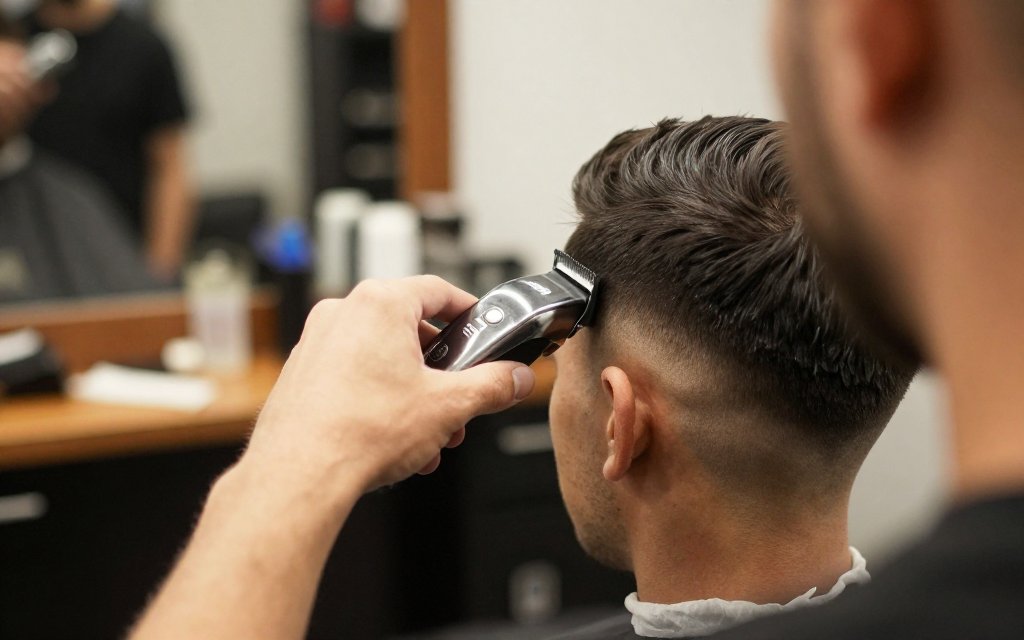
Fades are really one idea set at different heights. The higher the fade starts, the more scalp it shows and the bolder it looks. For a full visual breakdown, this barber's rundown of fade types lays out where each one begins.
Low, mid, and high fades
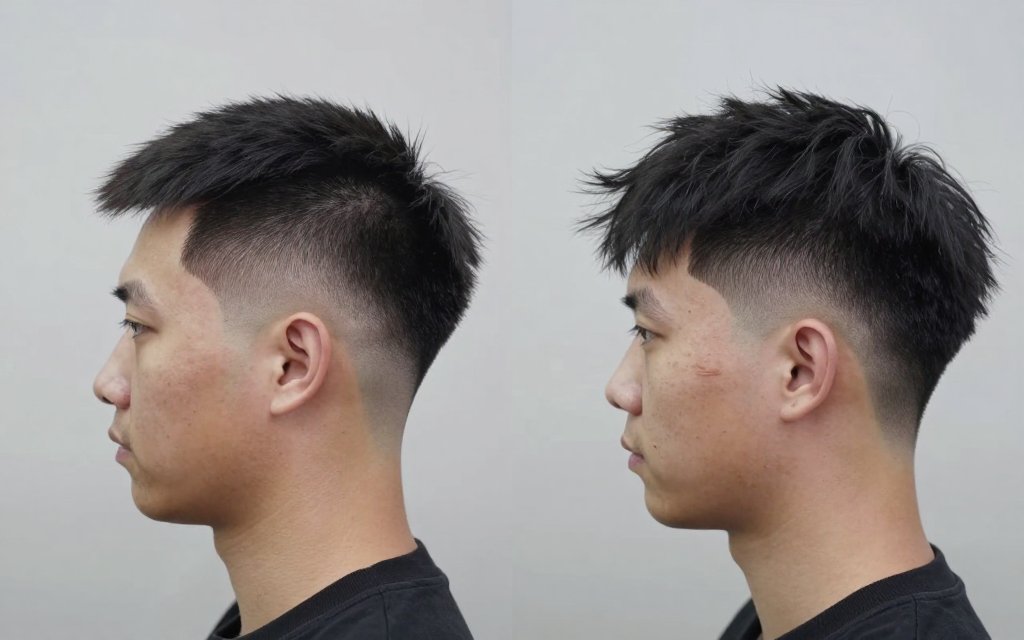
A low fade starts just above the ears. A mid taper fade begins around brow level and gives a bit more contrast. A high taper climbs near the temples and shows the most skin, which is why a high fade needs the most upkeep.
Burst, drop, and temple fades
A burst fade curves around the ear and leaves length in the back, popular with mullets and mohawks. A drop fade dips behind the ear to follow the head's shape. A temple fade touches only the temples and sideburns. If you like volume on top, a blowout taper keeps that height while cleaning up the sides, and a plain low fade haircut stays the safest bet.
| Fade type | Starts at | Upkeep |
|---|---|---|
| Low fade | Above the ears | 3 to 4 weeks |
| Mid fade | Brow level | 2 to 3 weeks |
| High fade | Near the temples | 1 to 2 weeks |
| Burst fade | Around the ear | 2 to 3 weeks |
| Drop fade | Behind the ear | 2 to 3 weeks |
| Temple fade | Temples only | 2 weeks |
Which fade fits your face shape
Height is the lever here. A fade that starts higher stretches a round face taller, while a fade that stays low keeps a long face from looking longer. Your barber is really balancing your proportions.
Round, square, and long faces
A round face gains structure from a mid or high fade that adds height up top. A square jaw softens under a low taper that rounds the corners, and our square face haircut guide goes deeper on that. A long face looks best with the fade kept low. If you're unsure of your shape, this face shape guide walks through the tests.
Oval and heart-shaped faces
An oval face is the flexible one and takes nearly any height, so pick by lifestyle instead. A heart-shaped face, wider at the forehead, calms down with a low or mid fade that avoids piling weight up high.
What a fresh fade really costs
Here's the part the reference photos skip. A taper runs about $35 to $45 in a standard metro shop, and a skin fade lands at $40 to $50, according to a 2026 barber pricing guide. In New York or Los Angeles the same cut climbs to $50 or more.
| Market | Taper fade | Skin fade |
|---|---|---|
| Standard metro | $35 to $45 | $40 to $50 |
| New York or LA | $50 to $65 | $55 to $70 |
| Smaller towns | $25 to $40 | $30 to $45 |
The cheapest fade is the one you can stretch to four weeks without it looking grown out.
Do the math on frequency, not the sticker. A skin fade you refresh every two weeks costs far more per month than a low fade you touch up every four. Most guys who keep a fade sharp spend somewhere between $50 and $100 a month once tips are counted.
How to ask your barber for the right fade
Barbers can read a photo faster than a paragraph, but a few words help. Name the height, the length on top, and how sharp you want the blend. Then let them adjust for your hair's growth pattern.
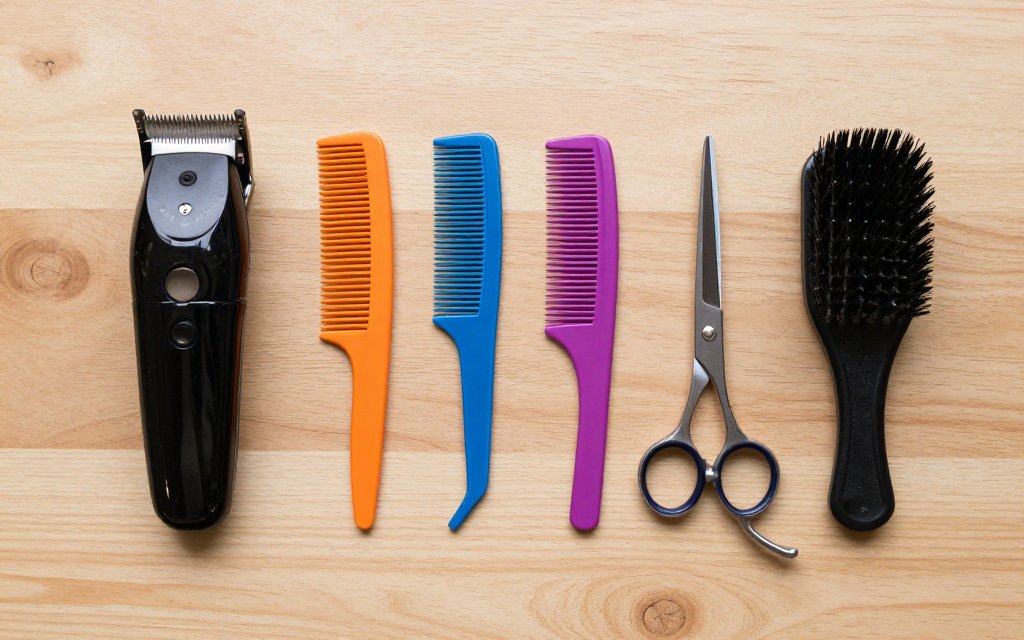
You can also stretch the time between chairs. A little care at home keeps the line honest for an extra week, which is real money saved over a year.
Book a skin or high fade every two weeks. A low, mid, or taper holds for three to four.
Questions men ask before the chair
How often should I get a low taper fade?
Most men refresh this cut every two to three weeks to keep the lines crisp, though it can hold a clean shape for three to four. If you want it looking barber-fresh at all times, aim for the shorter end.
Is a burst fade or a low fade better for thin hair?
A low fade usually wins for thinning hair because it keeps more coverage on the sides and shows less scalp. A burst fade exposes the area around the ear, which can highlight sparse spots rather than hide them.
What is the difference between a taper and a fade?
A taper gradually shortens the hair near your neck and sideburns while leaving some length. A fade blends much shorter, often to bare skin. Put the two together and you get the clean, not severe look everyone wants.
Ready to see how a low taper or a burst fade looks before you sit in the chair? Fravyn lets you preview 50+ styles on your own photo in seconds, and you can start at aihairfilter.com. Get the app here: iOS.
Try a New Hairstyle Today
Preview 50+ hairstyles and 29+ colors on your own photo with Fravyn.